
Blog a Day Challenge: May Report

What I Learned in May

In March and April I concentrated on trying to keep my total word count up by writing a number of long posts (1,000 words or more). However, I changed my focus in May: I tried to go short by focusing on topics that I could develop adequately in the 500–750 word range. I still consider that to be the sweet spot for me in blogging. As a result, my total word count was down almost 5,000 words from April, but my average post length was 573 words, which is in the range (albeit at the lower end) that I was aiming for.

Sometimes life interferes with writing a blog post every day. Last month I learned to keep a couple of short post ideas in the hopper to be completed on days when time is short. This means having research done and photos planned and uploaded ahead of time..

I’ve been getting better at incorporating some personal element into posts, usually how I came upon this topic or why it interests me. But I’m still short on storytelling, or building a story with a beginning, a middle, and an end. That’s something I’ll have to continue to work on.

May’s Research on Blogging

Want to Make Blog Posts More Engaging? Apply These 15 Tricks

Working from the premise that online readers scan content rather than carefully reading it, Pam Neely offers:

two primary approaches to improving reader engagement. The first is to make your content scannable. Ie, to work with readers’ existing online reading habits. Second, create content so good that at least some users will actually slow down and take the time to read it word for word.

Approach #1: Make your content scannable

  1. Use the inverted pyramid structure.
  2. Use short paragraphs.
  3. Use subheaders.
  4. Highlight keywords.
  5. Use scannable lists.
  6. Add images or video.
  7. Use short copy elements like photo captions, call outs, and tweetables.
  8. Write simply and clearly.

Approach #2: Create content so good that readers will slow down and engage with it

  1. Write a killer headline that draws people in from the start.
  2. Write for a specific audience.
  3. Show a contrary point of view.
  4. Show an unusual point of view: “Try borrowing ideas, frameworks or approaches from other industries.”
  5. Offer new information
  6. Use quizzes, polls, or other interactive tools.
  7. Ask for comments.

Neely’s first set of suggestions is straightforward. In addition to just plain writing well (suggestions 1 and 8), using structural elements such as subheads and lists is easy with WordPress. I even installed a plugin on my two self-hosted blogs that allows me to highlight tweetable content, and I’ll experiment with that next month.

But where I most need to concentrate is on her second area, creating content that readers will slow down and actually read. By the end of each month I usually have a bunch of open browser tabs featuring articles that I meant to engage with myself. Here, for example, are a couple that have been open for at least two weeks:

Both of these articles deal with topics with which I have personal experience and on which I have strong opinions, and I kept meaning to write a blog post about my reactions to each one. In the future I will undertake such posts when I come across the opportunity instead of waiting until some later time (that never seems to arrive).

Nonetheless, I couldn’t help but notice that Neely posted this article on the Scoop.it blog on May 18, 2015, and as of May 30 there were no comments. Maybe other people were, like me, too busy thinking about their own content to engage with hers.

My Statistics for May

Number of posts written: 31

Shortest post: 250

Longest post: 1,300

Total words written: 17,775 (down about 5,000 from April)

Average post length: 573 (down about 150 from April)

Distribution of posts across my three blogs:

The total of posts here may not equal the number of posts written last month because I occasionally publish the same post on more than one blog. However, I have included each post only once in my total word count.

Last month’s featured post:

What a Single Sea Gull Taught Me About Life

Three Things Thursday

I’m particularly excited about this week’s Three Things Thursday, the purpose of which is to “share three things from the previous week that made you smile or laugh or appreciate the awesome of your life.”

three-things-thursday-participant

A Walk on the Beach

This week I had the opportunity to spend a few days at Ocean Shores, a city on Washington State’s northern Pacific Coast. I love going to a place where I can watch the waves roll in. It comforts me to know that, no matter what happens anywhere else, the waves will continue to roll in, always.

1. Water on My Toes

We don’t swim in the ocean up here. The water is much too cold. But it’s not a true trip to the beach unless I get to feel the surf wash over my toes:

wave rolling in
wave rolling in

The brochure in the hotel warns that, if we do wade into the ocean, we should not let the water get above our knees. The word riptide appears in the same paragraph. But enough cold water to just wash over my toes is sublime.

2. Razor Clams

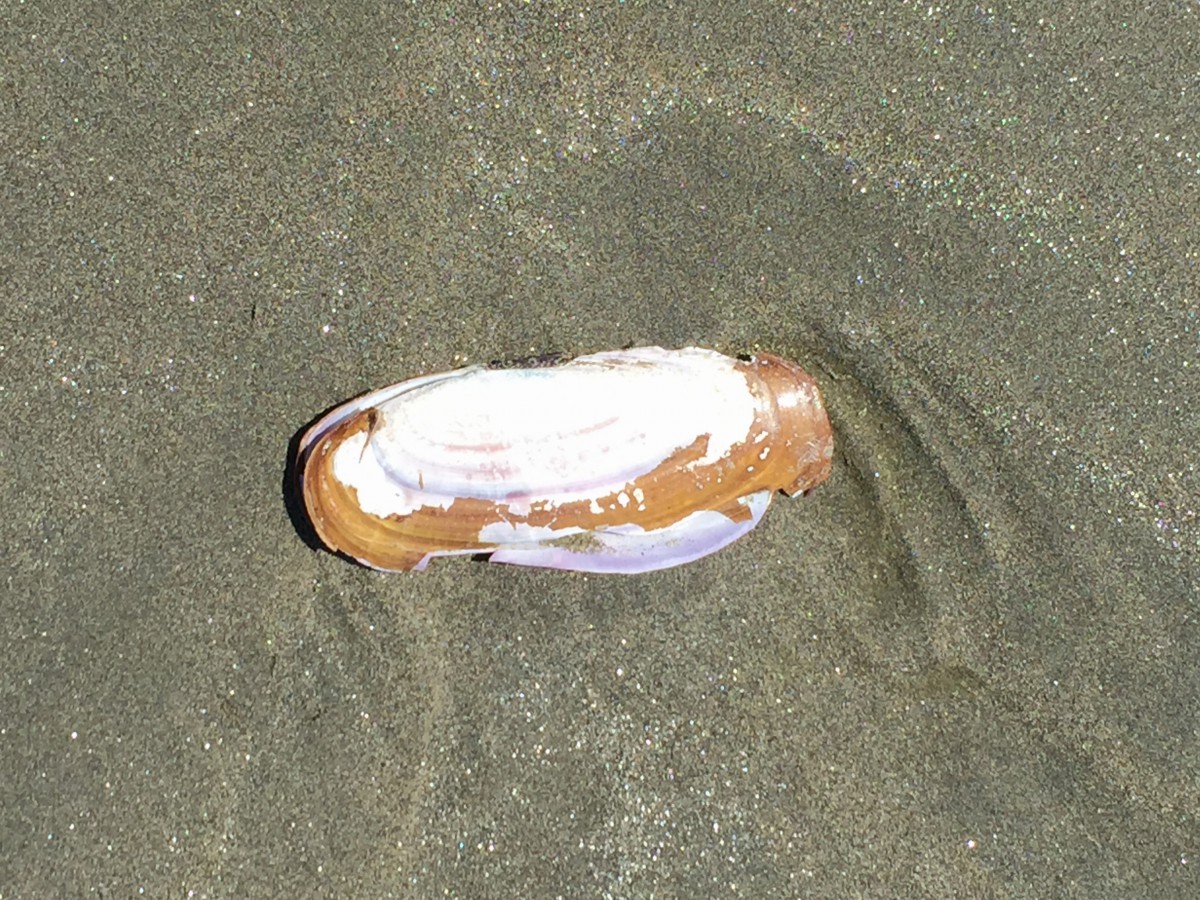
Ocean Shores calls itself the razor clam capital of the Northwest:

razor clar
razor clam

In fact, the city hosts an annual Razor Clam Festival. Razor clams are much different than the more oval clams you’re probably used to. They are longer, and fry up well. They are much chewier than the smaller clams. But, like smaller varieties of clams, they cook up into a delicious chowder. Be sure to look for New England, or Boston, clam chowder, which is white and made with cream. Don’t be fooled by Manhattan clam chowder, which is made with a tomato base and is therefore red. It’s nowhere near as good as the white kind.

3. Nature’s Cycle of Life

There’s nowhere like a beach to get in touch with the natural cycle of life. Shells—crabs, clams, sand dollars—that wash up on shore remind us that organisms live out their lives in their native habitat and then disintegrate to nourish the land. This week, for the first time, I saw a dead sea otter on the beach:

dead sea otter on beach

He had apparently washed up at high tide, because he was way above the water line when I saw him.

I saw him again the next day, and he was covered with a thin coating of mud, as if high tide had washed over him and then retreated. There were only a few flies on him, probably because he was so well coated, but eventually he, too, will dissolve back into nature.

Tacoma’s War Memorial Park

In honor of Memorial Day here in the United States, here is a look at Tacoma’s War Memorial Park.

This park is not part of Tacoma’s Metro Parks organization, and I can’t find out exactly who owns and runs it. Most of the information here comes from a presentation by a member of the Tacoma Historical Society, which organized today’s Memorial Day event at the park.

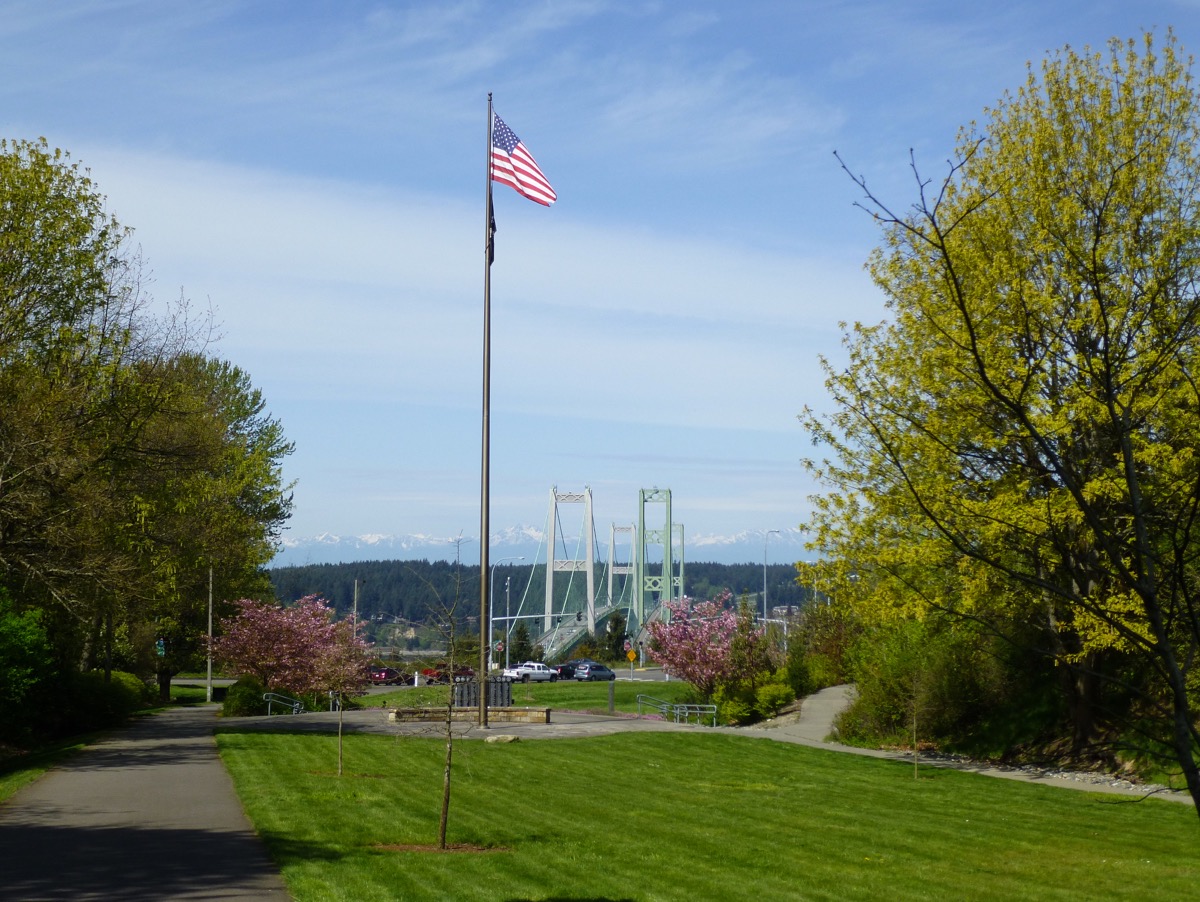
War Memorial Park, originally called Living War Memorial Park, dates from 1952, when the land was donated by Harold Woodworth. The narrow strip of land served as the staging area for the construction of the Tacoma Narrows Bridge (the bridge on the right in the photo at the top of this post), completed in 1950. That bridge was constructed to replace the famous “Galloping Gertie” bridge that collapsed on November 7, 1940, which you can read about here. When the 1950 bridge proved inadequate for traffic between Tacoma and the Kitsap Peninsula, a second bridge, the one on the left in the photo above, was built; it opened in 2007. Now the 1950 bridge carries traffic heading west on Highway 16, and the 2007 bridge carries traffic heading east. Drivers pay a toll to cross the newer bridge.

Dedication

Entrance: War Memorial Park
War Memorial Park

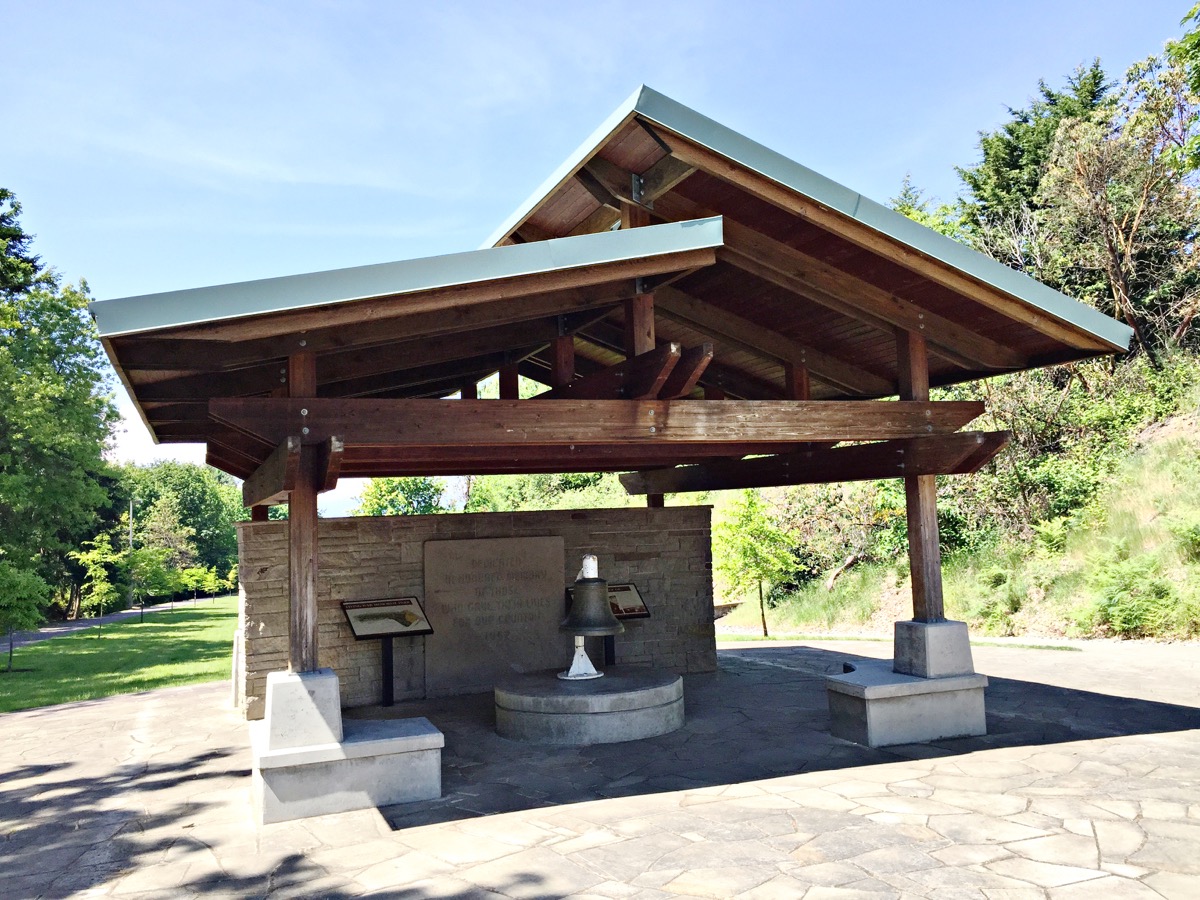
Tacoma Bell 1903The covered shelter that marks the entrance to the park houses the bell from the cruiser USS Tacoma, launched in 1903. The ship visited Tacoma in 1904, saw service in the Caribbean during WW I, and ran aground off the coast of Mexico in 1924.


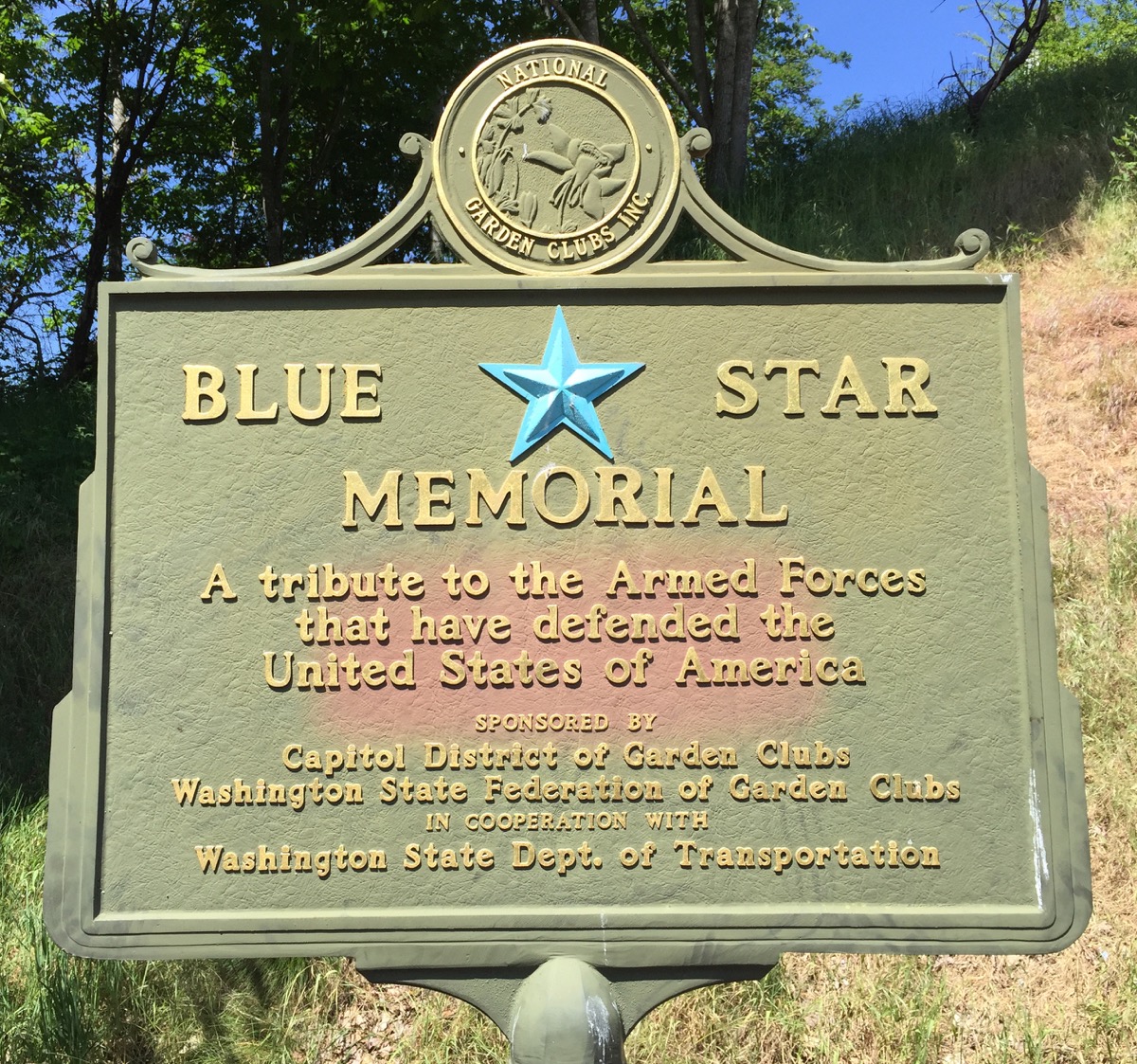
War Memorial Park includes a World War I memorial, dedicated to the memory of the 162 residents of Pierce County who died in the war, that was dedicated on Memorial Day in 2011. There is also a World War II memorial with 760 names that was built through the joint efforts of the Tacoma Historical Society and American Legion Post 2. The park is also a stop on the Blue Star Memorial Highways, a project that originated in 1944 and is now overseen by National Garden Clubs, Inc.

Blue Star Memorial

The Tacoma Historical Society hopes to add memorials for the Korean and Vietnam wars in the future.

Today’s service at War Memorial Park, arranged by the Tacoma Historical Society and American Legion Post 2, honors all soldiers who have served in the U.S. armed forces.

Three Things Thursday

I love the weekly challenge Three Things Thursday, the purpose of which is to “share three things from the previous week that made you smile or laugh or appreciate the awesome of your life.” This challenge makes me pay attention to my world in the search to document the awesomeness of my life.

1. An Introduction to Your Colon

Last week we visited the Pacific Science Center in Seattle to see Pompeii: The Exhibition. The Pacific Science Center focuses on educating children, and one of their approaches is Grossology, which heightens the yuckiness quotient to get kids to learn about how their bodies work.

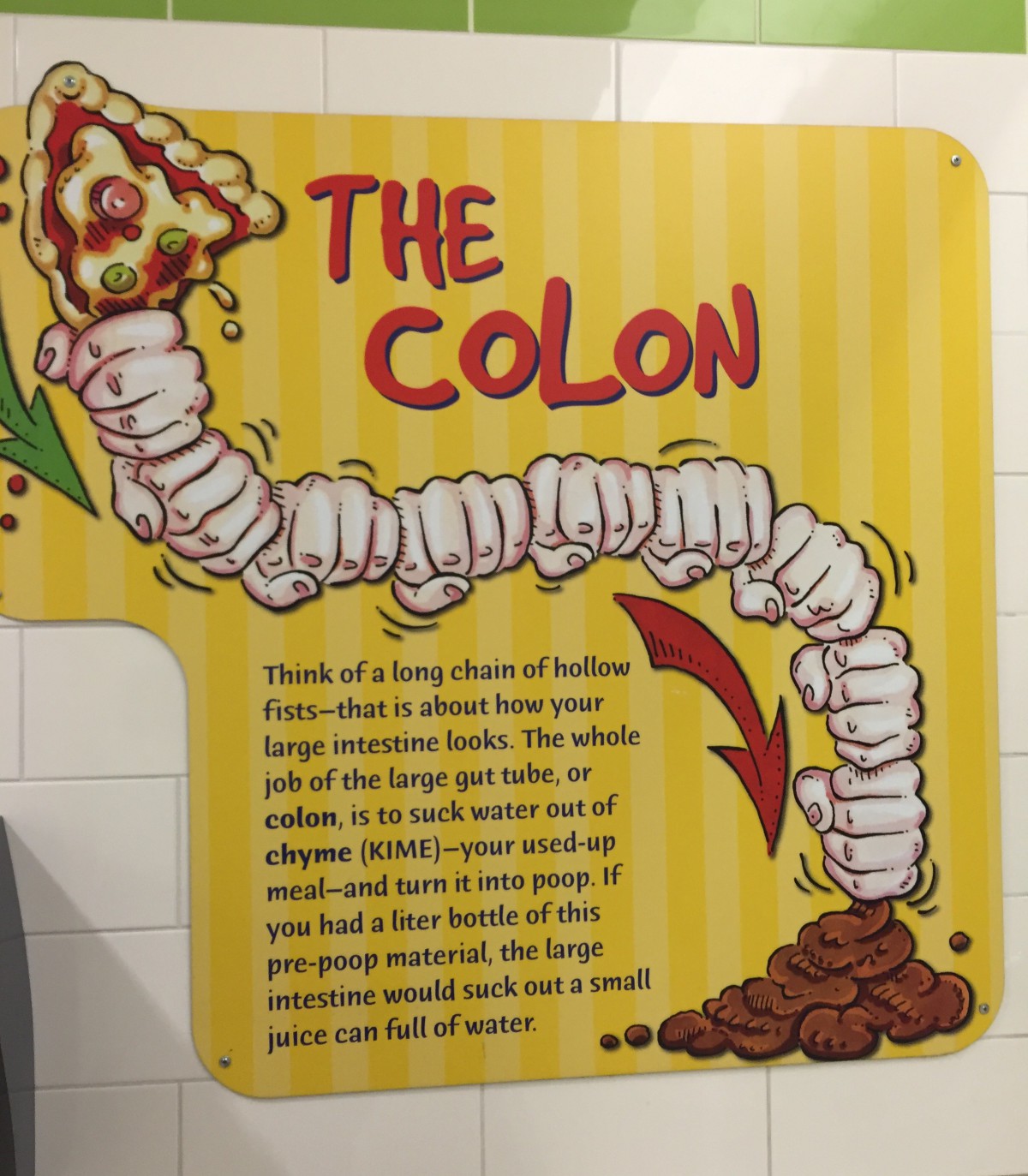
Part of the Grossology approach is a set of Grossology restrooms. Here, courtesy of the women’s Grossology restroom, is an introduction to how the human colon works:

diagram of the colon
Photographed at Pacific Science Center

Gross! Yucky! Great!

2. In a Galaxy Not so Far Away…

When we came out of Costco last weekend, the characters from Star Wars were participating in a fund raiser for the Children’s Miracle Network. I didn’t notice them until we were well across the parking lot. I snapped this quick shot:

Star Wars characters

I particularly enjoyed seeing the Sand Person, who doesn’t usually get as much publicity as the major characters.

3. Want to Go Parasailing?

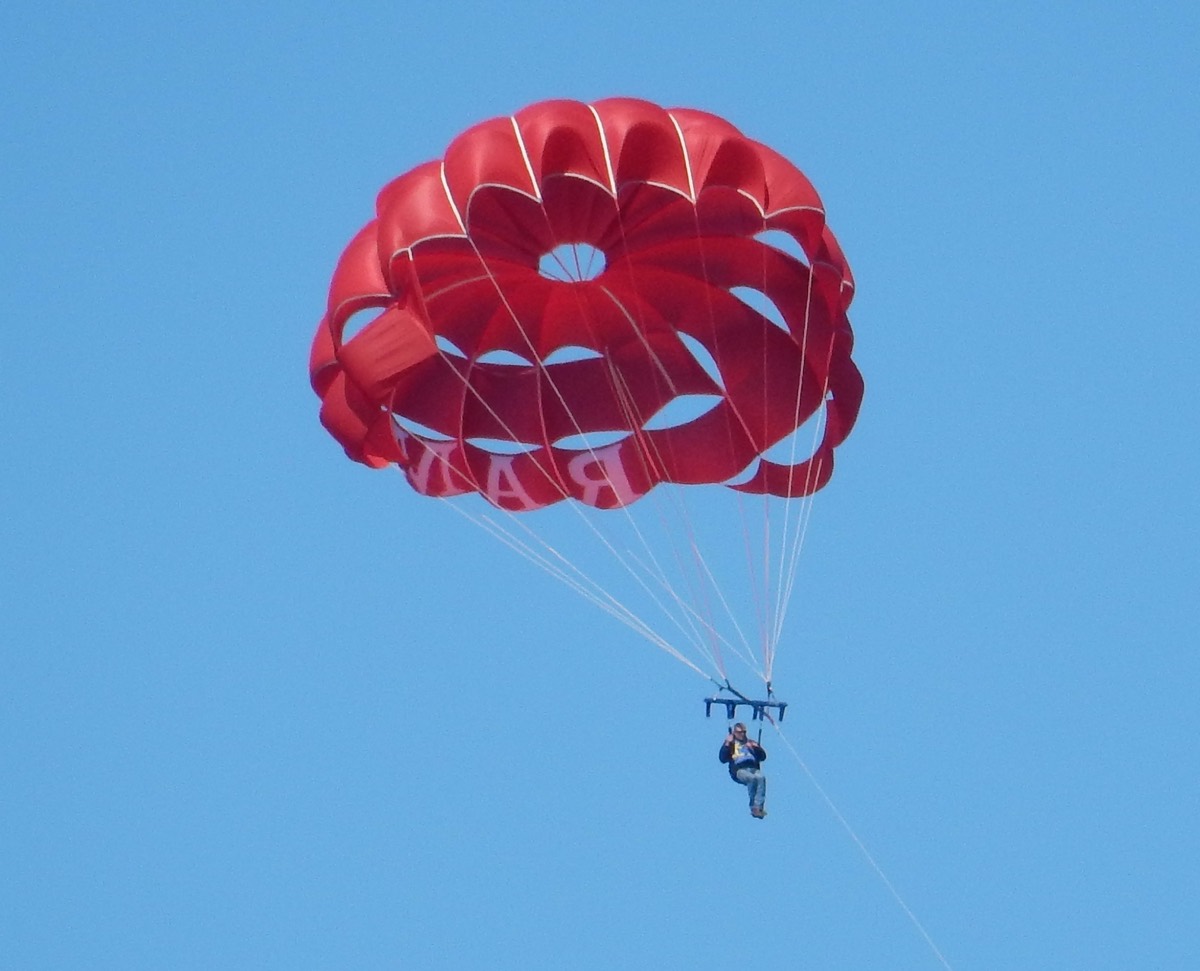
The return of warm weather this past week brought with it the return of parasailing to beautiful Ruston Way along Commencement Bay.

parasailing

Thanks to my husband for this gorgeous photo.

Three Things Thursday

Once again it’s time for the blog challenge Three Things Thursday, the purpose of which is to “share three things from the previous week that made you smile or laugh or appreciate the awesome of your life.”

three-things-thursday-participant

Also once again, thanks to my husband for #1 and #2.

1. A Heron’s Lunch

My husband came upon this great blue heron just as he (the heron, not my husband) found his lunch.

Great Blue Heron

I love these large, magnificent birds, even when they’re not flying.

2. Peacock Mating Season

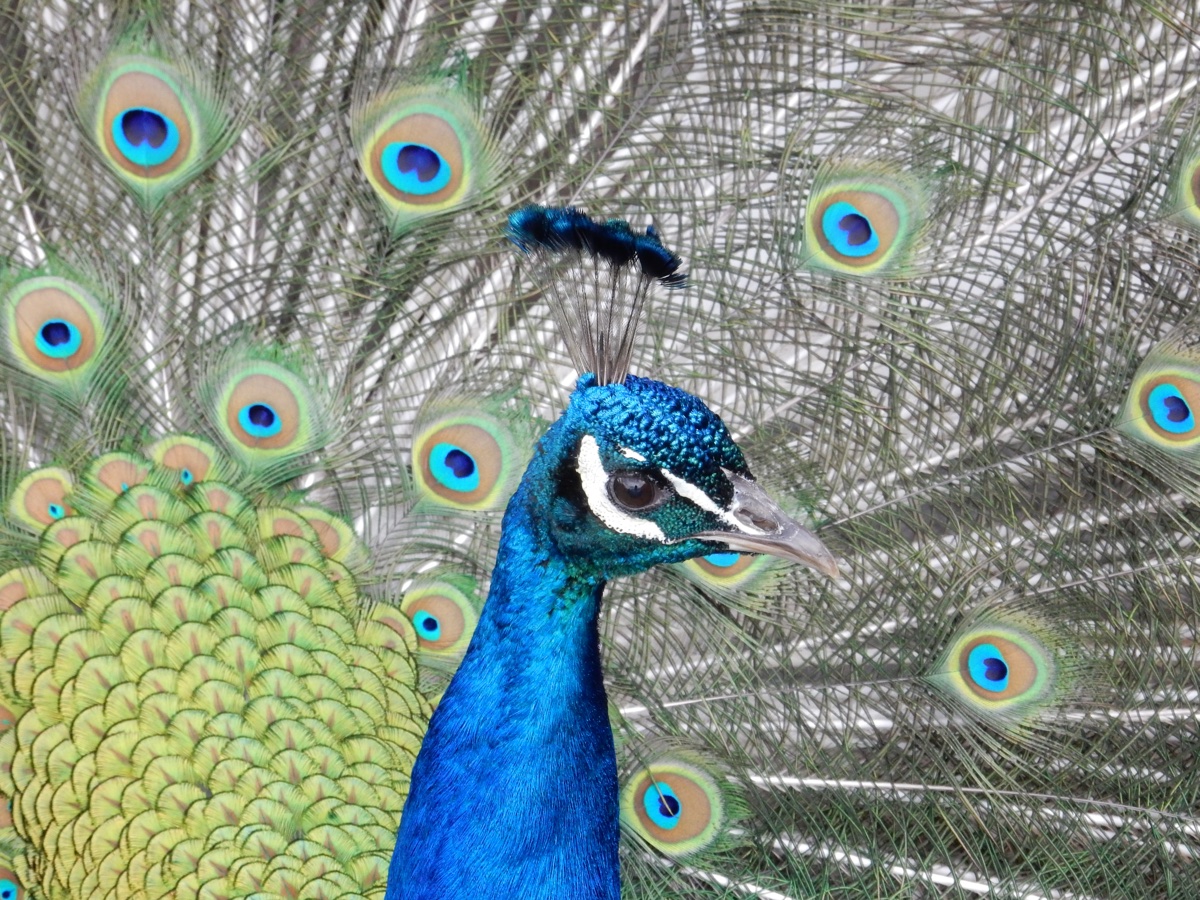
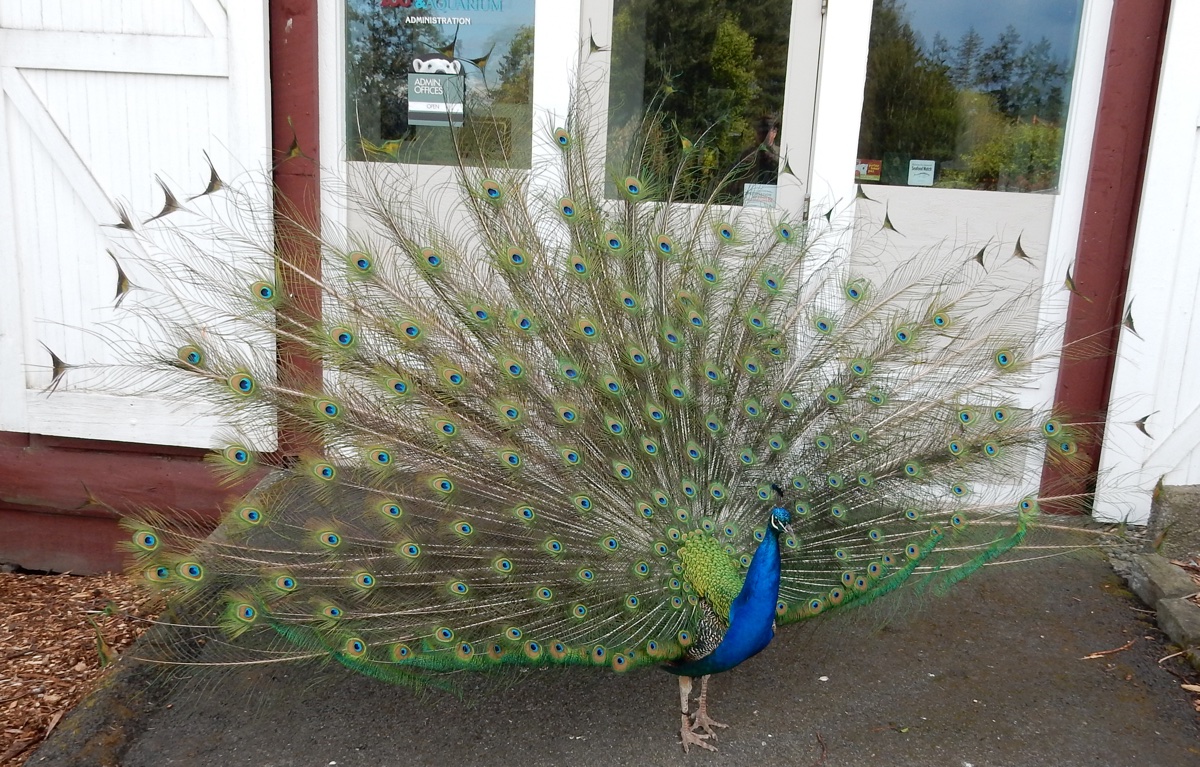
This proud guy was in full strut one afternoon when my husband dropped in at Point Defiance Zoo & Aquarium.

Peacock

His feathers appear rather thin and wispy. Is he sick? Or will his feathers fill out more as mating season advances?

3. Out of the Frying Pan…

We moved from St. Louis, MO—land of tornadoes, flash floods, and even the occasional earthquake—to Tacoma, WA—land of rain, the occasional earthquake, and the possibility of a volcanic eruption.

Version 2

Mysterious and majestic Mount Rainier, which I love so much and which you’ll see photographs of all over this blog (just look at the sidebar on the left), is an active volcano that, sooner or later, will blow its top.

I’ll have more to say about this in the next week or so. In the meantime, I choose to view this sign with some amusement rather than fear. But if the worst-case scenario comes to pass in the next 20–30 years, I’ll be very glad to have these directive signs about.

Pompeii: The Exhibition

The Roman city of Pompeii, on the western coast of Italy, was a thriving port in the first century. The region’s fertile soil made it a leading source of agricultural products, including grains, nuts, and fruits, particularly grapes that were made into wine. But life in this prosperous city came to an abrupt halt in 79 A.D., when Mount Vesuvius erupted and covered everything with 13 to 20 feet (4 to 6 meters) of pumice and ash.

Pompeii lay buried and forgotten until its rediscovery about 250 years ago. The artifacts found there were well preserved because of the lack of air and moisture. Archaeologists have carefully excavated the site and uncovered many artworks and objects that indicate what life was like for the residents of the city in the first century.

Selected artifacts from Pompeii comprise an exhibit that has toured the world. We caught the exhibit today, near the end of its run at the Pacific Science Center in Seattle, WA, the final stop on its current tour.

Terra Sigillata Cup
Terra Sigillata Cup

This terracotta cup was found in a house in Pompeii packed in a wooden crate with 89 similar pieces and 37 lamps. It indicated the high quality of North Italian ceramics manufactured from the end of the first century and throughout the second century A.D.

Gaius Caesar: Age 10


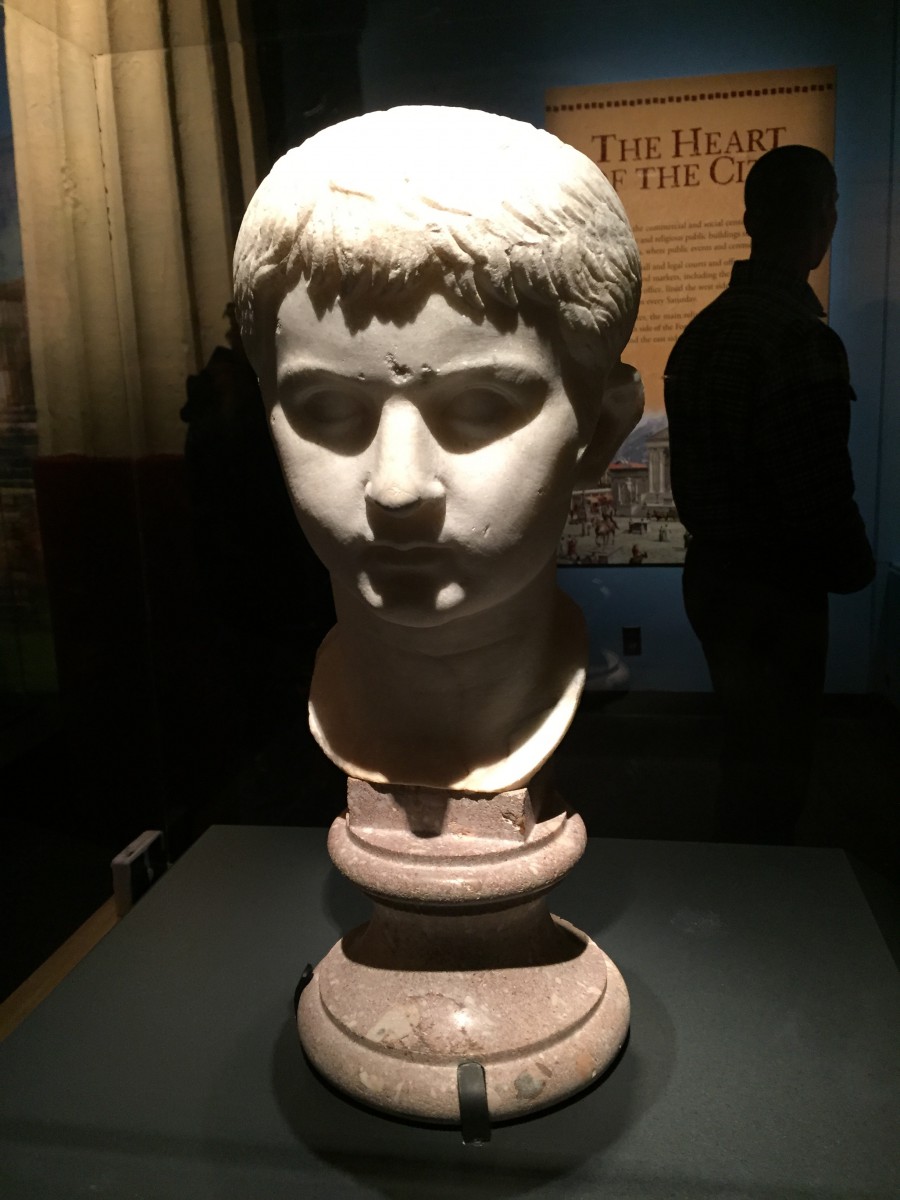
This bust is thought to represent the 10-year-old Gaius Caesar, grandson of the Emperor Augustus. It was found in Herculaneum, a city near Pompeii that was also destroyed by the eruption of Mount Vesuvius. The marble bust is thought to have been made between 63 B.C. and 14 A.D.


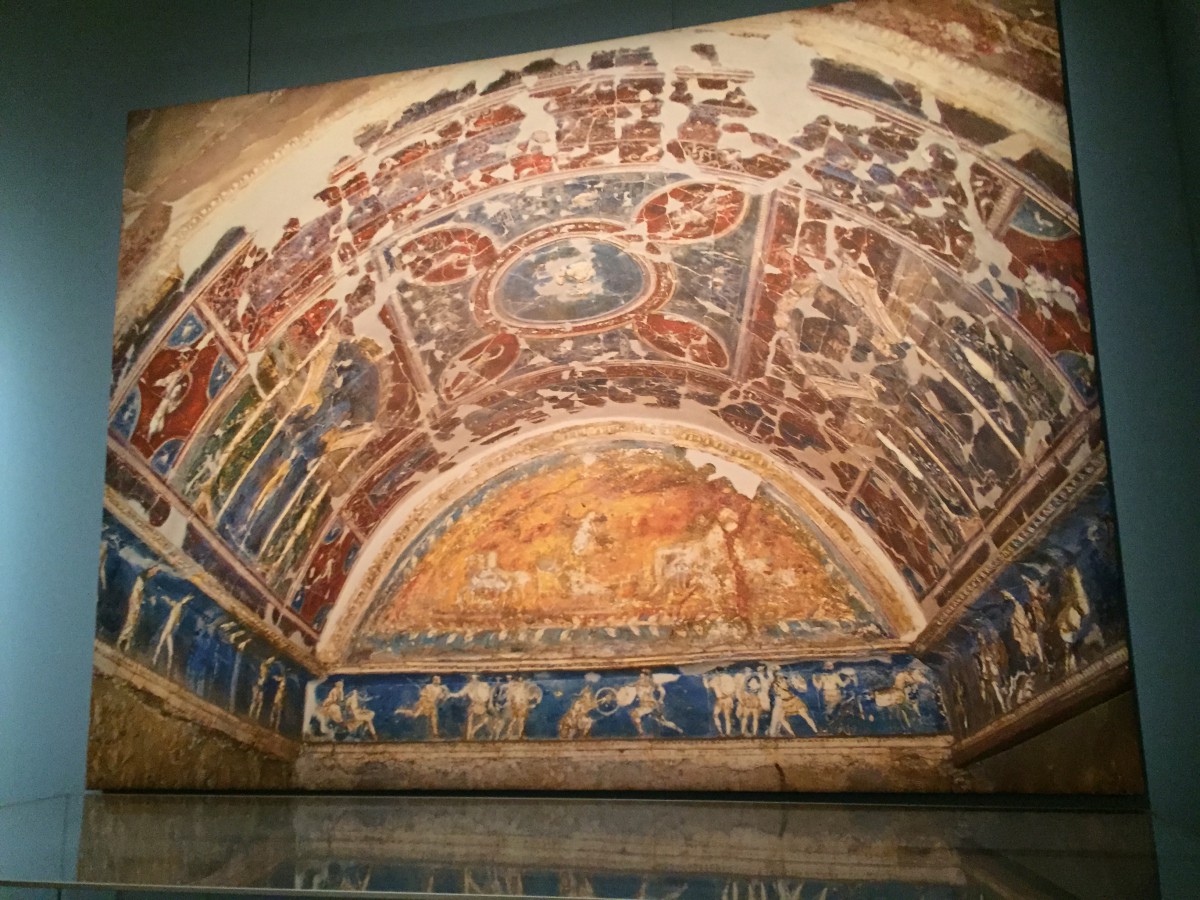
Pompeii was a vibrant, cosmopolitan city because of its trade-route location. By 79 A.D. many wealthy Roman citizens had holiday villas there furnished with artworks, such as statues and mosaics, and painted walls called frescoes:

fresco

a painting that is done on wet plaster

Source

Fresco: Roman Bath
Fresco: Roman Bath

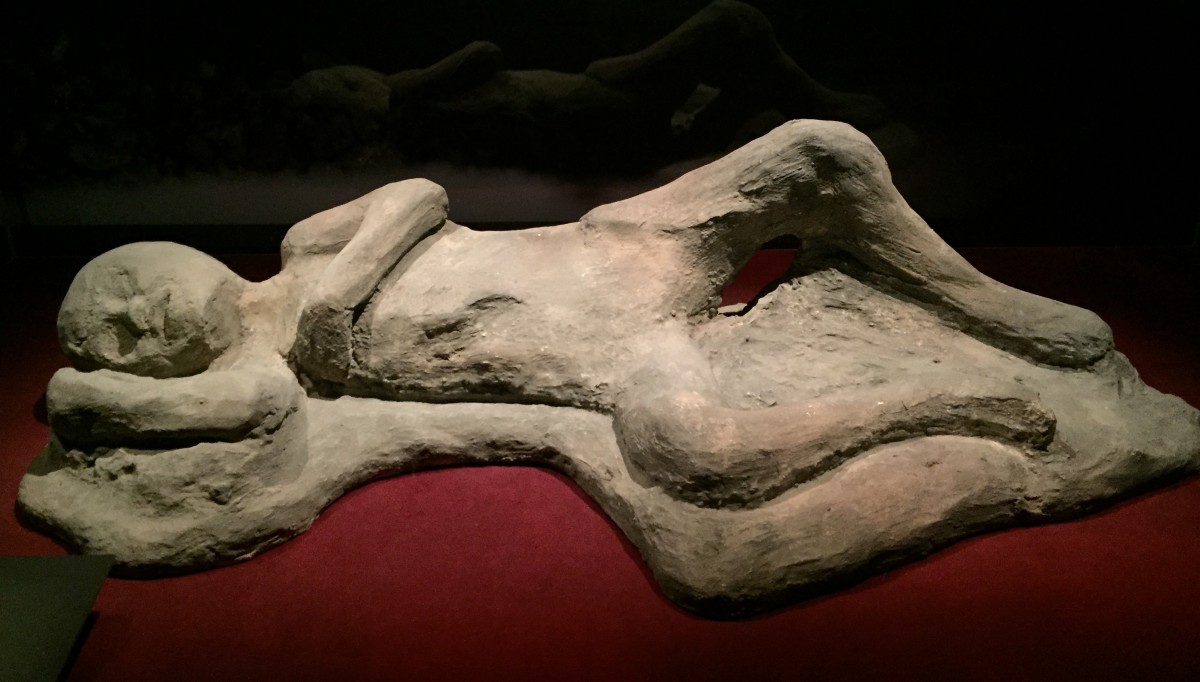
During the excavation of Pompeii, archaeologists used plaster to fill in the voids that had once held human bodies. These plaster casts reveal the exact positions people were in when they died.

Reclining body
Reclining body
Body of child
Body of child

I was a classics major in college and had read the surviving letter by Pliny the Younger, who witnessed the eruption of Vesuvius. In the letter he describes not only the eruption itself, but also the death of his uncle, Pliny the Elder, an admiral of the Roman fleet who died trying to rescue Pompeii’s citizens from the devastation. As much as I enjoyed seeing the many artifacts and artworks, the location of these body casts at the end of the exhibit reminded me of the sudden extinction of so many lives. (Estimates of the population of Pompeii at the time of the eruption range from 11,000 to 20,000).

I am glad to have had the opportunity to view this exhibition. It features not only human cultural achievement but also the massive power of the natural world.

What I’ve Learned from Writing 100+ Posts

WordPress informed me that yesterday’s post Retirement Lifestyle is my 100th post here on Retreading for Retirement.

I’ve been working on my two other blogs longer. I started Notes in the Margin, my literature blog, in November 2007, and it currently has 789 posts. Change of Perspective began in August 2007 and currently has 454 posts. So what I’ve learned about blogging over the years takes into account those two blogs as well, but here I’d like to focus on Retirement because it’s the blog that has most recently and directly resulted from my 2015 blog challenge.

There is some overlap of items here, but these are the biggest lessons I’ve learned.

  1. I learned how to use WordPress to create and maintain a blog.
  2. I learned how to combine text and photos to create illustrative graphics for my blog.
  3. I developed the discipline of writing every day.
  4. I became more aware of the world around me as I looked for topics to write about.
  5. I experimented with WordPress themes to find a design layout that I like because it appropriately features what I have to say.
  6. I am becoming more comfortable with using my own experiences as source material for posts.
  7. I learned to write poetry.
  8. I found that reading other blogs makes me a better, more informed writer on my own blog.
  9. Commenting on other blogs has introduced me to some interesting people and ideas.
  10. I took a couple of instructive classes through WordPress’s Blogging U. and learned even more when I attended the conference Press Publish in Portland, OR.
  11. Writing over a wide range of topics is helping me figure out what’s most important to me as a person and as a blogger.
  12. I’m reading a lot more web content (though many fewer books) than before.
  13. I’m beginning to experiment with different formats and approaches to writing.
  14. It IS possible to find something to write about every single day since I’ve started paying attention.
  15. I’ll continue to learn new lessons as I pursue post #200.

Thanks for reading.

I’d love to receive your comments.

My Late-Life Journey: Part 1

Today’s Daily Post from WordPress asks us to describe a journey, “whether a physical trip you took, or an emotional one.”

Here, then, is Part 1 of the late-life journey that lead me to where I am today.

Quite a few years ago I went through a difficult time when my two closest friends died of cancer just 10 months apart. I was shocked and numbed. These deaths coincided with my own entry into midlife—-a time when women characteristically begin to redefine themselves and their purpose in life. Many people say, at a time like this, that they’re looking for answers, but I wasn’t at that point yet: I began by looking for the questions I needed to ask. In my search I turned to the two activities that have always informed my life: reading and writing.

I’ve always read on a wide range of subjects, but in my emotional and spiritual disarray I cast my reading net even more widely than usual. I consumed books on philosophy, spirituality, psychology, and feminism. Each book lead to many others; synchronicity kicked it, as Jung promises it will, once I began to pay attention. Of all the books I read during this period, two were pivotal:

1. Carolyn Heilbrun’s Writing a Woman’s Life. Heilbrun asserts that throughout history anyone who wrote about women’s lives shaped the stories to conform to societal expectations of how women should be. She calls for new ways of writing women’s autobiography and biography: “For women who have awakened to new possibilities in middle age, or who were born into the current women’s movement and have escaped the usual rhythms of the once traditional female existence, the last third of life is likely to require new attitudes and new courage” (p. 124). As older women, Heilbrun says, “we should make use of our security, our seniority, to take risks, to make noise, to be courageous, to become unpopular” (p. 131).

2. Daniel Taylor’s Tell Me a Story: The Life-Shaping Power of Our Stories. Taylor stresses that we shape the stories we tell about ourselves, but those stories in turn shape who we are. Taylor’s most compelling point is that, if the story we’re living is broken, we can fix it by retelling it: “When we envision our lives differently, we are capable of being different” (p. 127). This ability applies not only to individuals but to whole societies as well.

My reading lead me to explore narrative psychology, narrative therapy, and the narrative study of lives movement.

writingAnd through all this exploration, I wrote: pages and pages of journal entries, unsent letters to my dead friends, real letters gratefully acknowledging my living friends, fist-shaking diatribes hurled at The Universe, contemplative musings, questions—-and, finally, some tentative answers—-addressed to myself. For me, writing has always been a crucial part of the learning process. Ideas arrive in large format; writing—-the process of putting those ideas into words and making the words fit together—-is the way I refine ideas, and clarify and discover meaning. Along with reading, writing is a necessary component of thinking.

In a prime example of synchronicity, during this period I discovered Story Circle Network, an organization headquartered in Austin, Texas, that focuses on encouraging and enabling women to write the stories of their lives. Shortly thereafter I attended a Story Circle Network weekend retreat with about 30 other women. As we all read, wrote, and talked together, many women experienced emotional breakthroughs and were able to write and talk about aspects of their lives that they had never revealed to anyone before. That retreat was an epiphany for me, and during my two-day drive home I came to realize that everything I had been reading fit together and that I had finally discovered the purpose I’d been searching for.

That five-year journey was an intellectually and spiritually rejuvenating time for me. It caused me to apply to the doctoral program in humanistic psychology offered by Saybrook University, which back then was known as Saybrook Graduate School and Research Center. I planned my instructional program to learn how to work with people, particularly women, in using writing as a means of telling their life stories, either as a record for posterity or as a means of self-discovery and personal growth.

And the journey continues…

Three Things Thursday

Once again it’s time for the blog challenge Three Things Thursday, the purpose of which is to “share three things from the previous week that made you smile or laugh or appreciate the awesome of your life.”

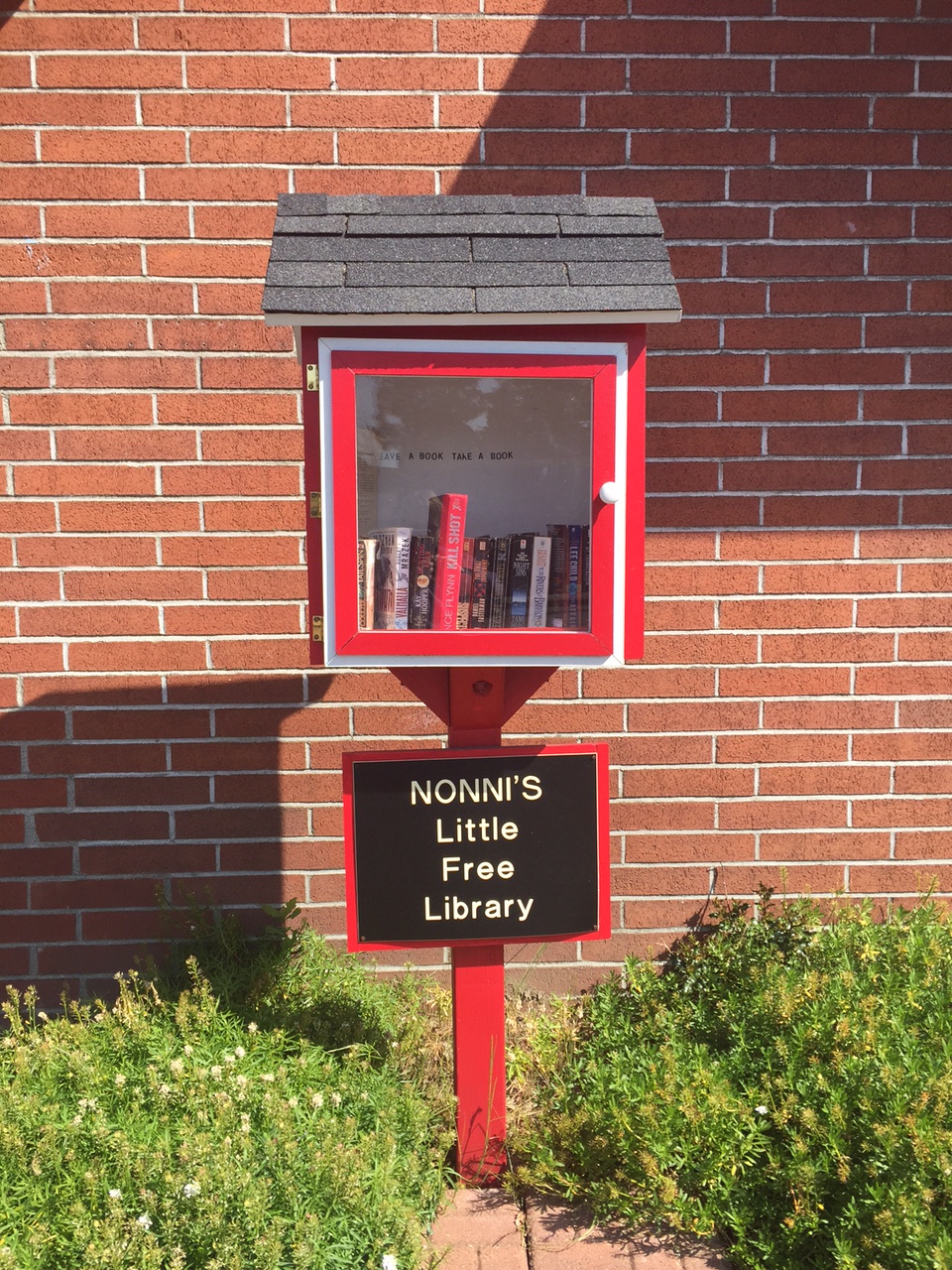
1. Little Free Library

I had heard about and seen photos of little free libraries on Facebook and other social media and news sites, but I had never seen one in the wild until last Saturday.

little free library

This little gem is outside an insurance company office in Puyallup, WA.

The Little Free Library movement was started in Wisconsin by Todd Bol and Rick Brooks in 2009. Its mission is two-fold:

  • To promote literacy and the love of reading by building free book exchanges worldwide.
  • To build a sense of community as we share skills, creativity and wisdom across generations.

Its goal is “To build 2,510 Little Free Libraries—as many as Andrew Carnegie.”

This goal was reached in August of 2012, a year and a half before our original target date. By January of 2015, the total number of registered Little Free Libraries in the world was conservatively estimated to be nearly 25,000, with thousands more being built.

The philosophy behind little free libraries is “Take a book. Return a book.” In other words, for every book you take, you should put one book back. The aim of the process is to promote not only general literacy, but also neighborhood community. These libraries are run on the honor system by community members, for each other.

Check the Little Free Library web site for information on how to establish and maintain one in your neighborhood.

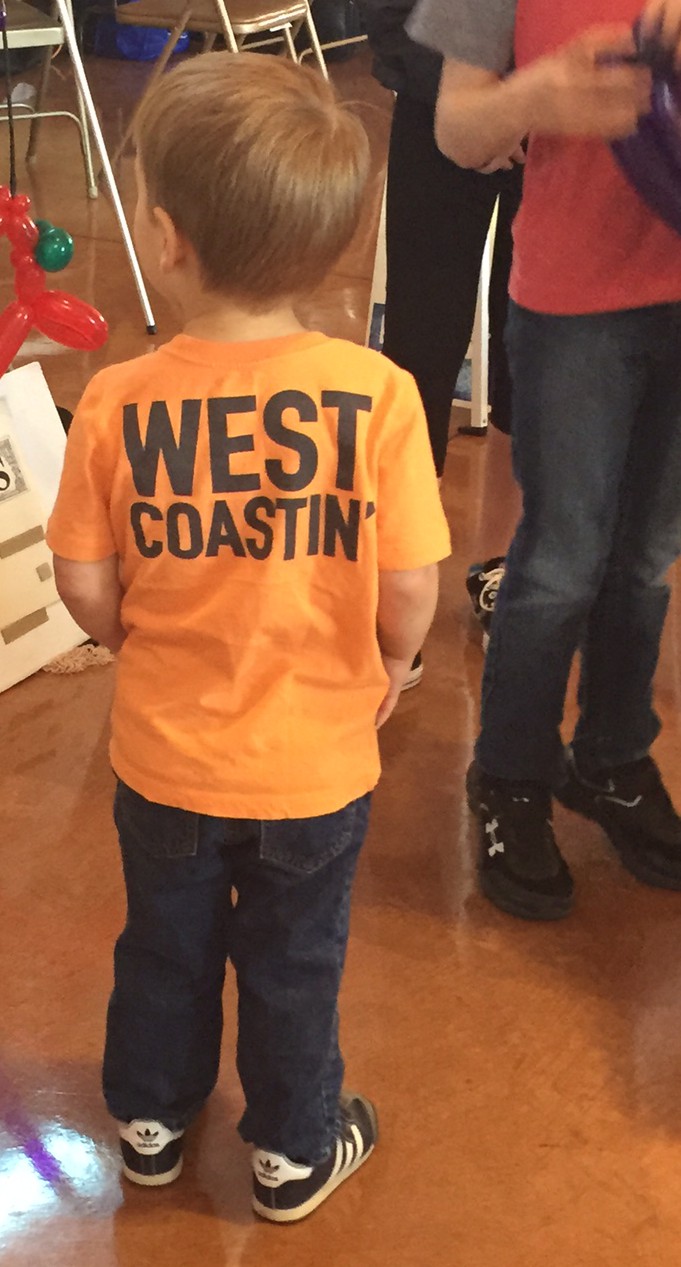
2. West Coastin’

Since retiring from St. Louis, MO, to Tacoma, WA, my husband and I have been enjoying what we think of as West Coasting. So I was delighted to see a little guy wearing this T-shirt:

"West Coastin'" shirt

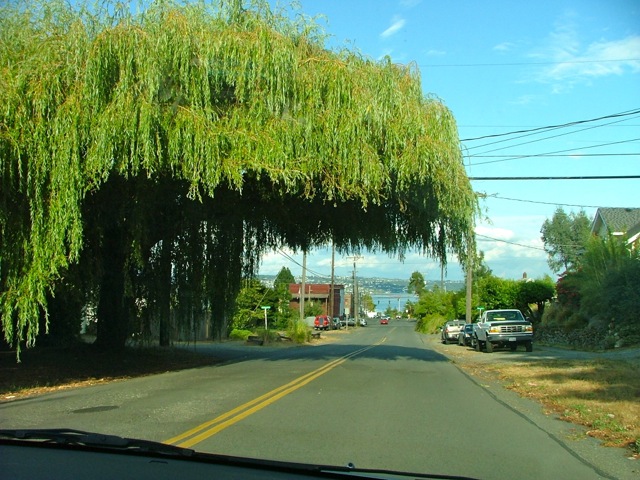
3. Easy Passage

We took this photo from our car on a 2009 visit to Tacoma. The tree was on a road leading to the Point Defiance Zoo & Aquarium.

willow tree trimmed over street
Photographed in 2009

We ended up living just around the corner from this tree. When I arrived at my new home in April 2013, I was disappointed not to see this tree. Sometimes on our walks we stand near its stump and fondly remember how much it amused us when we first spotted it.

Scotch Broom

Along the banks of highways all over the Pacific Northwest, you’ll see these bright yellow flowers. But don’t be fooled by their pretty color: They grow on a plant called Scotch broom, Cytisus scoparius, a member of the pea family, which is not a decorative plant but an invasive, noxious weed.

Scotch broom is native to Britain and central Europe. It was introduced in North America in the 1860s as a garden ornamental and was planted along roadsides and open banks to prevent soil erosion. But because Scotch broom can tolerate a wide range of soil and moisture conditions, it quickly became invasive. Invasive species create monocultures, dense areas of growth that displace native and beneficial plants and cause loss of grassland, such as pastures, and open forest habitat. These monocultures impede movement of wildlife and increase both the frequency and intensity of fires.

Scotch broom is a fast-growing deciduous shrub from five to 10 feet tall. Each shrub may live as long as 30 years. An excerpt from the book Weed Control in Natural Areas in the Western United States lists the weed’s range as:

The entire Atlantic and Pacific coasts from Alaska to British Columbia to California, and from Nova Scotia through Georgia.
Also Idaho, Montana and Utah, as well as one Hawaiian island.

According to Jim Pojar and Andy MacKinnon in Plants of the Pacific Northwest Coast, revised edition:

‘Broom’ is derived from the Anglo-Saxon brom meaning ‘foliage.’ The word was applied to shrubs that were used for making ‘besoms,’ which are bunches of twigs us as brooms.

Scotch broomPeak flowering time for Scotch broom is from March or April until June, but some blooms may appear sporadically during the year. The plants often drop their leaves during dry summer months and may be leafless for most of the year. Seeds are produced in seedpods at the end of the summer. When mature, the pods split open and eject seeds up to 20 feet. According to the Washington State Noxious Weed Control Board, each plant can produce thousands of seeds each year, and the seeds can survive in soil for more than 30 years, with some estimates as high as 80 years. This enormous production and long life of its seeds is another reason why Scotch broom is so invasive.

Washington State University Extension warns that, if eaten, all parts of the plants are toxic to livestock, horses, and humans.

The yellow flowers may look pretty, but they represent vegetation devastation. A 2011 article in The Olympian, the newspaper in Washington’s capital of Olympia, reports that Scotch broom causes around $100 million in agricultural and forestry losses each year in Oregon and Washington.