Celebrating Earth Day

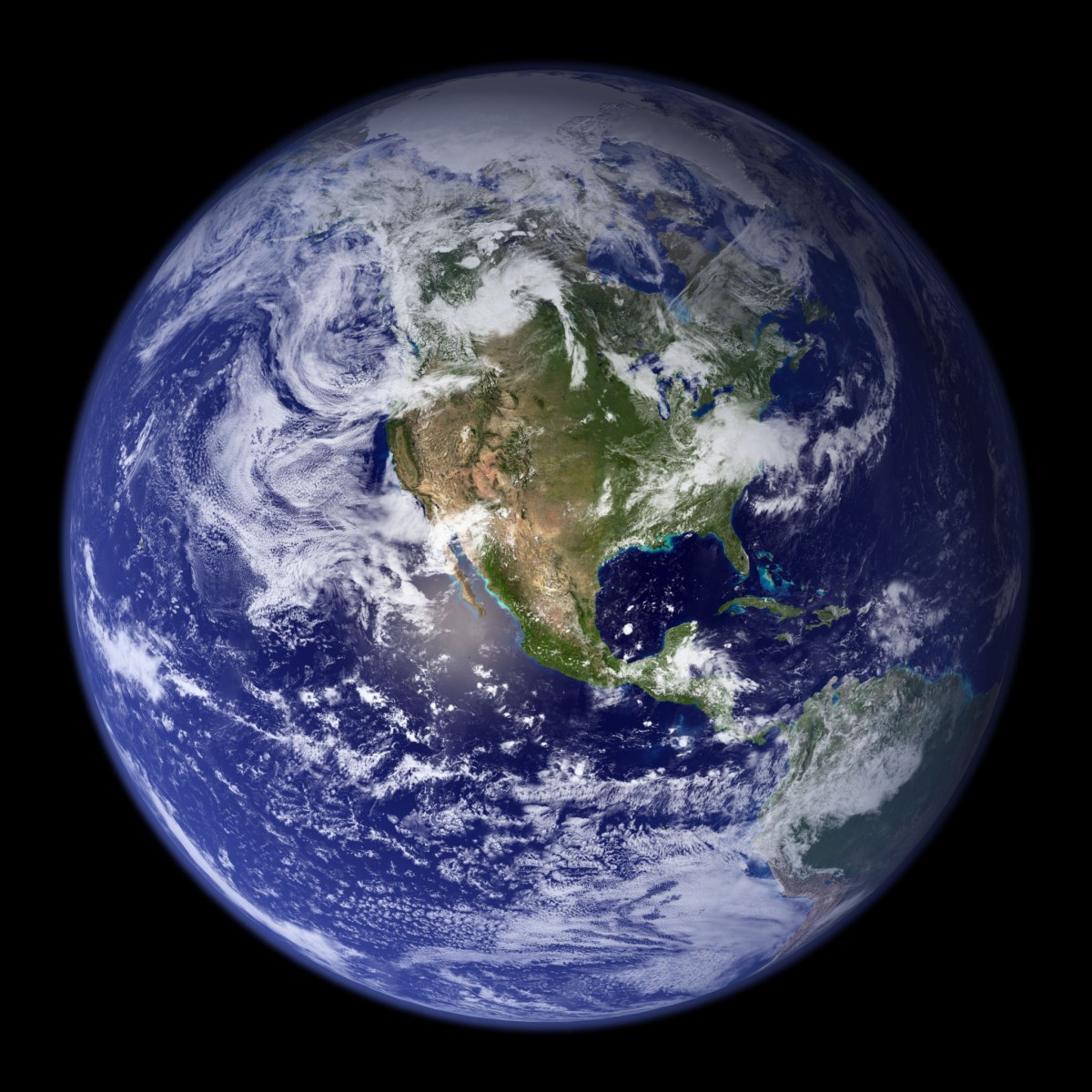
Today is the 50th anniversary of Earth Day. First celebrated in 1970, “The date of Earth Day was specifically selected to mobilize college students”:

To head up the Earth Day project, Senator [Gaylord] Nelson enlisted Denis Hayes, then a graduate student at Harvard University. As national coordinator, Hayes recruited a staff of 85 energetic young environmental crusaders and grassroots organizers, along with thousands of field volunteers, in order to promote the fledgling holiday across the nation. The team knew that in order to gain the most traction, college students would need to play a central role, as they did in the Vietnam protests of the era. The date that Hayes selected for the first Earth Day was a calculated choice: April 22 on most college campuses falls right between Spring Break and final exams.

Read this and other memorable morsels in 10 Fascinating Facts About Earth Day.

If you’ve finally decided that it’s time to read a book about climate change, The New York Times has some suggestions in the following categories:

  • I don’t even know where to start.
  • I just want to understand how we got here.
  • I’m ready for the hard truth. Don’t sugar-coat it.
  • Who saw this coming?
  • I’m fascinated by how people behave when things get bad.
  • Did we learn anything from Hurricane Katrina?
  • I live on the coast. How scared should I be?
  • New York is the center of my universe.
  • What’s happening to the Great Lakes?
  • I know it’s all politics. So who’s to blame?
  • Someone must be profiting from climate change. Where’s the money?
  • I’d like a novel that taps into my current, IRL dread.
  • What are some future scenarios?
  • I’m a dystopian. Prepare me for the worst.
  • I need help arguing with my denialist uncle.
  • I’m just an old-fashioned tree-hugger.
  • What about the animals?
  • I only have time for one canonical read.
  • What will inspire the climate activist of the future?
  • What will our grandchildren think of us?
  • What I can do right now?

And here are some more reading suggestions: 9 Nonfiction Books About Nature and Climate Change.

© 2020 by Mary Daniels Brown

Last Week’s Links

Here’s a mental health tip to get you through coronavirus quarantine: Find tranquility in nature

Corinne Whiting reports in The Seattle Times how nature can help soothe us through these uncertain times. Although her emphasis is local, much of what she has to say can probably be extrapolated for people in other areas.

“We as Americans have a tendency to think outside of our cities when it comes to nature and health,” Wolf said. The research, however, points to nearby, everyday nature — from our backyards to neighborhood streetscapes — being equally important, if not more so. [Kathleen Wolf is a research social scientist at the University of Washington’s College of the Environment.]

For those who can’t get outside or who don’t have access to appropriate natural areas:

Wolf suggests taking advantage of “vicarious or virtual nature,” whether via wildlife documentaries or daily livestreams offered by zoos, aquariums and nature reserves around the globe.

What Do the Humanities Do in a Crisis?

Even in good times, the humanistic academy is mocked as a wheel turning nothing; in an emergency, when doctors, delivery personnel, and other essential workers are scrambling to keep society intact, no one has patience with the wheel’s demand to keep turning. What is the role of Aristotle, or the person who studies him, in a crisis?

For those of us whose daily existence centers around mental rather than physical activity, Agnes Callard laments that the current crisis has made it impossible to capitalize on the time now available for mental processes that  we value so highly. 

“Perhaps the special danger of a crisis that leaves a lot of time for thinking is that one will try to learn too many lessons while inside it. Crises are, at least while they are happening, not educational opportunities. They are events that befall us, that harm us. They target everything about us, including our faculty for learning.”

What Day Is It? You’re Not the Only One Asking

When I first visited my doctor for a routine annual physical after turning 65, the nurse said, “Since you’re now on Medicare, I have to ask some questions to assess your cognitive acuity. What day is it?”

And I just laughed. “Retirement means never having to know what day it is,” I told her as my mind scrambled for the answer. And it’s true. When you don’t have to get out and about for work or other daily obligations, one day becomes pretty much like the next. I think I was finally able to tell her that today was Tuesday, but only because I knew that Tuesday was the only day on my weekly calendar with an appointment on it.

The situation is similar now that most of us are all shuttered inside. Even people who are working from home and/or home-schooling their kids are apparently, like Kurt Vonnegut’s Billy Pilgrim, becoming unstuck in time. 

Among the stranger consequences of the coronavirus pandemic is how, by unmooring the daily lives of tens of millions of people, it has made time itself feel distorted. Psychologists say the sensation is a result of losing social anchors, chronic stress and anxiety, and drastic changes to normal routines.

Friendship Is a Lifesaver

“People over 60 are more vulnerable to COVID-19 than anyone else. They are also vulnerable to loneliness, especially when they live alone. By forcing us all into social isolation, one public health crisis—the coronavirus—is shining a bright light on another, loneliness. It will be some time before we have a vaccine for the coronavirus. But the antidote to loneliness is accessible to all of us: friendship.”

3 older adults on bench

Lydia Denworth, a contributing editor for Scientific American, discusses how social isolation can be especially hard on older adults, the very people most vulnerable to the physical effects of COVID-19.

Our dreams have many purposes, changing across the lifespan

Patrick McNamara, associate professor of neurology and psychiatry at the Boston University School of Medicine, discusses how dreams tend to change focus across the human life span and, further, across historical epochs.

“Older adults tend to dream more about creative works, legacies and enduring concerns, while the dreams of dying people are filled with numbers of supernatural agents, other-worldly settings and images of reunions with a loved one who has died.”

Art for Earth Day: Seattle Times artists past and present share their views of our world

Pacific NW Magazine, a weekend feature of The Seattle Times, takes “a fresh look at Earth Day through the eyes of current and former Seattle Times artists” on the 50th anniversary of Earth Day.


© 2020 by Mary Daniels Brown

Last Week’s Links

Irritable? Can’t sleep? We react to pandemic’s stress in many ways, experts say

Over on my literature blog I wrote about how the current health emergency has made it difficult for me to read and write: Reading & Blogging in the Time of COVID-19.

Many people are writing similar pieces about how the situation is affecting them. Here, from my local newspaper, is an article about what a couple of experts have to say about how different people handle stress differently, along with some advice on how to care for ourselves as well as others.

The Tonic of Gardening in Quarantine

Just as people experience stress differently, they also find comfort differently. One activity often recommended is gardening. Here, in The New Yorker, Charlotte Mendelson explains how gardening is helping her cope in these unsettled times:

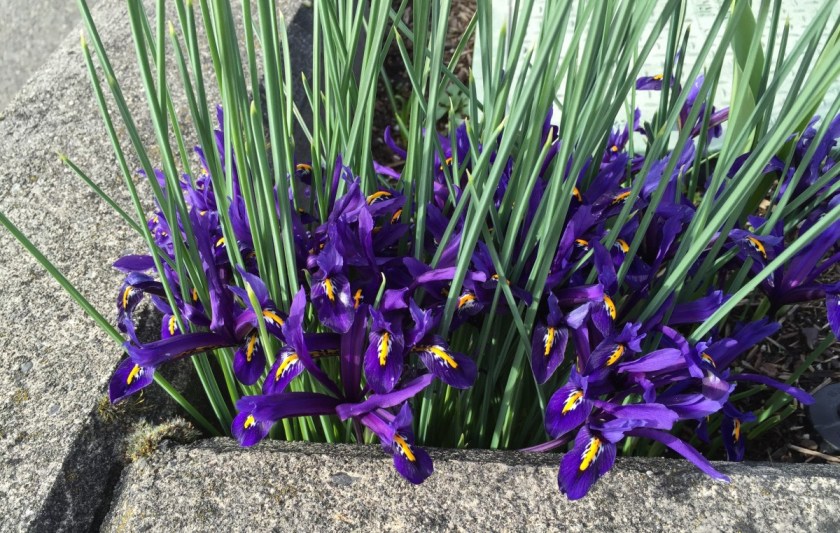
What all gardeners know, and the rest of you may discover, is that if you have even the smallest space, a pot on a window ledge, a front step, a wee yard, there is no balm to the soul greater than planting seeds. Watching them begin to sprout, checking far too often as the firm yet fragile stems break free of the soil, the dry seed-case caps, is a joy so strong you can feel it in your knuckles.

purple iris
purple iris

6 Indoor Gardening Projects for *Any* Size of Home

And for those who live in small spaces, here are some indoor gardening suggestions. The one I found most intriguing was a link to an article about how to create a vertical garden (not that I’m actually going to do it, mind you, but the thought piques my imagination).

Need to Cure of Case of Cabin Fever? Try Backyard Birding

Maybe you prefer birdwatching to gardening. (I know I do.) According to this article, “A 2017 study from the University of Exeter found that being able to see birds around your home may reduce levels of stress, depression, and anxiety.”

birds: northern flickers
northern flickers

The article itself is short, but it contains links to several related resources.

Dispatches from a Pandemic

This is a portal to several articles by writers for The New Yorker. There’s a wide variety of topics here, so you’re bound to find something to interest or inform you.

A Force Outside Myself: Citizens Over 60 Speak

I learned about this site from Ron Charles’s weekly Book Club newsletter for the Washington Post. Here’s what Charles has to say about this site:

I’ve been alarmed by some of the “reassuring” rhetoric around the Covid-19 crisis. The worst example came last month from Texas Lt. Gov. Dan Patrick, who sounded like he might push grandparents into a pit if it meant the rest of us could start shopping sooner. . . . In response, McSweeney’s has started publishing a series of short statements called “A Force Outside Myself: Citizens Over 60 Speak” . . . Their pieces are haunting, sobering, sometimes witty, always achingly sincere.

Fran Lebowitz Is Never Leaving New York

“The writer on growing old, life in quarantine, and the sadness of seeing her city shut down.”

Here’s an interview with Fran Lebowitz, “one of New York’s most distinctive personalities.”

At age 69, she’s in the high-risk category of people over 60. When asked how she feels about being in this category, she replied:

One thing I’ve absolutely noticed about myself, and which should be true as you get older: it’s not that you want to die, but you are less attached to life. You’re less panicked. I’m not very panicked by this, and I have friends who are. They’re 


© 2020 by Mary Daniels Brown

Last Night’s Super Moon

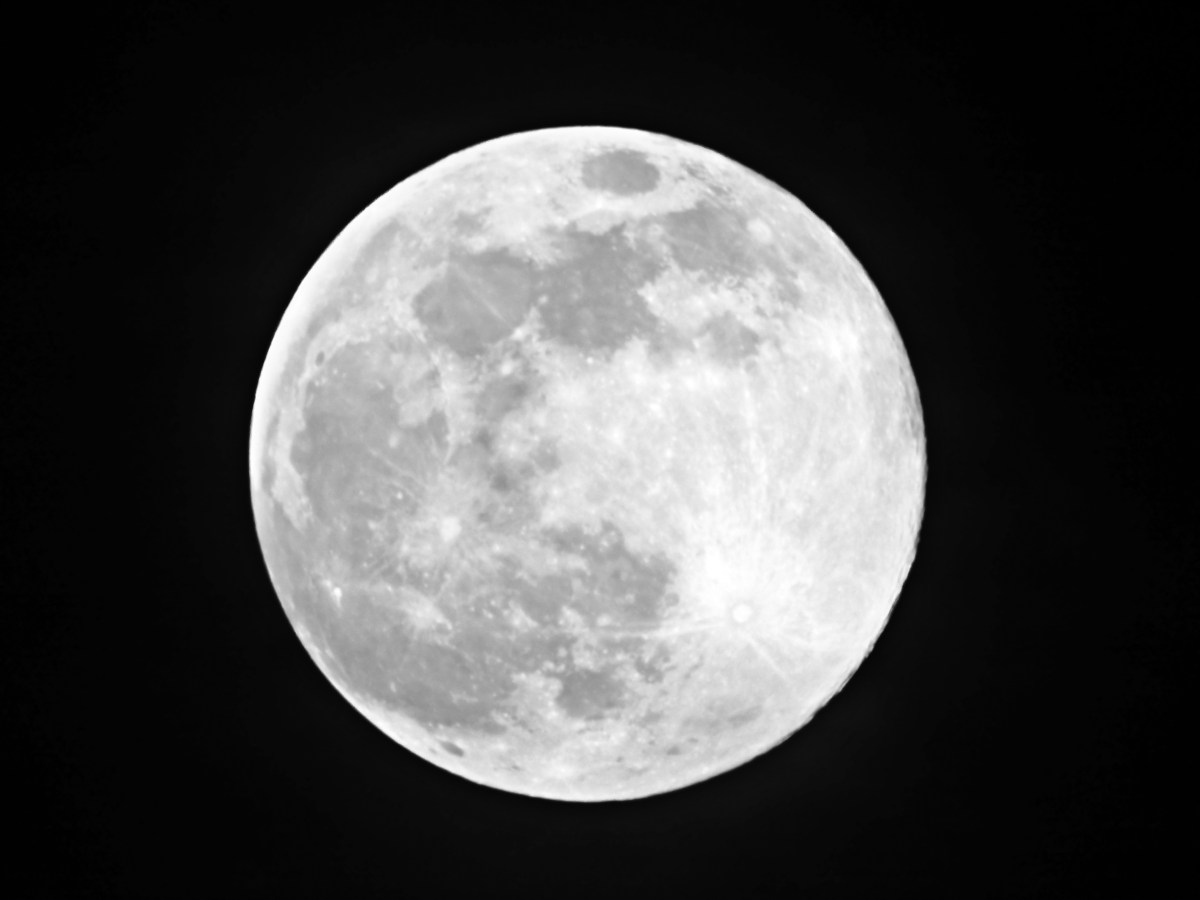
Here’s my husband’s photo of last night’s super moon over Tacoma, WA, USA.

We often can’t see the full moon here because of cloud cover, but the last couple of nights have been super clear for the super moon.

Here’s a photo I took with my phone to give you an idea of how big the moon looked. Of course the resolution of the moon itself is horrible, but you can see the moon in context.

Full moon over building, Tacoma, WA, USA, April 7, 2020

Here’s an explanation of the super pink moon from The Seattle Times.

© 2020 by Mary Daniels Brown

Last Week’s Links

It’s nearly impossible to avoid COVID-19 new entirely, and I apologize for that.

I hope you are all staying inside as much as possible, remaining safe and healthy, and WASHING YOUR HANDS.

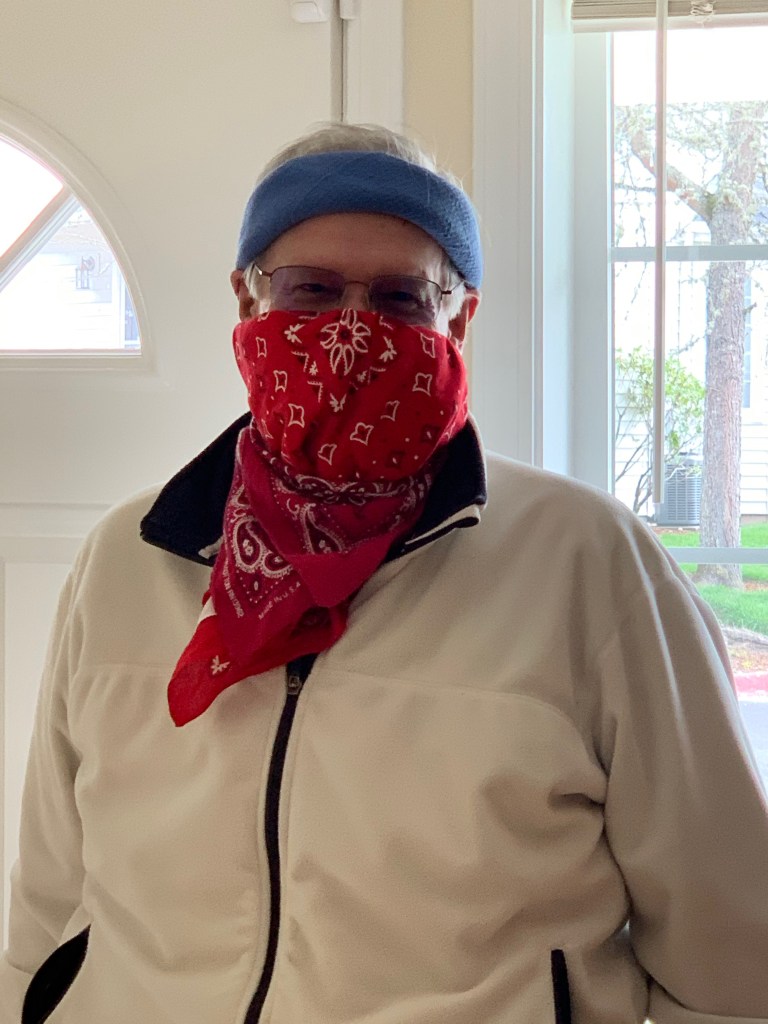
My husband got all dolled up this morning for a run to the grocery store:

My husband masked up for a trip to the grocery store

Why Life During a Pandemic Feels So Surreal

“You’ve heard your friends and family say it: just surreal. We in the media call it surreal all the time. Because it is surreal, “marked by the intense irrational reality of a dream,” so says Merriam-Webster.

It’s good to have our feelings validated in these unusual—well, yes, surreal—times. Even though “study of the surreal isn’t exactly an official field in psychology,” here are some psychological explorations into what we’re all feeling right now and why. 

Here’s a good take-away from the article: “Psychologists say that to combat our aimlessness, we need continuity, and luckily that’s one of the few things you can easily create for yourself right now.”

20 Surprising Facts About King Tutankhamun

Unless you’re an Egyptologist, you can probably, like me, learn something new about a subject other than COVID-19 from this article.

How Epidemics of the Past Changed the Way Americans Lived

“Past public health crises inspired innovations in infrastructure, education, fundraising and civic debate.”

I’m finding it hard right now to find the silver lining in the current pandemic cloud, but here’s some encouraging discussion from Smithsonian Magazine:

the effects of epidemics extend beyond the moments in which they occur. Disease can permanently alter society, and often for the best by creating better practices and habits. Crisis sparks action and response. Many infrastructure improvements and healthy behaviors we consider normal today are the result of past health campaigns that responded to devastating outbreaks.

The Best Books for Distancing Yourself From Reality Right Now

“If you’re looking for an escape from your Coronavirus quarantine pick up one of these and transport yourself to rural Maine or to Mars.”

Esquire offers some reading suggestions to help pass the time in isolation: “From speculative and historical fiction to soulful works of nonfiction, these transporting books are the best medicine for strange times.”

How to Digitize Your Most Important Documents

“If you have some spare time at home and want a productive project, consider creating a digital archive of your personal papers.”

Or, if you’d prefer a more hands-on activity than reading, New York Times tech writer  J. D. Biersdorfer tells you how to scan personal papers to create a digital archive: “ even if you don’t have a document scanner, you can create your personal archive with a smartphone, a few apps and a bit of time.”

Stop Trying to Be Productive

Now that we’re all living even more online than before, our world is saturated with articles (like the ones included here) about how to spend fruitfully all this enormous amount of time now on our hands. “This urge to overachieve, even in times of global crisis, is reflective of America’s always-on work culture,” writes Taylor Lorenz.

But it’s important to remember that the current situation is not normal. It’s OK to feel overwhelmed and perhaps even a little disconnected. If some of the recommended activities can help you stay occupied and get through this, fine. But if the seemingly endless urge to be productive just makes you feel even worse, that’s OK, too. 

For the first couple of weeks of self-isolation, I, an introvert who likes nothing more than curling up with a good book, couldn’t read a novel or write anything more than the occasional Facebook post. For the past two weeks I have been able to read novels, but I’m still having trouble concentrating long enough to write anything of substance, such as book reviews. 

Everyone will react to this surreal (there’s that word again) time differently. What’s important is to find something that works to soothe you. During times of stress such as these, different people find solace in very different activities: cleaning, cooking, baking, rearranging the furniture, reading, writing, gardening, meditating.

You don’t have to be productive in terms of making finished projects you can check off on a list. All you have to do is get through this. Whatever works for you is what you should do.

As long as you remember to also wash your hands.

Stay safe, stay healthy, and, if you’re so inclined, let us know in the comments how you’re coping.

© 2020 by Mary Daniels Brown