Montevideo, Uruguay

Montevideo, capital of Uruguay, is set on an estuary of the Plata River. The city was first settled by the Portuguese as a bastion against the Spanish, who had already established Buenos Aires nearby. Spain expelled the Portuguese from Montevideo in 1724.

Our bus tour today took us to the most important locations in the Old City, which was originally a walled city. Today only a couple of pieces of the walls remain. But Independence Plaza features a monument to the walled city:

gate monument

(Click on any photo to see a larger version.)
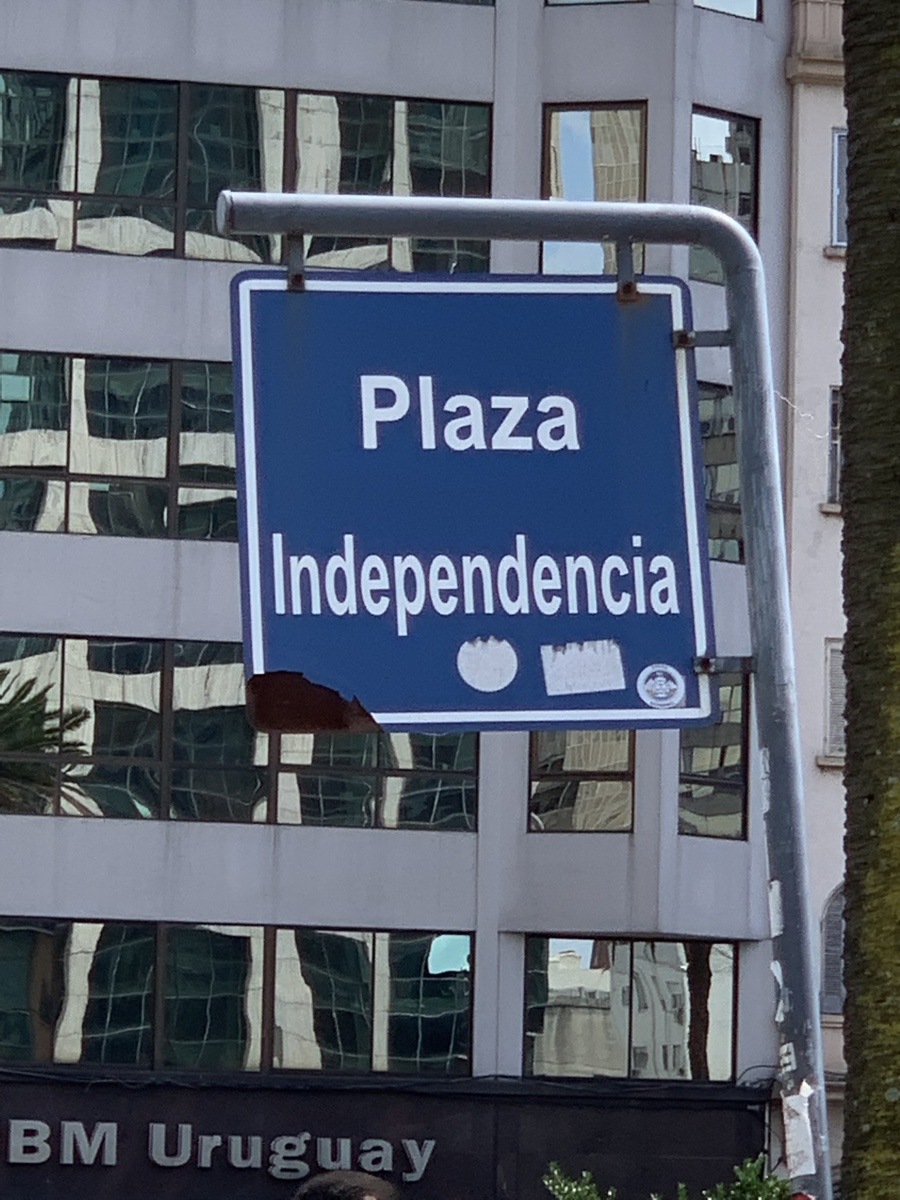
Independence Plaza sign

This plaza also showcases some of the city’s colonial-era buildings, including the early home of the parliamentary legislative council, shown in the photo at the top of this post. The building is now a museum. Government business takes place in a much newer building in the next block down the street.

Just off one corner of the plaza is the old theater:
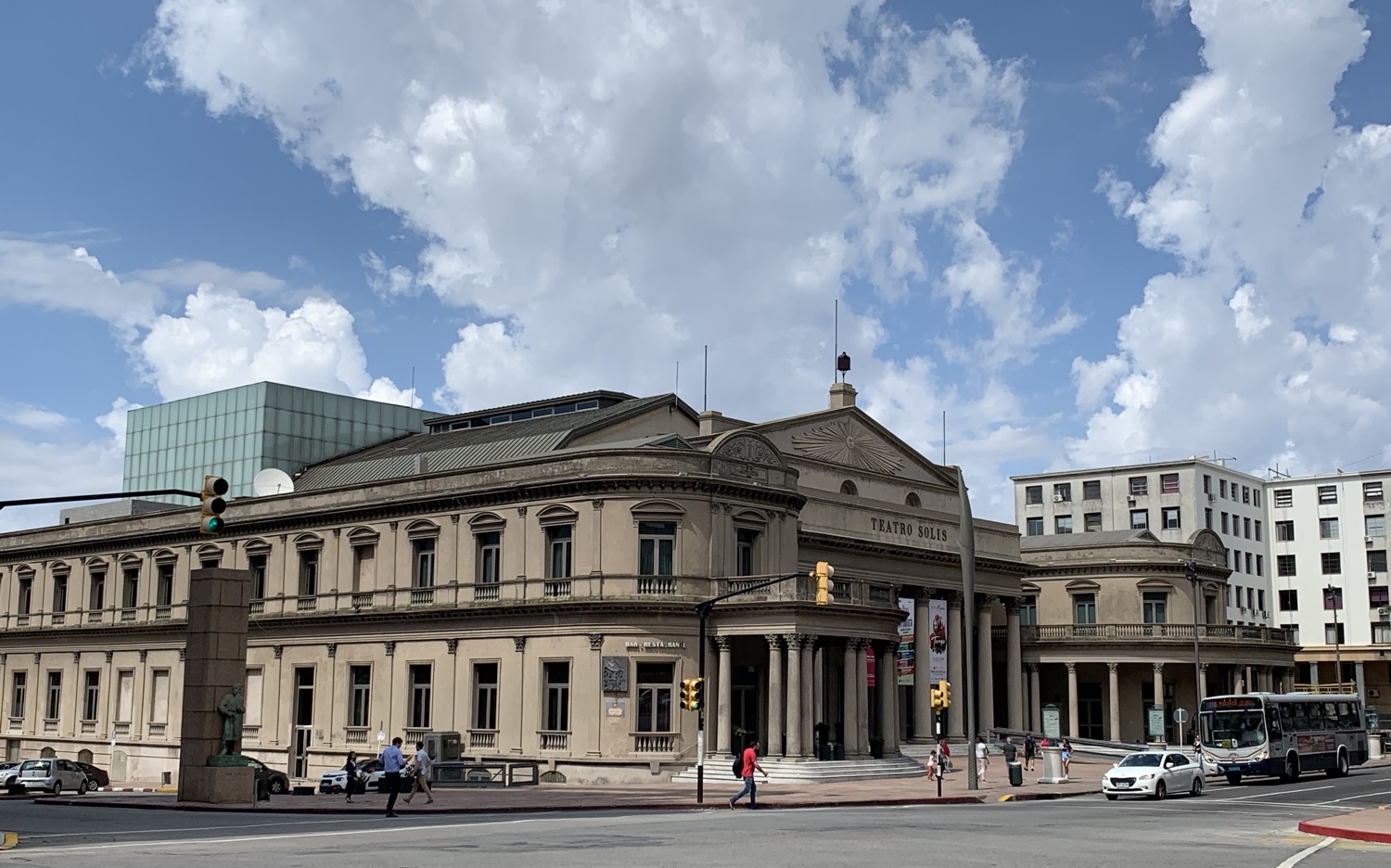
Teatro Solis
Teatro Solis

The focus of Independence Plaza is a huge statue, erected in the 1920s, of José Gervasio Artigas, Uruguay’s national hero who first had a plan for the country’s independence from Spain.
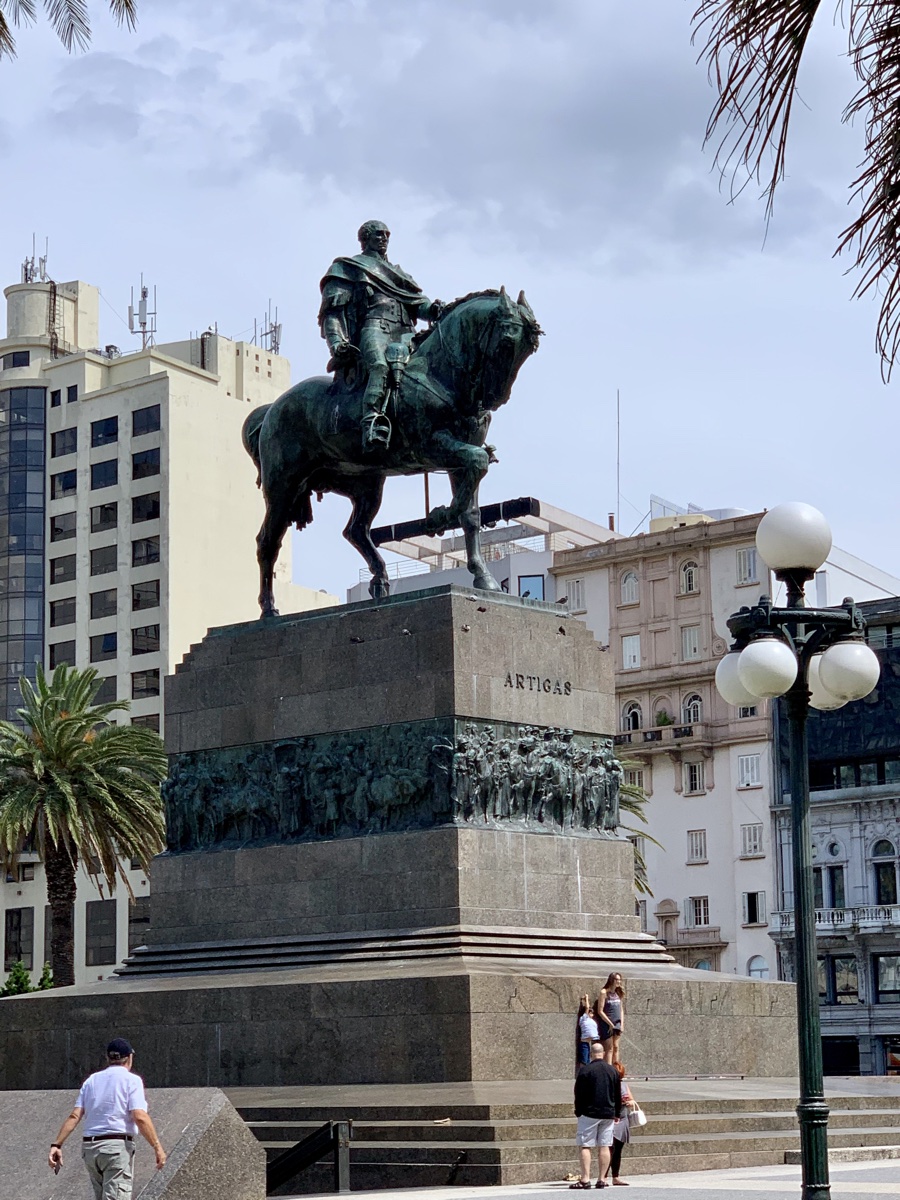
statue of Artigas

Friezes all around the statue depict the masses of people who followed Artigas. He was impressed by the government of the United States and wanted to establish Uruguay as an independent nation with a similar form of governance. After a long and complicated history involving Spain, Portugal, Brazil, and Britain, Uruguay was consolidated as an independent state in 1828, with Montevideo as the capital.

Uruguay now has a large Parliament building, the Legislative Palace, that was completed in 1925. It is made of granite and 22 different kinds of marble, all from various areas of the country.

Legislative Palace

In front of the building fly Uruguay’s national flag (left) and the Artigas flag (right).

Approximately 1 million of Uruguay’s population of 3 million people live in Montevideo. The capital city contains all the country’s colleges. University education is free, but those who live outside the capital must relocate to Montevideo to take advantage of these educational opportunities.

The main resource of Uruguay’s economy is beef. This country of 3 million people houses 12 million head of cattle.

© 2019 by Mary Daniels Brown
2 Days in Rio de Janeiro, Brazil

One and a half days, really. We docked yesterday morning, spent the night in port, and left a bit after 1:00 this afternoon. And one and a half days was nowhere near enough time to do this vibrant city justice.

Yesterday we took a walking tour of the highlights of this city, home to “nearly seven million” people, according to our guide. Originally settled by the Portuguese, Rio was the second capital of Brazil, from 1763 until 1960, when the capital was moved inland to Brasilia. The city overlooks Guanabara Bay, which offers 45 miles of beaches. It’s not unusual to see modern skyscrapers adjacent to historical buildings.

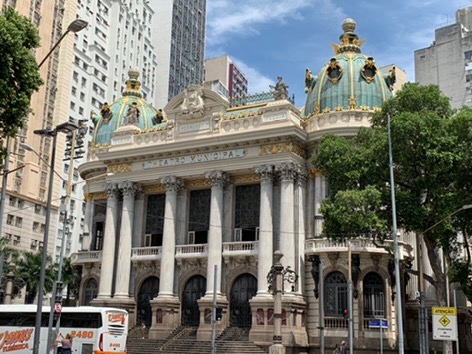
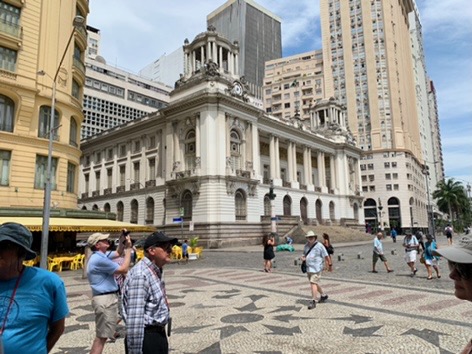
The central square contains city hall, the Bibliotheca Nacional (national library), the fine arts museum, and the French-influenced Municipal Theatre.

(Click on any photo to see a larger version.)

city hall
city hall
Biblioteca Nacional
Biblioteca Nacional
Municipal Theatre
Municipal Theatre

The plaza displays geometric mosaic designs created from tiles originally brought as ballast in ships from Portugal.

tiled plaza
tiled plaza

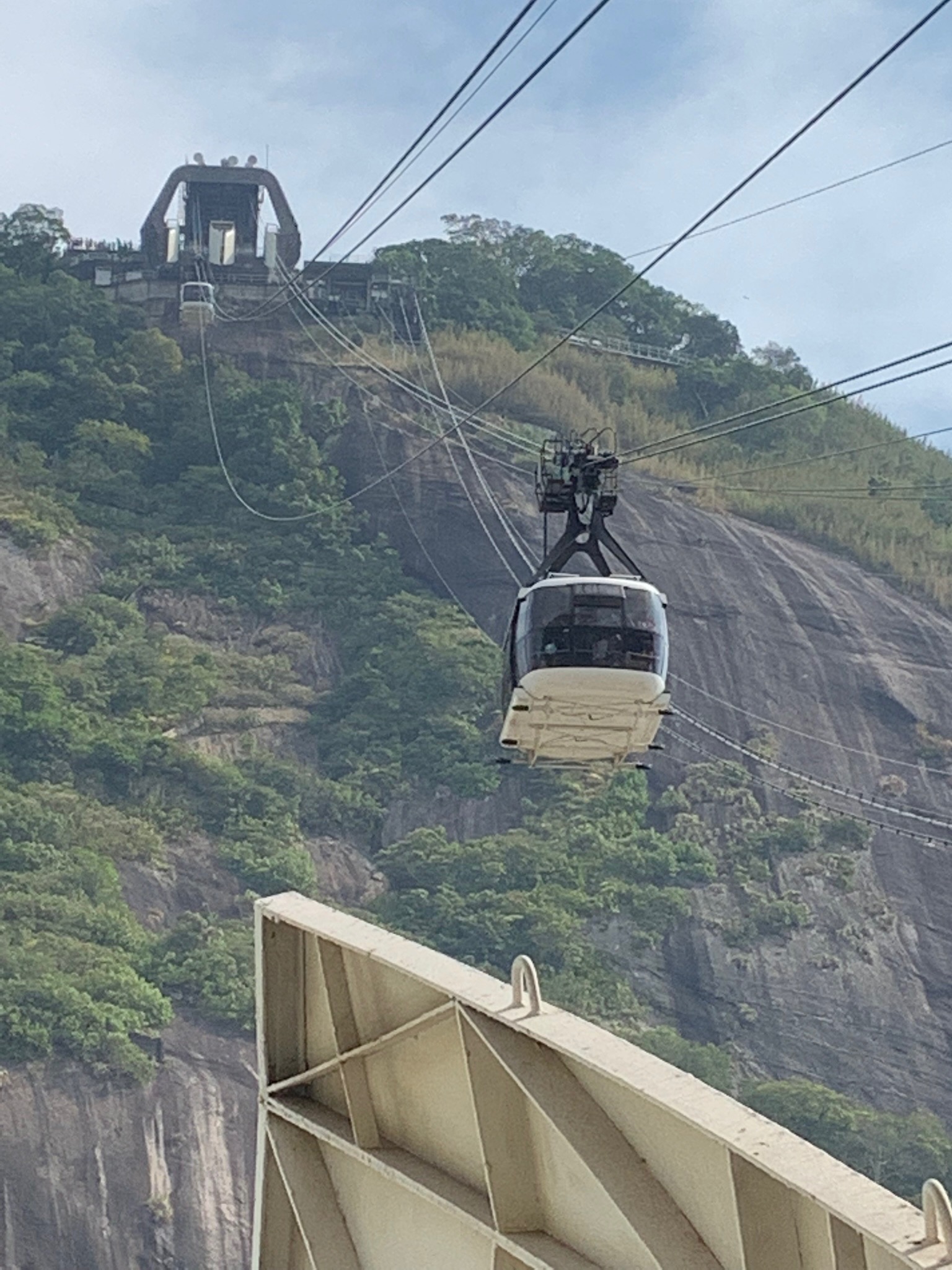
Today we ascended Sugarloaf Mountain, a conic mountain that resembles the way sugar was stored in colonial times. The trip up the mountain requires two different cable cars.

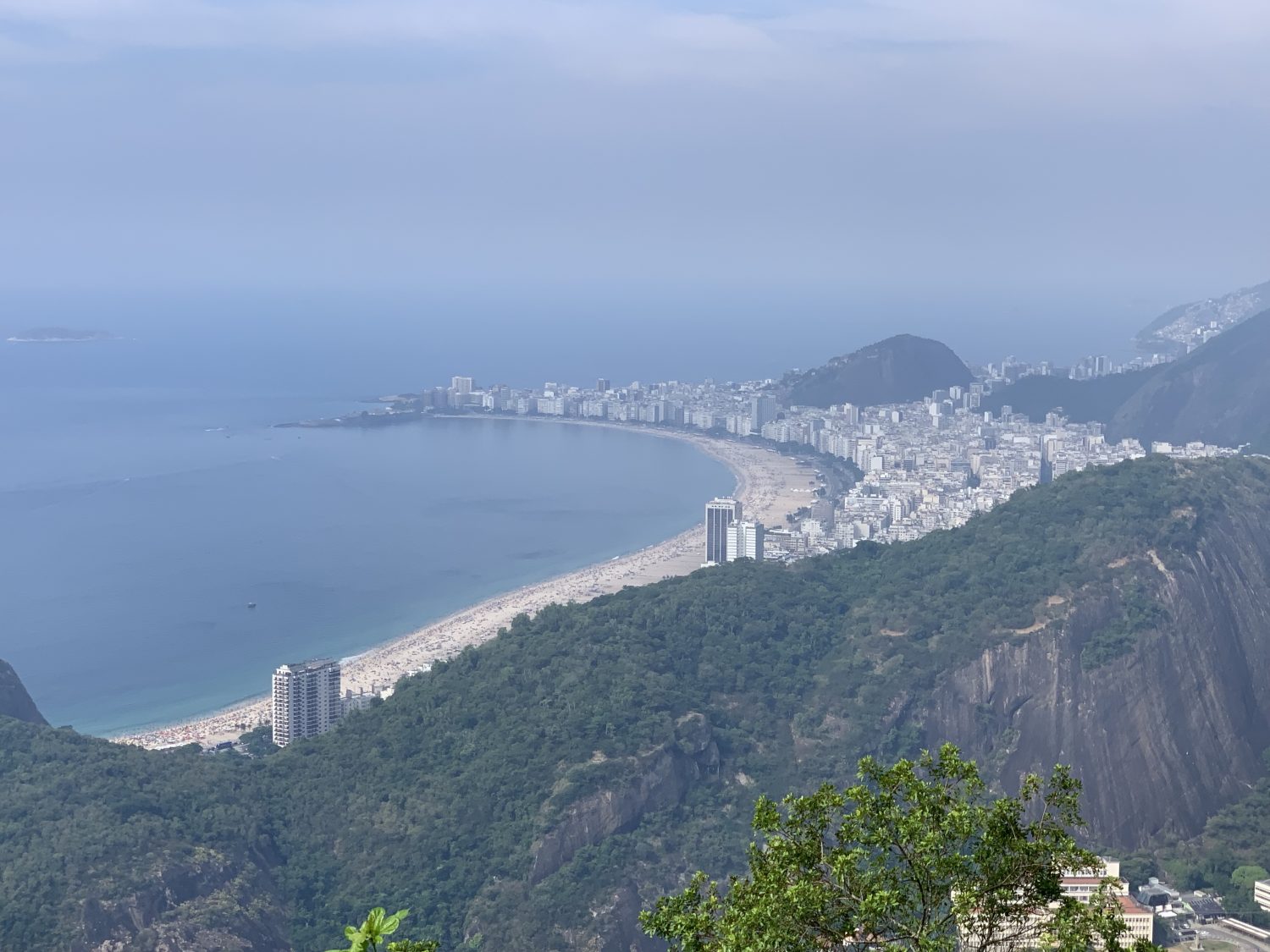
The top offers beautiful views of Guanabara Bay as well as Copacabana Beach, three miles of sand along the Atlantic side of the peninsula.

Copacabana Beach
Copacabana Beach

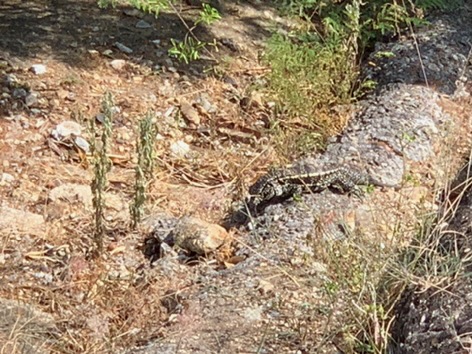
A hungry iguana joined us at the top of Sugarloaf:

On our way back to the ship we drove by the beach but weren’t able to get any decent pictures. The beach was amazingly crowded, with umbrellas and chairs about 10 deep along the water. The temperature was about 97 F, so there were paths from the beach up to the sidewalk along the street sprayed with water so beachgoers wouldn’t burn their feet. The sidewalks along the beach feature mosaics similar to those in the central plaza.

We didn’t get to visit one of Rio’s most iconic sites, the statue Christ the Redeemer that overlooks Guanabara Bay from atop Corcovado Mountain. When we first arrived in Rio, we stood on our verandah and could just see the statue far in the distance.

We had hoped to get a better view on our second-day trip up Sugarloaf Mountain, but the top of Corcovado was shrouded with fog:

After we reached the bottom of Sugarloaf, the fog had lifted enough for us to catch another fleeting glimpse.

Now we have two sea days to rest up for our next adventure.

© 2019 by Mary Daniels Brown

Armação dos Búzios

Often referred to as just Búzios, this town started out as a smuggling, slave-trading, and whaling outpost. In the mid–19th century, with the decline of whaling and the slave trade, the town changed its focus to agriculture and fishing. Descendants of natives and slaves gradually turned the town, located not far from Rio de Janiero, into an ocean getaway.

The town gained international notoriety in 1964 when French actress Brigitte Bardot visited while trying to elude the paparazzi of Rio. Búzios is now known as a tranquil resort of 23 beaches without the crowds of more popular Rio.

(Click on any photo to see a larger version.)

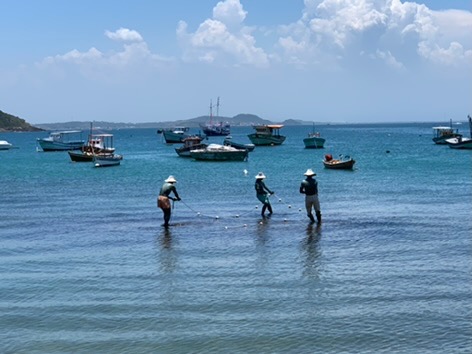
beach at Búzios
beach at Búzios
beaches at Búzios
beaches at Búzios

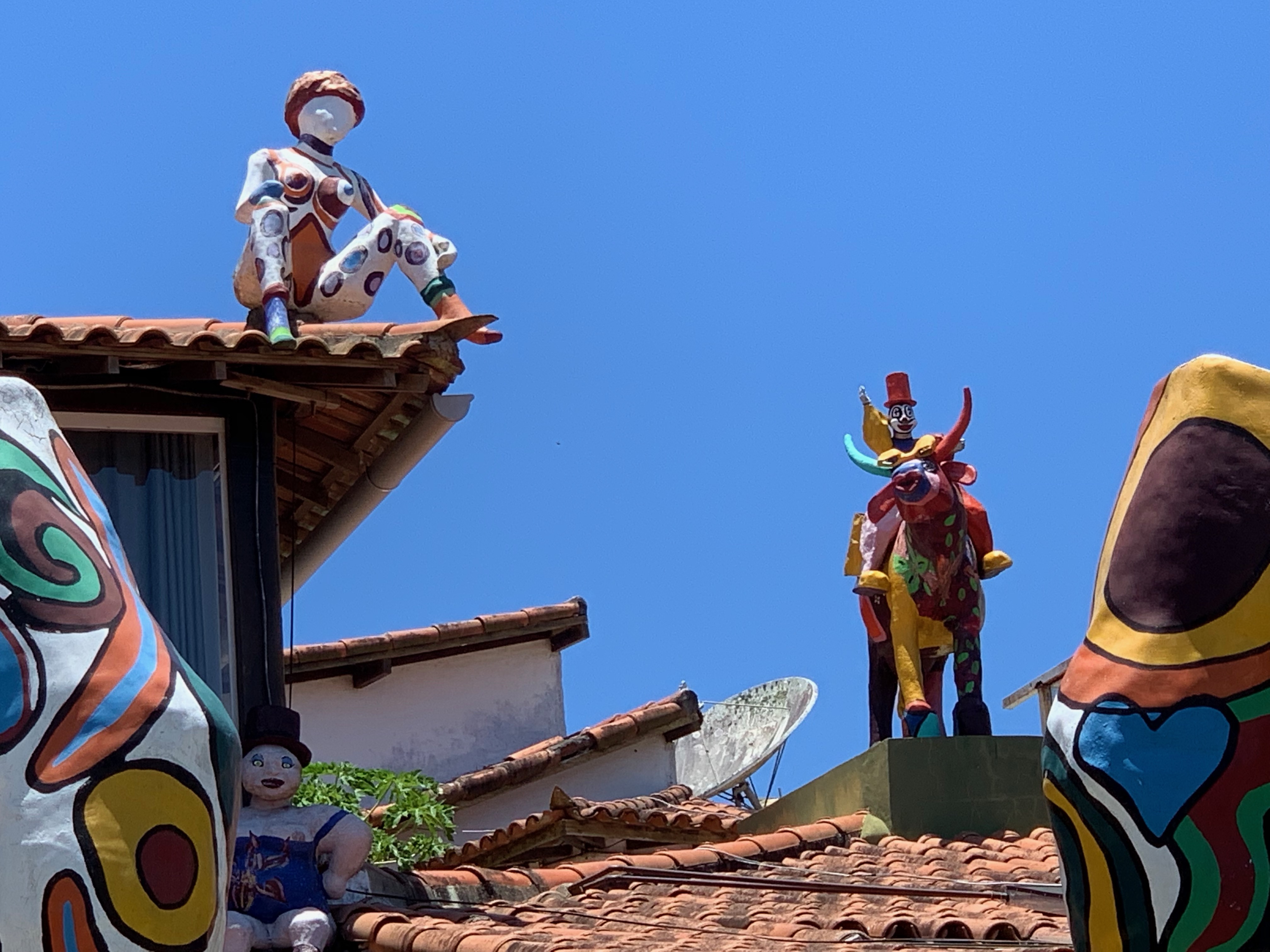
Its colorful main street, known as Rua das Pedras, contains shops, galleries, and restaurants.

art in Búzios
art in Búzios
art in Búzios
art in Búzios

Among the artwork throughout is this statue Três Pescadores, Three Fishermen, by Christina Motta.

Três Pescadores
Três Pescadores

Before returning to the ship, we enjoyed a couple of the local drinks made with muddled limes, sugar, and a local rum-like liquor made from sugar cane.

© 2019 by Mary Daniels Brown

Salvador Da Bahia, Brazil

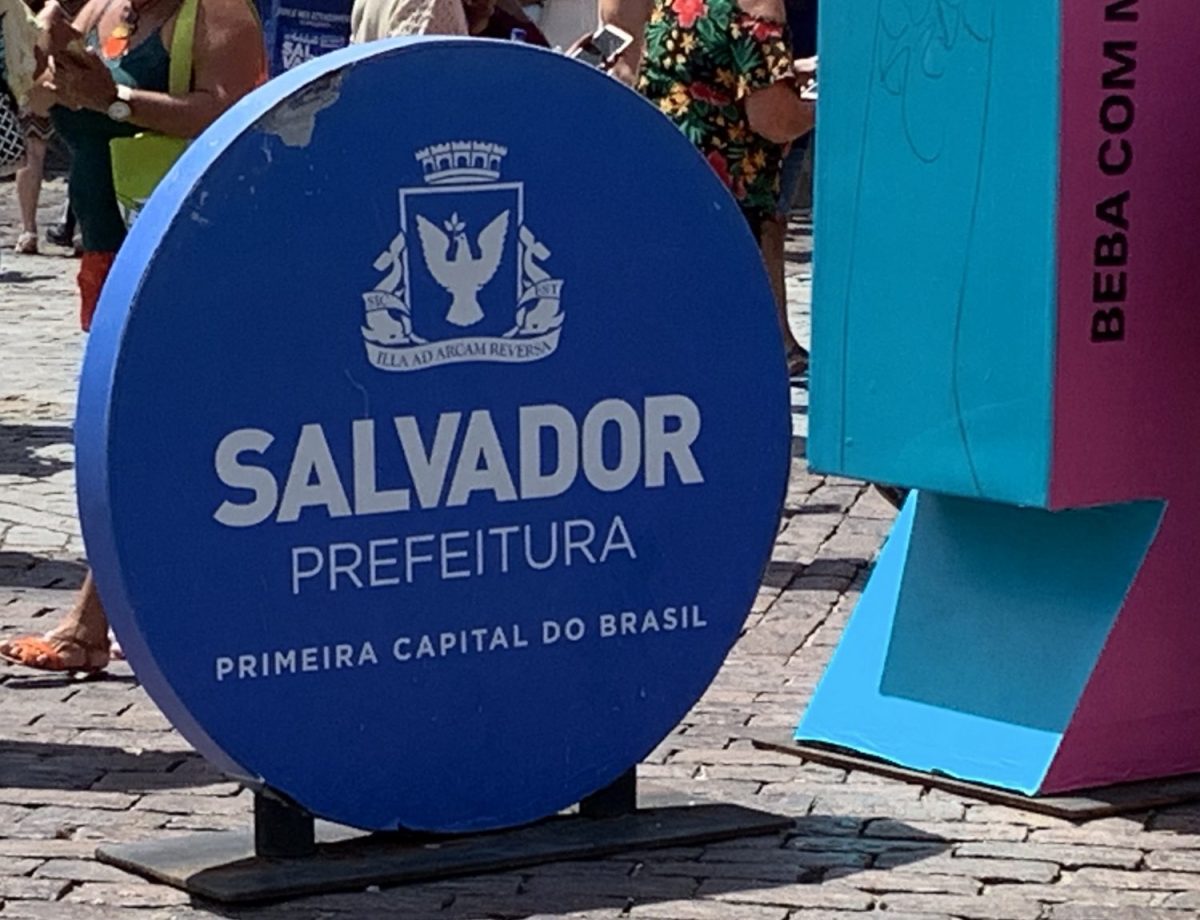
After several days at sea, today we made land at Salvador Da Bahia, Brazil. (Bahia is a state.) This city was founded in 1549 as the first capital of Brazil and remained the capital until 1763. The city was originally established on a high escarpment overlooking the Bay of All Saints, the largest bay in Brazil. The lower part of the city was built up later. The upper and lower parts of the city are connected by the levador Lacerda, first built as a cargo elevator in 1873.

(Click on any photo to see a larger version.)

elevator
elevator

At the top of the elevator we got a good view of the Bay of All Saints.

Bay of All Saints
Bay of All Saints

Our tour focused on the Upper Town, the colonial area that was named a UNESCO World Heritage Site 1985. The area continues to undergo restoration and preservation. Many of the buildings now sport pastel facades reminiscent of their colonial origin.

colorful buildings
colorful buildings

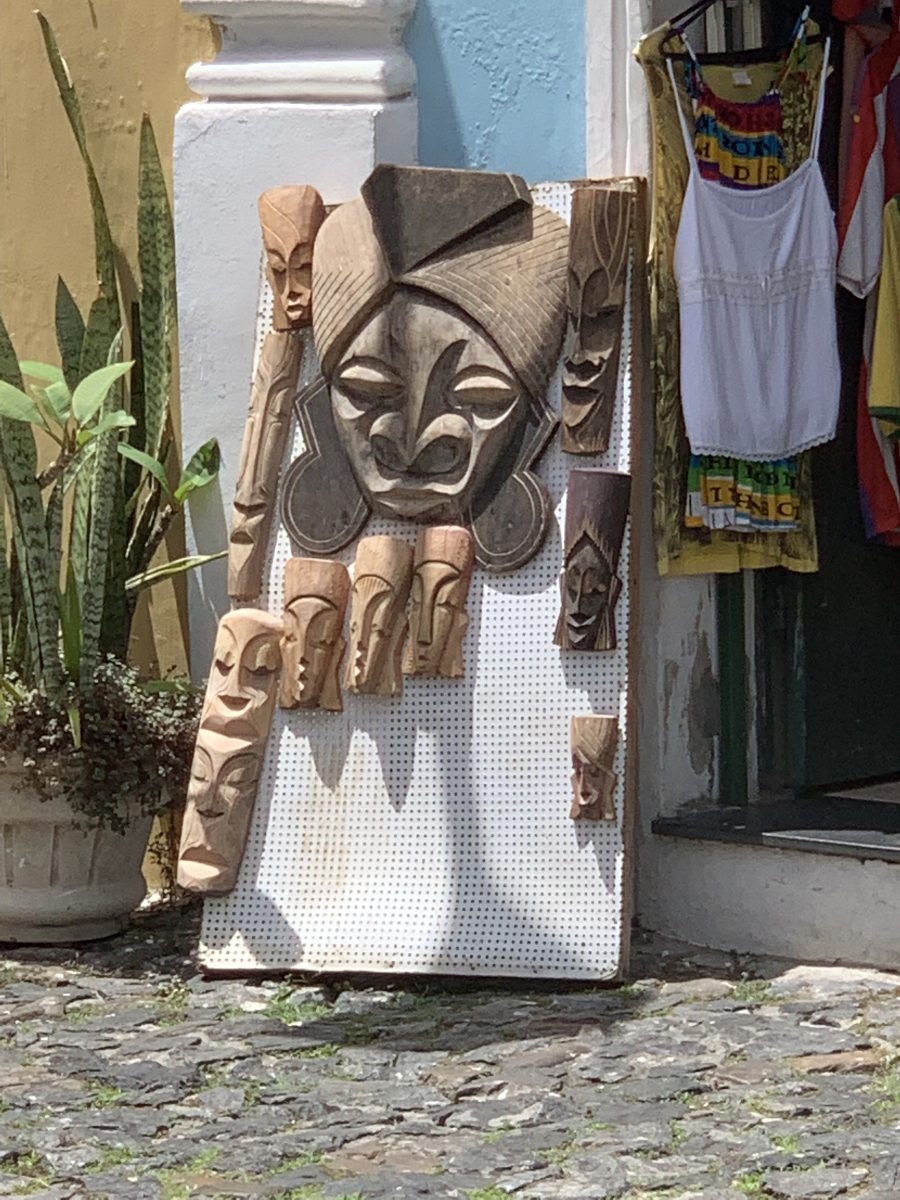
Salvador was the first slave port in the Americas, and it is estimated that over the years about five million Africans were brought over to work in the sugarcane fields and in the diamond and gold mines. As a result, Salvador has developed a religion and a culture that combines elements of native indigenous people, African slaves, and Portuguese traditions. The colorful local incorporates many African images.

African art
African art
colorful art
colorful art

Today the city contains more than 300 churches, but it also annually celebrates a religious festival in which many people, some dressed in African-inspired costumes, march four miles in procession to one of the churches. We visited on the day before the festival, so we got to see some of the costumes without having to experience the huge festival crowd.

traditional costume
traditional woman’s dress

The city still felt crowded to a lot of us. When someone asked our guide if the crowd was normal for Salvador, he said that the city was more crowded than usual for two reasons: (1) three cruise ships were in port that day, with a total of about 9,000 tourists; and (2) many people from outlying areas had traveled to the city for the annual festival.

The chief resources of Bahia are fruits, vegetables, cocoa, beef (there are more cows than people in Brazil), and oil.

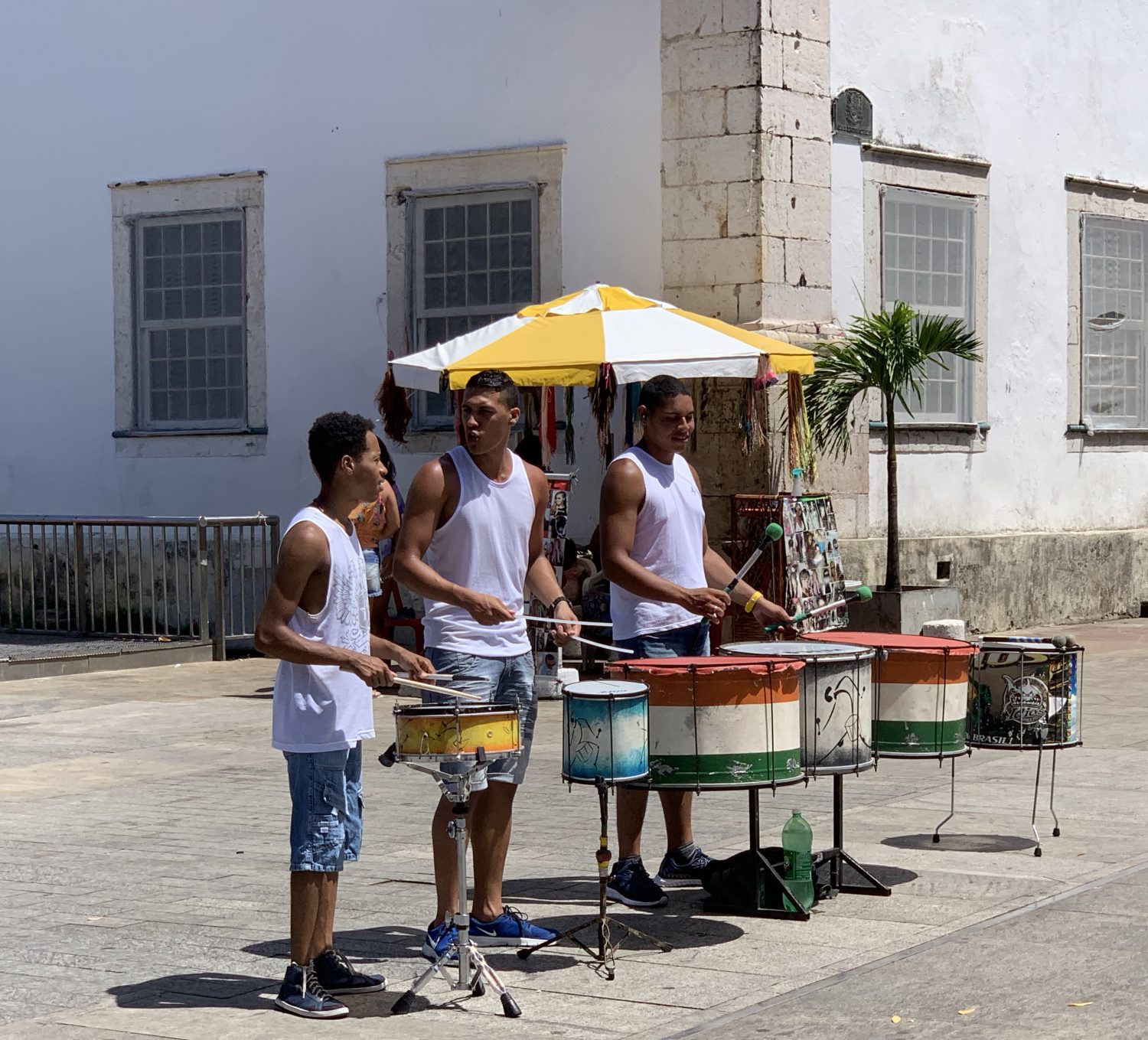
Our guide emphasized that Salvador is a city that loves music. He told us that their Carnival lasts a full week—five official days plus two extra days. We saw a lot of evidence of the love of music in the number of bands and dancers we saw. One form of local dance is an amalgamation of dance and an African defensive form of what we would now call martial arts.

men's drum band
men’s drum band
martial arts
martial arts

© 2019 by Mary Daniels Brown

St. George’s, Grenada

After a day at sea yesterday, this morning we arrived at St. George’s, capital of the island nation of Grenada. Early in its history Grenada was occupied for a while by the French but was later taken over by the British. The nation gained its independence from Britain in 1974.

Grenada comprises about 121 square miles and has a population of about 120,000. About 65% of the population is of African descent. The main sources of the nation’s revenue are, in this order, tourism, agriculture, and fishing.

Bus tours are nice because we don’t have to walk everywhere, but they lessen photo opportunities. I only got a few shots worth posting. (Click on a photo to see a larger version.)

In 2004 Hurricane Ivan hit Grenada hard. Here’s a church that was damaged beyond repair:

The island used to grow a lot of sugar cane, but because people no longer want to work in the sugar cane fields, that industry has died out. Now Grenada produces a lot of rum from imported molasses. Our tour groups were treated to a complimentary beverage, and the most popular choice was the rum punch. Let me tell you, they take their rum punch VERY seriously, with emphasis on the rum.

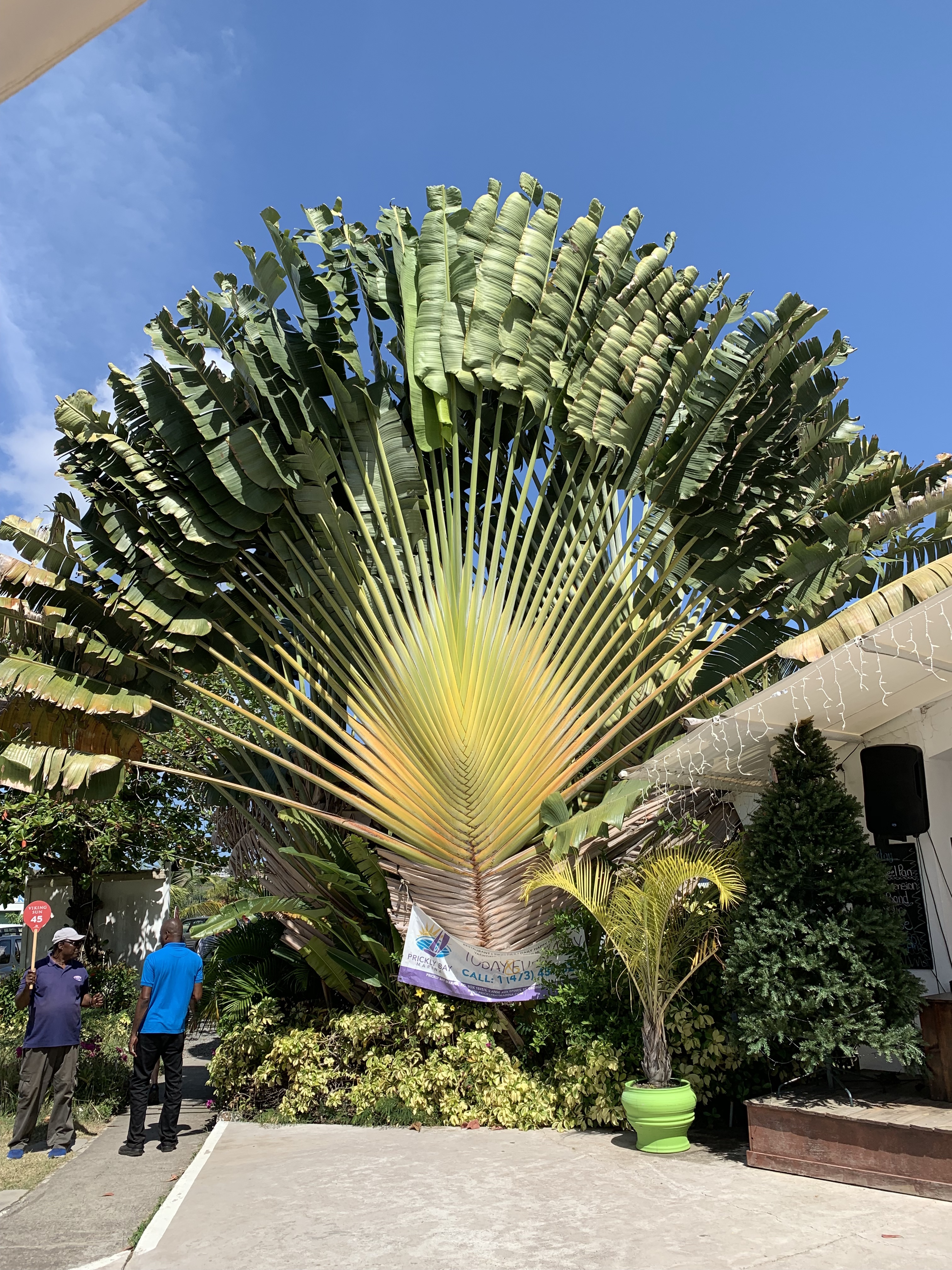
At the resort where we stopped for drinks, we also saw this traveler’s palm:

I’d never seen this kind of palm before.

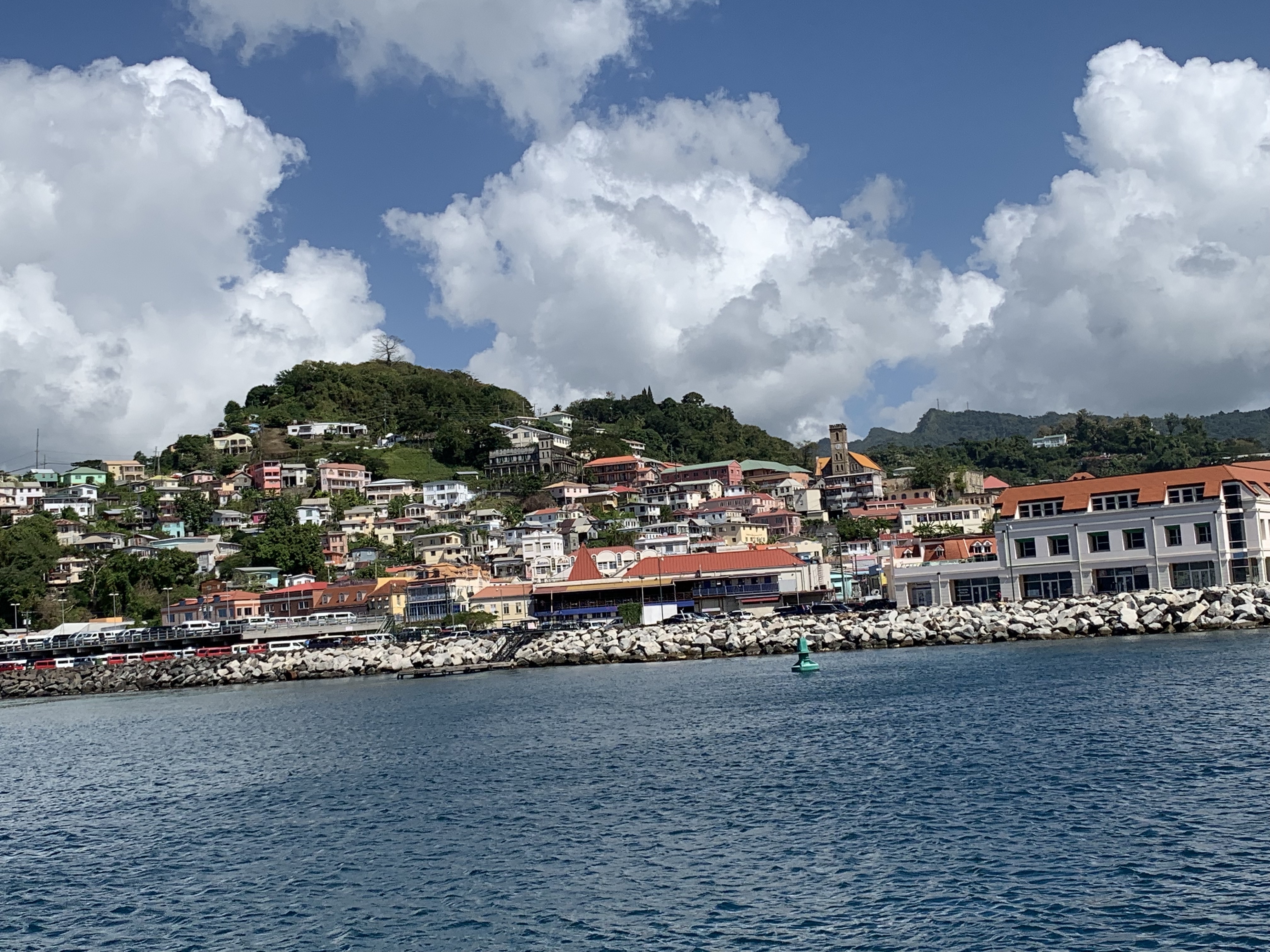
Here’s a view of the port taken from our verandah just before the ship left Grenada:

Today’s interesting fact:

It’s illegal in Grenada to wear camouflage clothing or carry camo accessories. Local authorities have a zero-tolerance policy on this issue.


© 2019 by Mary Daniels Brown

San Juan, Puerto Rico

We arrived in Miami and boarded our ship on Wednesday, January 3. The ship departed from Miami at 8:00 p.m. on Wednesday. After spending Thursday, Friday, and Saturday at sea, today we docked at San Juan, Puerto Rico.

Originally settled by the Spanish, the area is heavily Catholic. It was named San Juan in honor of St. John the Baptist. Today, January 6, in the Christian calendar is Epiphany, the day when the birth of Christ was revealed to the three kings. In San Juan, the day is a holiday known as Three Kings Day. Our guide said, “Here in Puerto Rico, we celebrate Christmas longer than just about anyone else in the world.” He said that their celebration would end in a couple of weeks. Sure enough, later we were in a store and heard “I’m Dreaming of a White Christmas” playing.

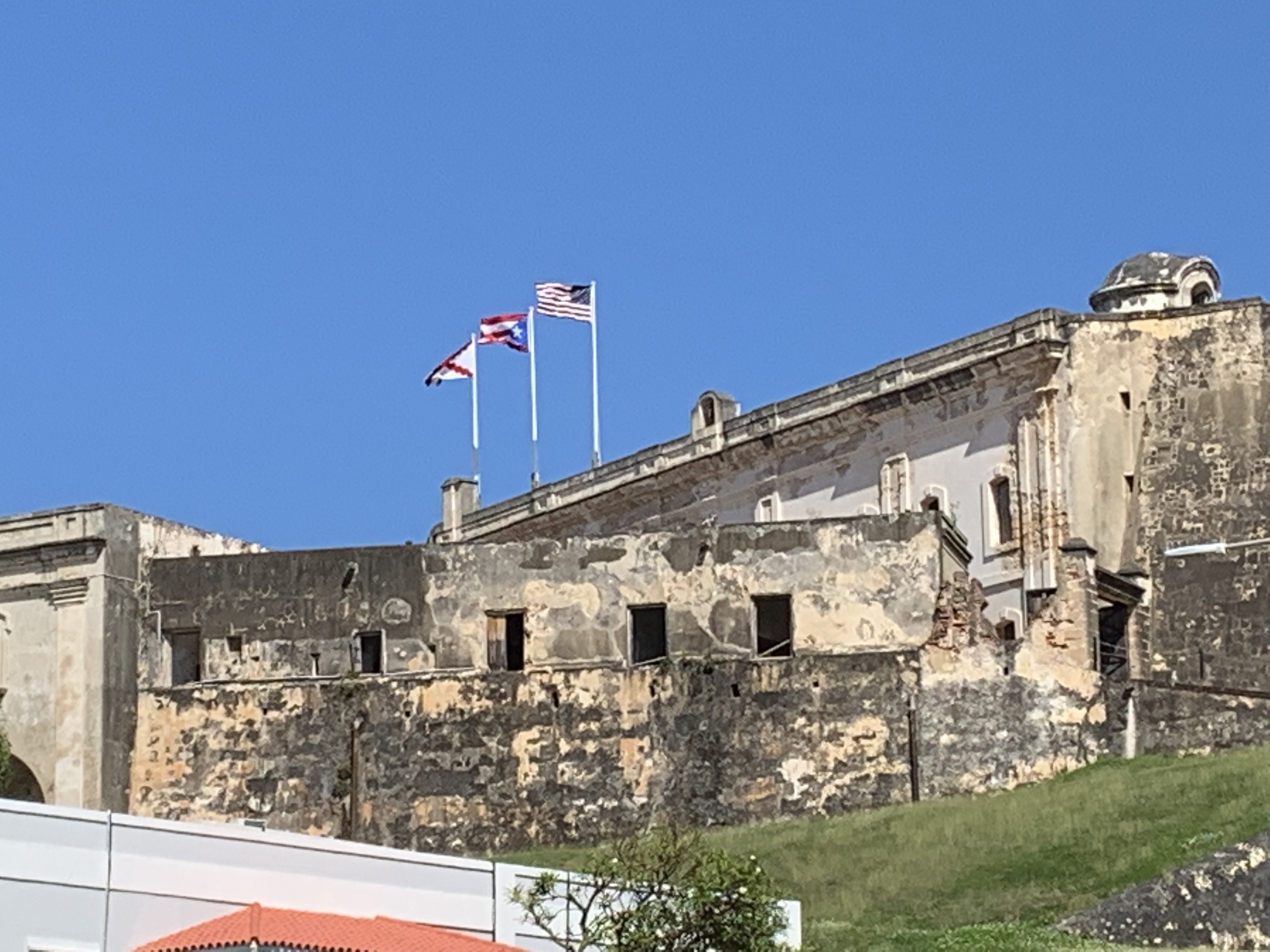
On our two-hour walking tour of Old San Juan we visited a fort that’s a San Juan National Historic Site maintained by the U.S. Department of the Interior.

(Click on any image to see a larger version.)

This historic site flies three flags: the Burgundy cross (symbol of the Spanish empire when San Juan was settled, the flag of Puerto Rico, and the U.S. flag.

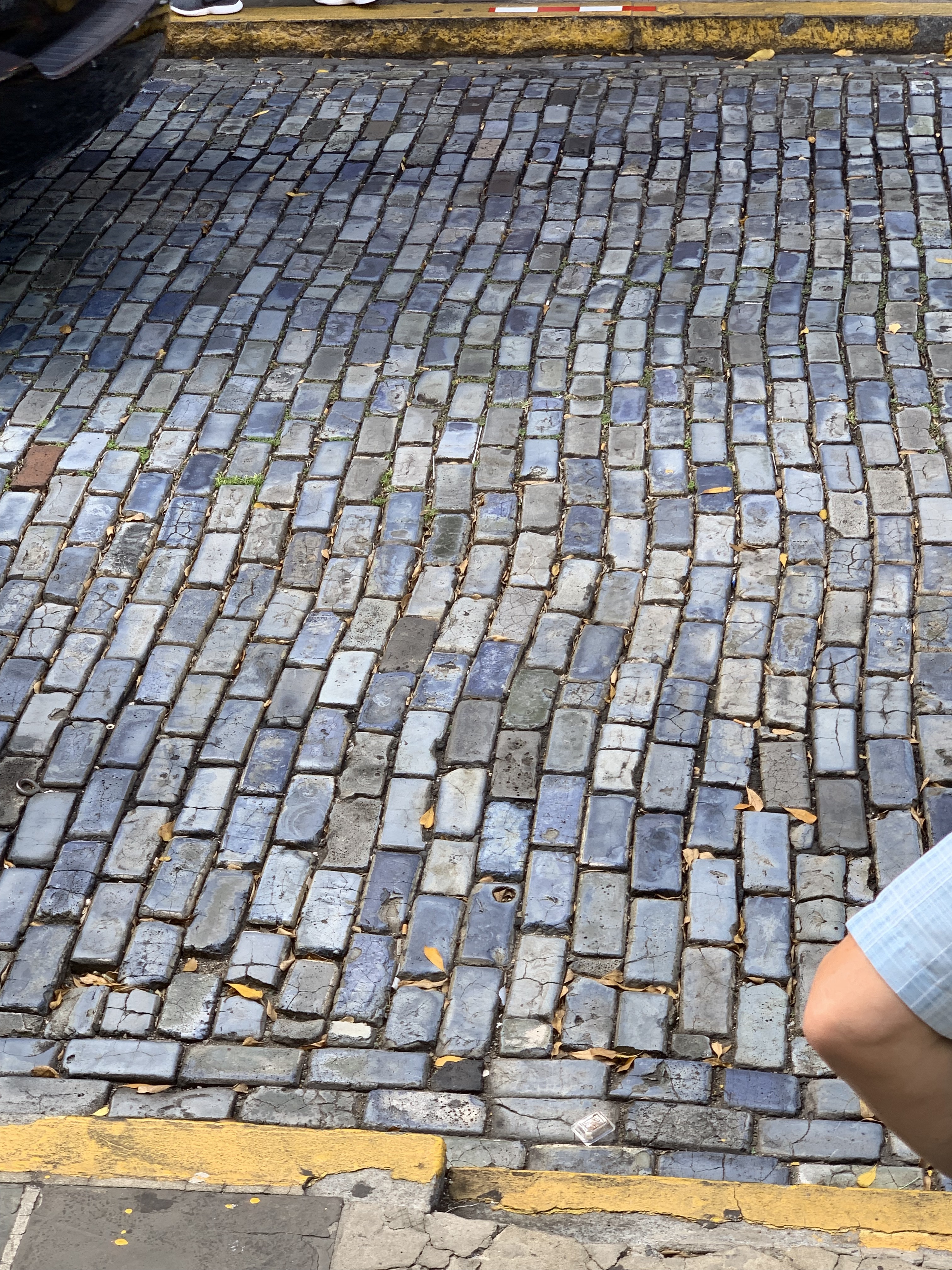
Many of the streets in Old San Juan are paved with blue stones that served as ballast in the Spanish galleons that brought goods and settlers to the region.

We all had to grab our hats to keep from losing them in the strong wind. When someone commented on the wind, our guide said, “Yes, it’s windy. These are the trade winds that powered ships across the Atlantic.”

Not far from our ship lay a replica of the Santa Maria, the largest of Columbus’s three ships.

San Juan, Puerto Rico

Christopher Columbus holds a place of honor in Old San Juan’s center:

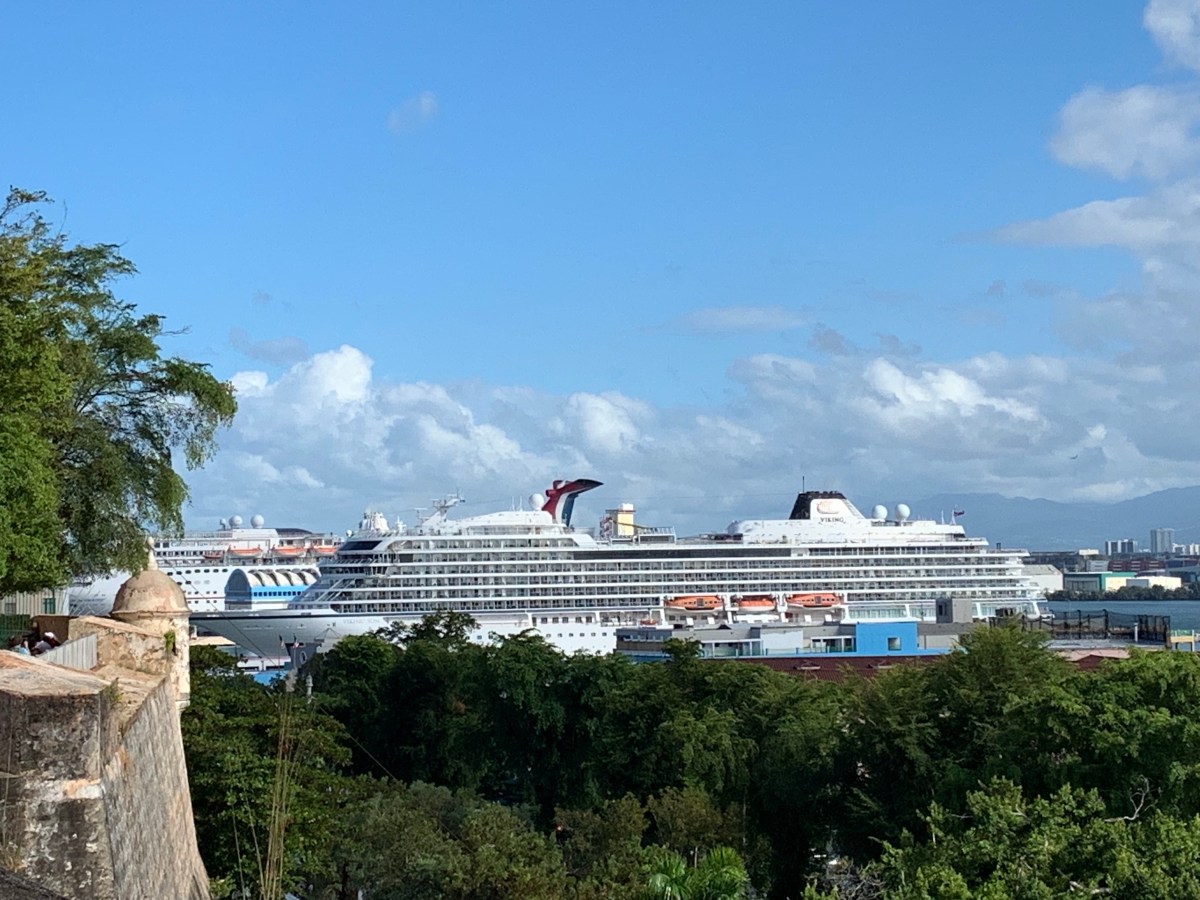
The beautiful Viking Sun docked in Old San Juan (please ignore the Carnival logo in the background):

© 2019 by Mary Daniels Brown
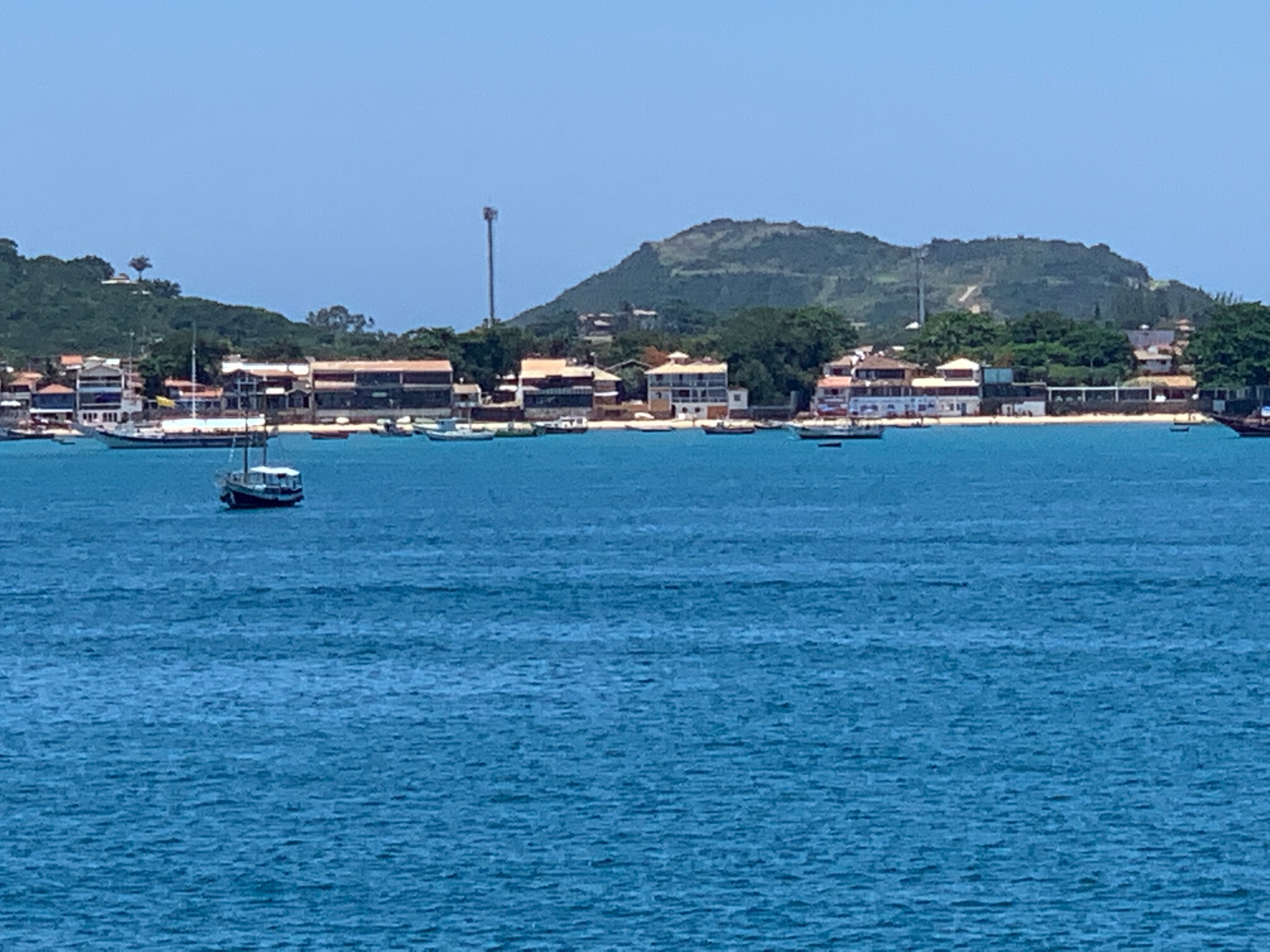
A 2019 Book-Lovers International Travel List | Off the Shelf

At my previous job, I was fortunate enough to travel to international book fairs and visit bookstores. When I travel now for fun, the impulse sticks: find the best local bookstores, and buy at least one book. The list below is based partly on countries I’ve found myself in over the last few years and partly on my destination wish list. Join me in 2019 as I try to discover more foreign authors and beloved books, and hopefully get the opportunity to pack a few bags for some on-site explorations.

Source: A 2019 Book-Lovers International Travel List | Off the Shelf

Three Things Thursday

Thanks to Natalie for hosting Three Things Thursday, “three things big or small, that have made you happy this week.”

Three Things Thursday

(Click on any photo to see a larger version.)

One

One thing that fascinates me is how words can be used to manipulate meaning. Prunes have gotten such a bad name because … well, you know. So why not call them something else:

dried plums

Sure, you see the word prunes on this bag, but the phrase dried plums is bigger so you’ll notice that first and maybe overlook the fact that this bag actually contains prunes.

Be honest now: Wouldn’t you much rather admit to eating dried plums than to eating prunes?

Two

The activities director at our retirement community has planned a great trip to Oregon for us to view the total solar eclipse next month. We’re so excited! We even bought some special glasses for watching the eclipse safely.

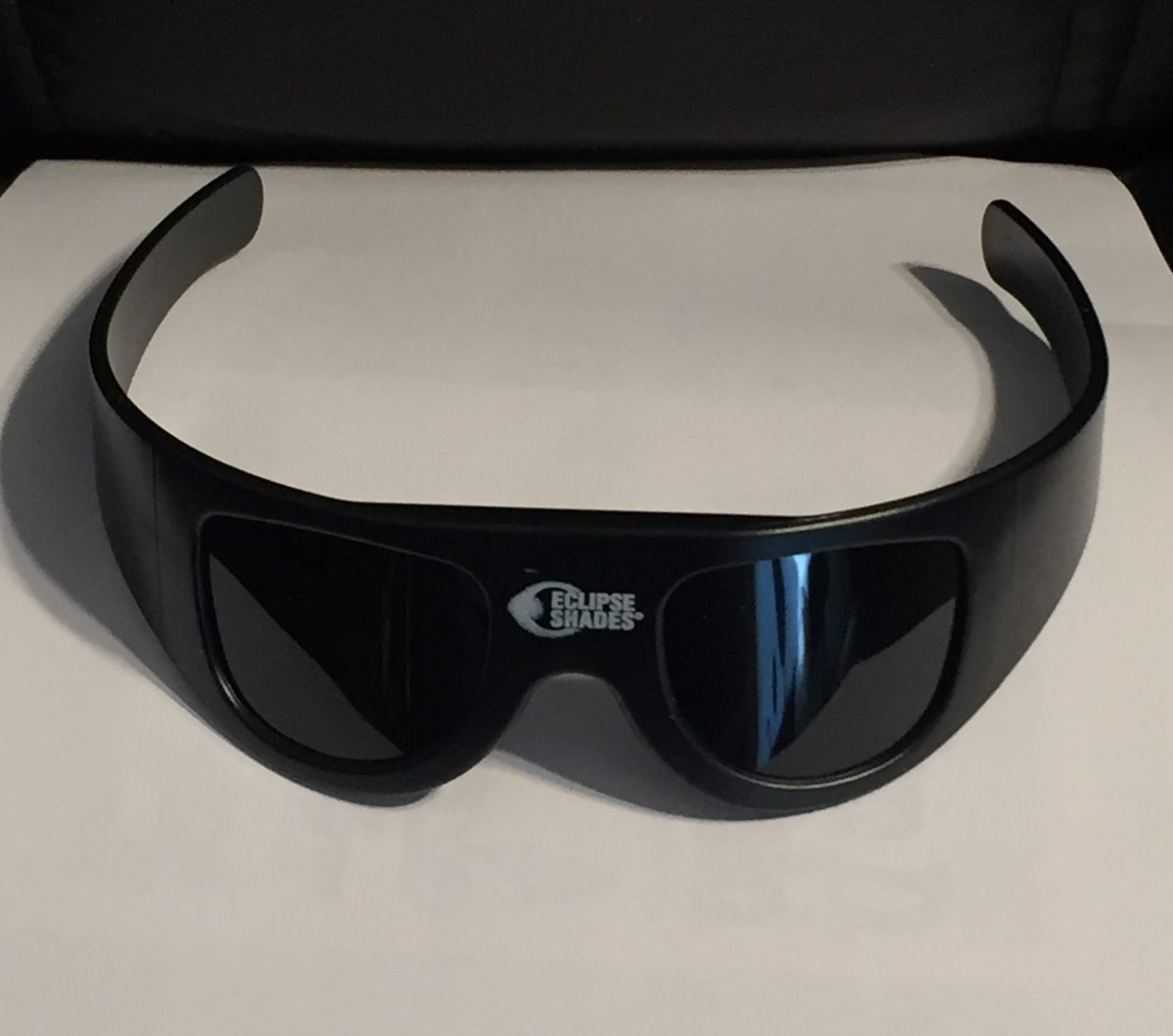
These are my husband’s glasses, which he plans to wear over his eyeglasses:

eclipse-viewing glasses

I won’t be wearing mine over eyeglasses, so I opted for the wrap-around style:

eclipse-viewing glasses

Which one of us do you think will be more fashionable?

Warning!

Do NOT view the eclipse with regular sunglasses.

The glasses pictured here are specially made for eclipse viewing.

The American Astronomical Society has information about the eclipse, including eye safety, here.

Three

If Mount Rainier erupts in the near future, we can say, “I saw this coming”:

Mount Rainier with plume-like cloud

I hope you all have a remarkable week between now and next Thursday.

© 2017 by Mary Daniels Brown
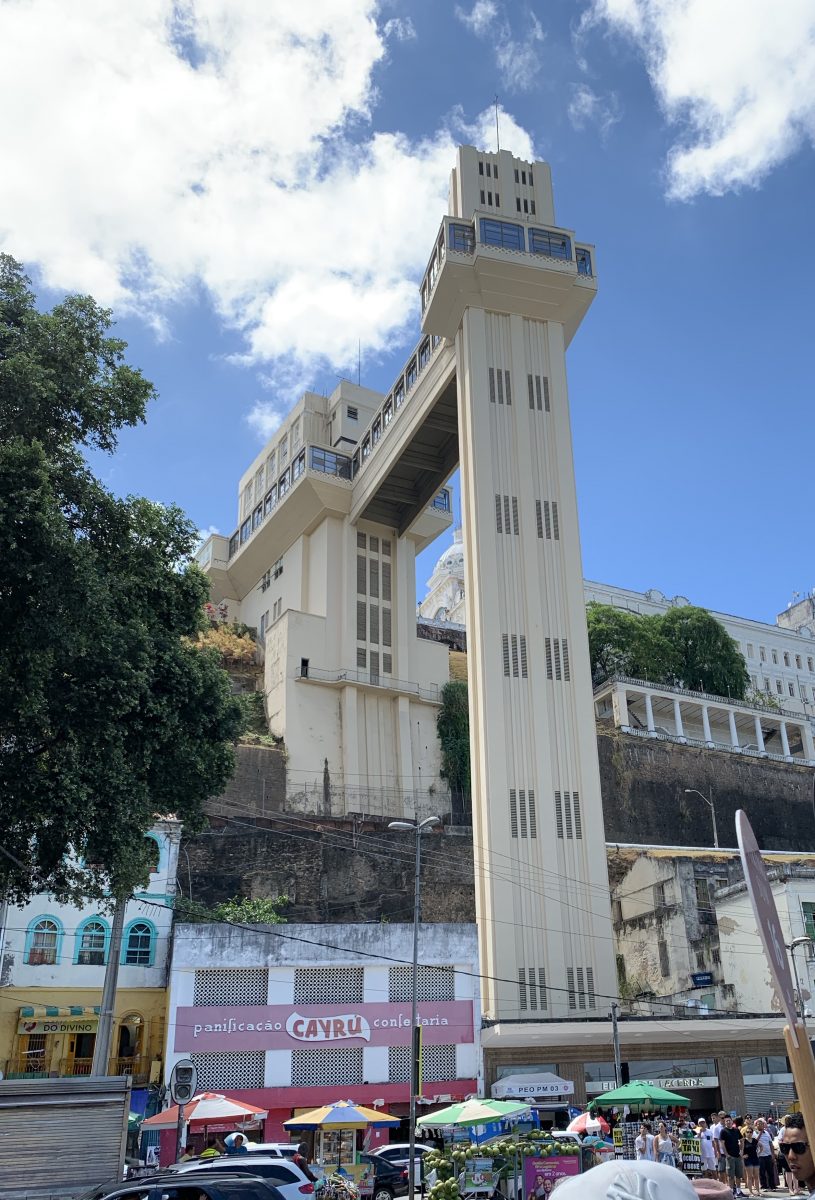
Last Week’s Links

85-Year-Old Marathoner Is So Fast That Even Scientists Marvel

A portrait of Ed Whitlock, age 85:

Having set dozens of age-group records from the metric mile to the marathon, Whitlock remains at the forefront among older athletes who have led scientists to reassess the possibilities of aging and performance.

The article looks at some factors that may have contributed to his peak performance level at such an age.

Paper Calendars Endure Despite the Digital Age

You’ve heard people say, “My life is on my phone.” Part of that life, presumably, is their calendar. But, perhaps counterintuitively, paper calendars continue to thrive in the digital age. While the use of desk-pad and wall calendars has declined, paper planners and appointment books “grew 10 percent from 2014–15 to 2015–16 to $342.7 million.” Decorative calendars also continue to grow in popularity.

Older adults in ED face increased risk of long-term disability: Study

A Yale University study has found that older adults who go to the emergency department, or ED, have an increased risk of disability or decline in physical abilities up to six months later.

I’m not sure what to make of the report of this study. I would think that people who visited an emergency department would be sicker than patients who didn’t. Therefore, it doesn’t surprise me that the ED patients “have an increased risk of disability or decline in physical abilities up to six months later.”

Am I missing something here? The results were published in the Annals of Emergency Medicine.

Retiring travel writer picks 5 spots you must see in your lifetime

Detroit Free Press writer Ellen Creager boils down a career of travel to these quick tips.

Creager’s #2 is also #2 on my bucket list of places to visit: the Grand Canyon.

My #1 place is Stonehenge. Hers is Paris, which I also look forward to visiting.

What About You?

What are the top one or two places to visit on your bucket list?


© 2017 by Mary Daniels Brown

Three Things Thursday

Thanks to Nerd in the Brain for the weekly challenge Three Things Thursday:

three things that make me smile: an exercise in gratitude – feel free to steal this idea with wild abandon and fill your blog with the happy

Three Things Thursday

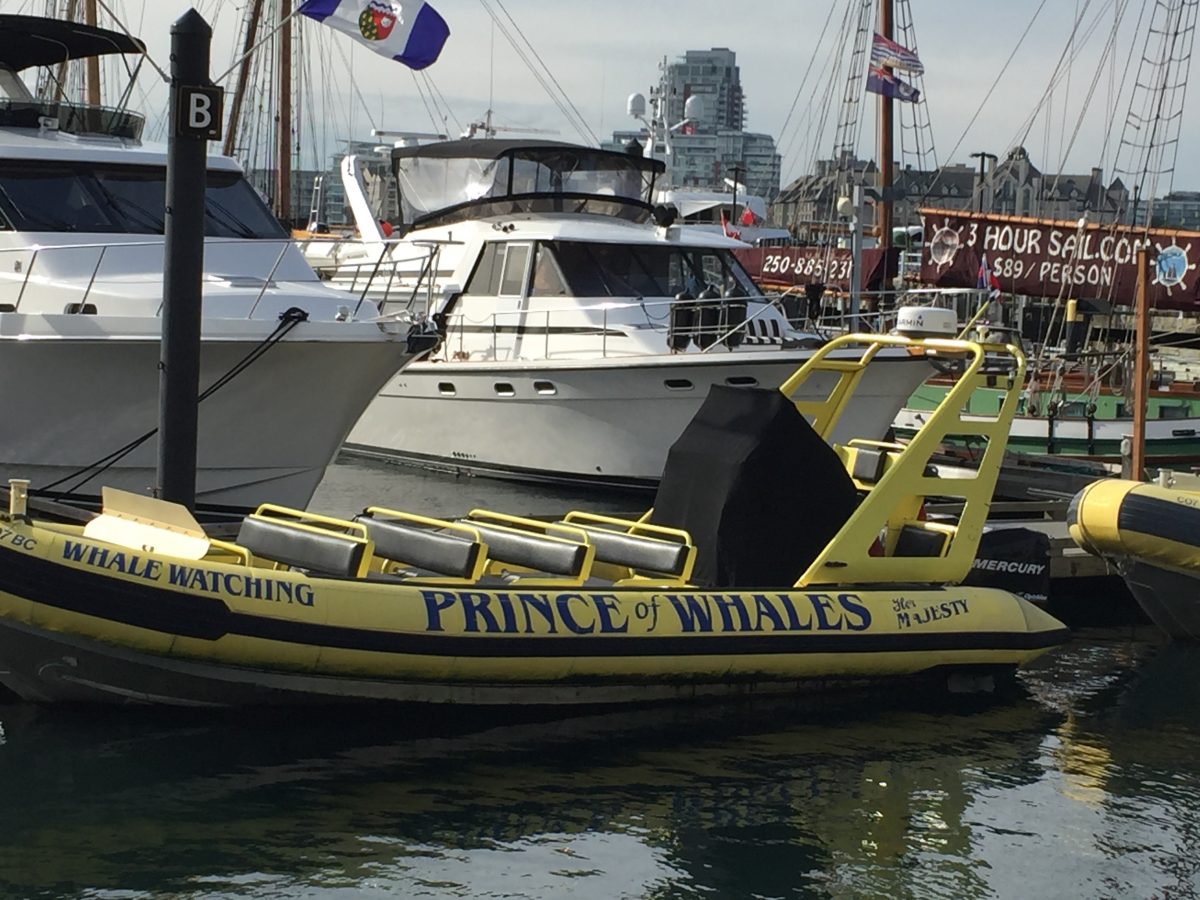
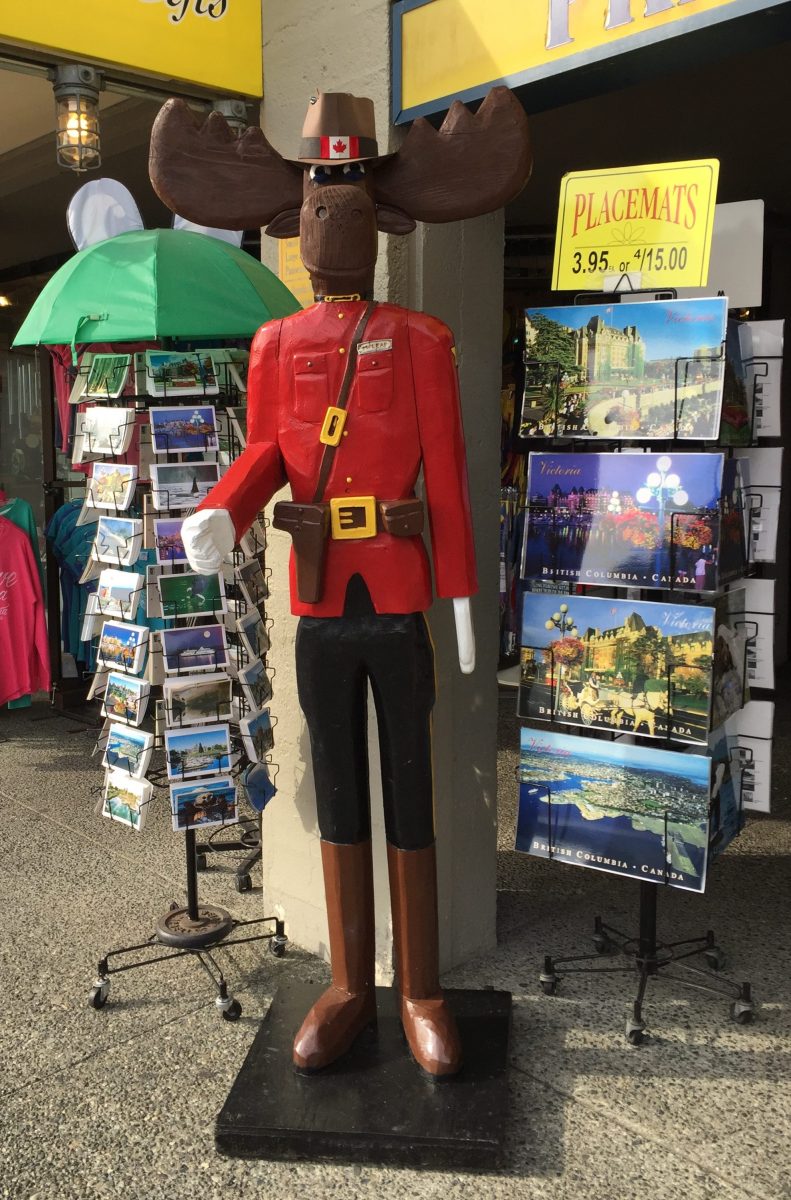
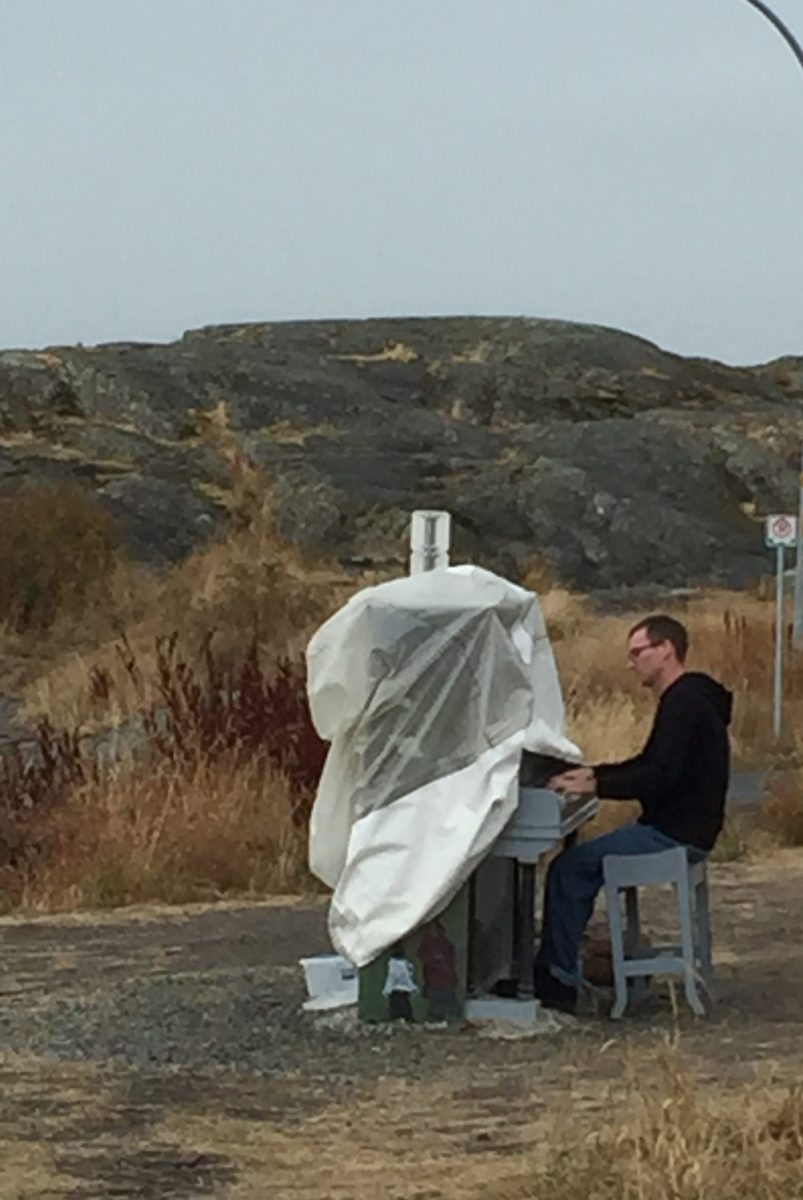
Last week we took a trip to Victoria, BC, with a group from our retirement community. There’s so much to see and do there, but today I’ll focus on three things that amused me.

(1) I love puns

Boat: Prince of Whales

I make no apology for this personality quirk.

(2) Mountie Moose

Moose Mountie

Royal Canadian Mounted Moose

(3) Piano Alfresco

outdoor piano

On our bus ride along the scenic route, we noticed a couple of pianos in plastic covers along the sidewalk. When we stopped along the way at a photo opportunity, a young man walked over to the nearby piano, unzipped the plastic cover, and sat down and played for a few minutes. Then he rezipped the cover and walked on his way.

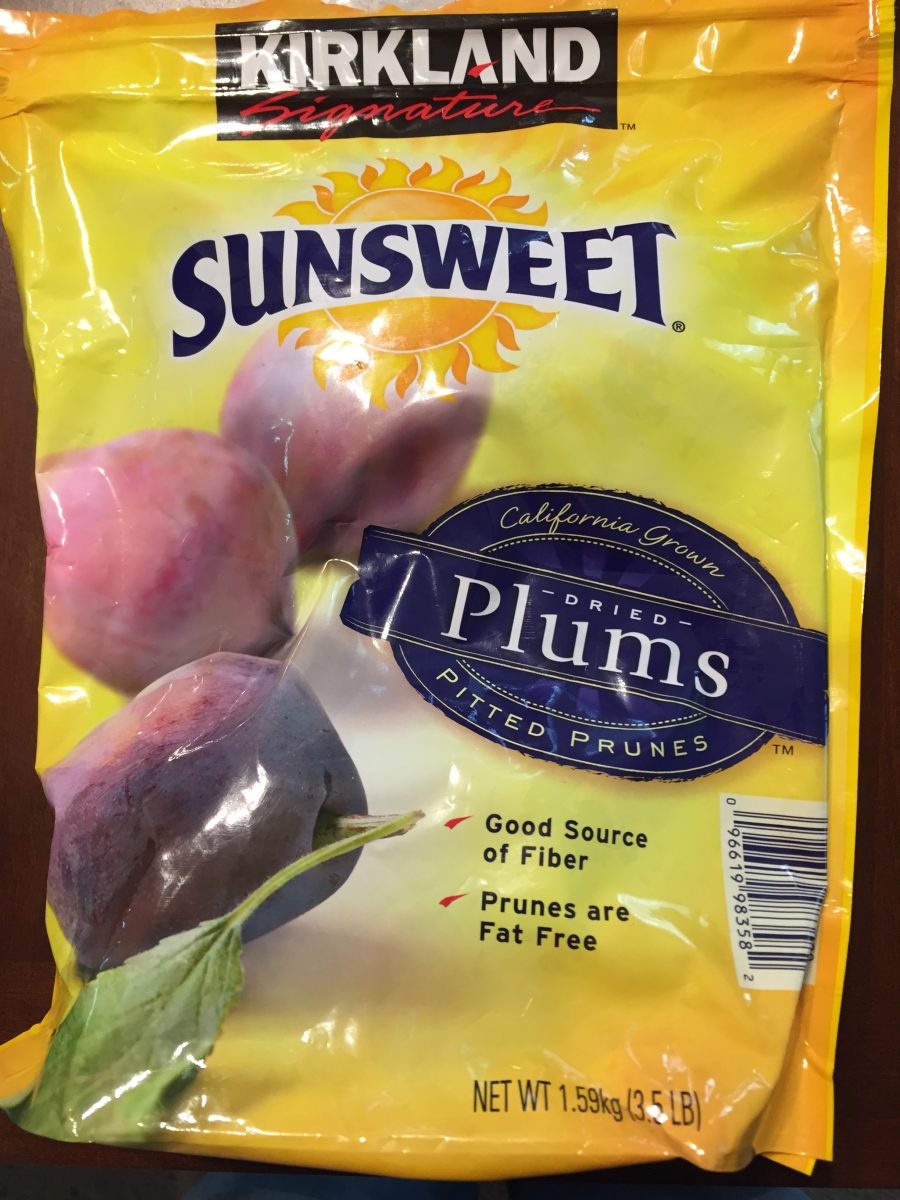
Apparently these pianos are set out just so anyone who wants to can stop and play for a while. I’ve never seen anything like this before. What a great idea!

Until next time, I hope everyone has a great week.

© 2016 by Mary Daniels Brown