146th Pacific Ave
Spanaway, WA 98444
(253) 536–8100
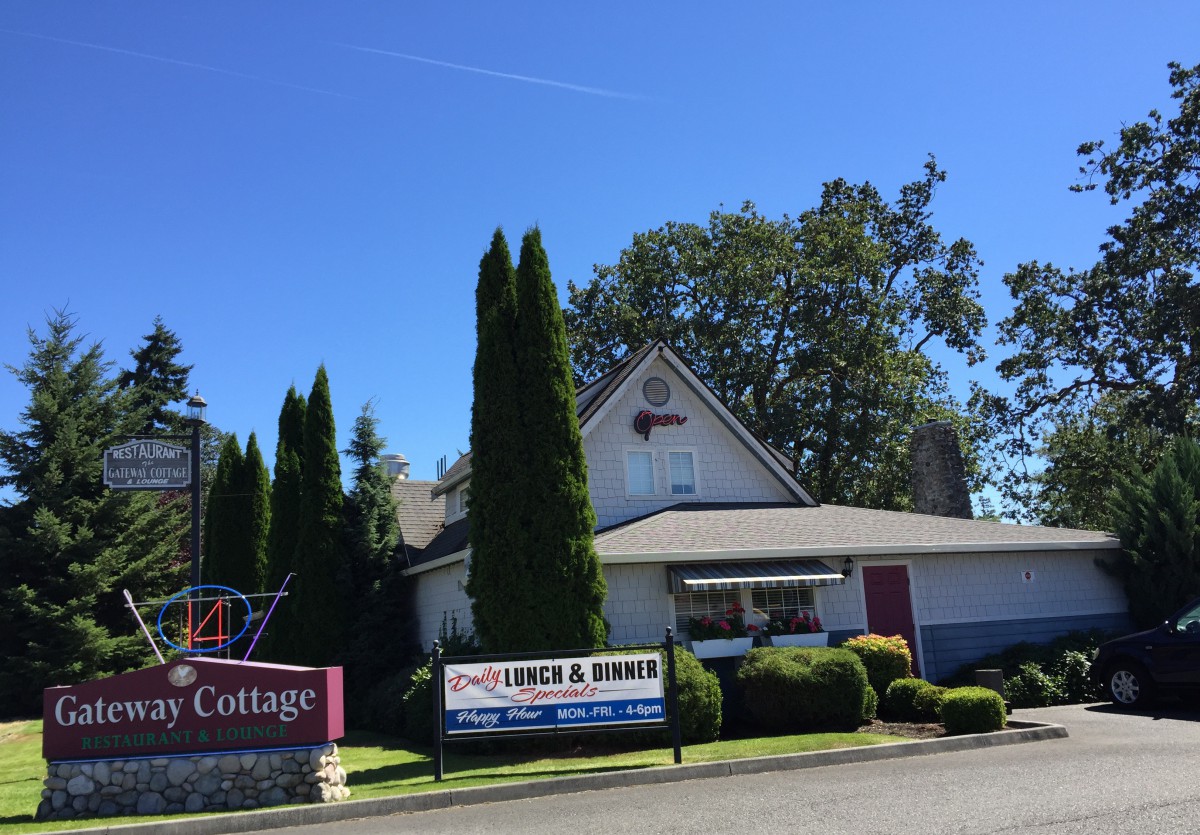
Friday was our monthly Lunch Bunch outing. This time we went to a local favorite, the Gateway Cottage Restaurant & Lounge, located not far from Pacific Lutheran University. This restaurant is so popular with local folks that a waiting list formed for the trip, limited to 20 by the size of our bus.
Probably the restaurant’s popularity with local folks arises from its historical provenance. In 1890 retired U.S. military officer Captain Ludlow and his wife established the 80-acre homestead of Orchard Hill. Years later, George and Amy Jensen purchased 10 acres of Orchard Hill. In addition to expanding the Ludlow home, the Jensens built a guest cottage on the property, which was known as the Tacoma Silver Fox Farm in the 1920s and 1930s.
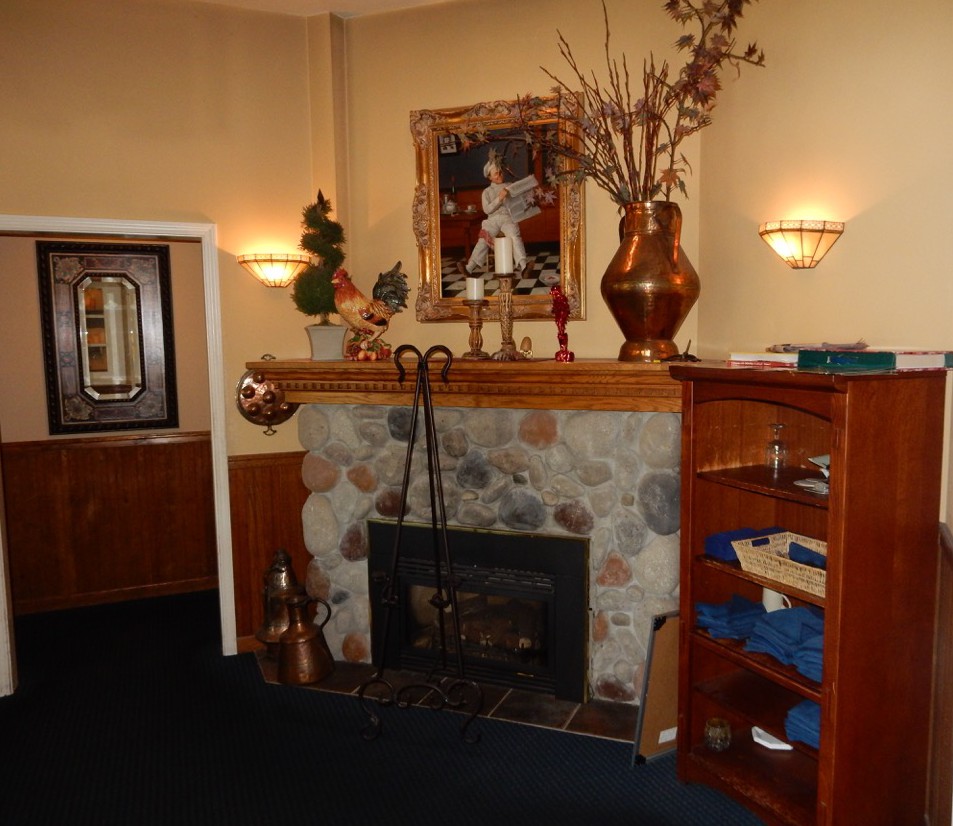
The Gateway Cottage restaurant opened in 2000, after owner Lynda Hogan spent two years renovating the dilapidated cottage. She filled the remodeled cottage with artwork she had collected while working at Corinthian Studios, an antiques store in downtown Tacoma that’s now closed. The artwork and furniture give the interior a comfortable, homey feeling.
Gateway Cottage interior
(Click on images to see a larger version.)
The exterior courtyard garden, with its large trees, is also inviting. Gateway Cottage often hosts PLU graduation parties and other events there.
Gateway Cottage: Back
Hogan and her ex-husband, Walter Hogan, started one of Tacoma’s best known restaurants, Stanley & Seafort’s, in the early 1970s. They owned it for about five years before selling it to Restaurants Unlimited.
Gateway Cottage is open for lunch and dinner Monday through Friday and dinner on Saturday. Friday’s lunch menu featured lots of salads, sandwiches, and soups. The couple next to us both had Reuben sandwiches, which were so generously stuffed that each took home a half sandwich for Saturday’s lunch. My husband and I had the sirloin steak, which was cooked medium-rare, just as we had both ordered it. The accompanying vegetables—fresh yellow and zucchini squash, yellow peppers, and broccoli—were tasty, as was the creamy seafood chowder.
I always marvel at how well restaurant servers handle our luncheon groups, which require lots of separate checks for couples and singles. Our group this Friday was particularly large, yet the service was good and our waitress handled the many separate checks with grace.
I’m looking forward to going back to Gateway Cottage some evening to check out its dinner menu.
A Google search reveals that Gateway Cottage has received the following ratings (all on a five-star scale):
For the bicentennial of the U.S. Lighthouse Service in 1989, the Society petitioned Congress to declare National Lighthouse Day on August 7 – the date in 1789 that the Ninth Act of the First Congress, establishing federal control of lighthouses, was passed and signed by President George Washington.
However, the holiday designation was only for August 7, 1989. More recent efforts to establish August 7 of every year as a national holiday have failed. According to the United States Lighthouse Society:
The lighthouse law should be remembered as an altruistic act of the nation and the first public works program undertaken by the new federal government. The first members of Congress thought the bill so important that they passed the measure even before they got around to establishing pay for congressmen!
But even as an unofficial holiday, National Lighthouse Day is a fitting way to commemorate “the commitment and service of those who tended America’s lights for generations.”
The United States Lighthouse Society is a nonprofit historical and educational organization dedicating to sharing the legacy of American lighthouses and supporting lighthouse preservation. On the group’s web site you’ll find loads of information about lighthouses in general and about specific lighthouses.
Did you know that many historic lighthouses rent lodging in former lightkeepers’ quarters? You’ll find details on the USLS web site about types of lodging available and where these lodgings are offered.
In honor of National Lighthouse Day, here are the four lighthouses (three in Washington, one in Oregon) we have visited since moving to the West Coast.
(Click on any photo to see a larger version.)
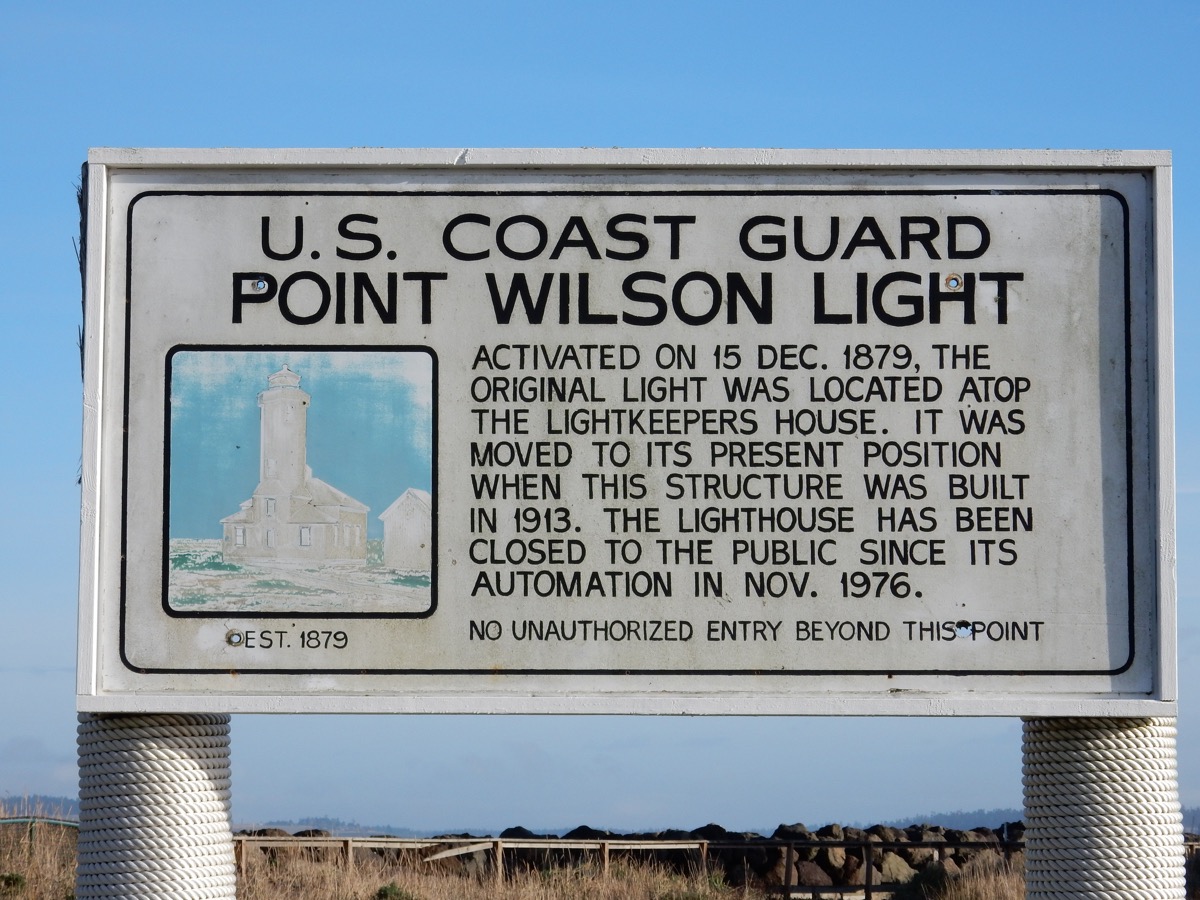
1. Point Wilson Lighthouse
Fort Worden State Park
Port Townsend, WA
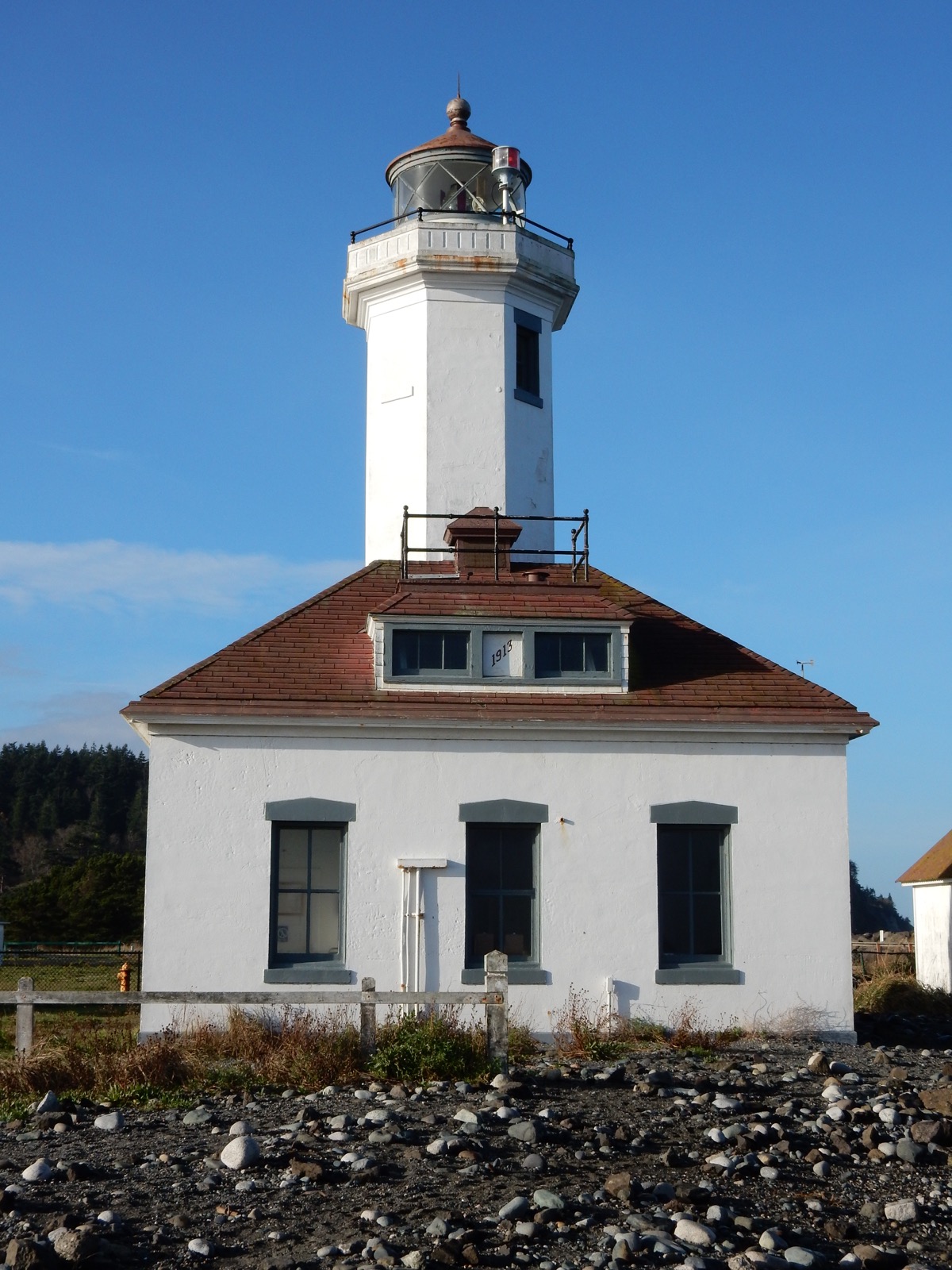
Point Wilson Lighthouse marks the western edge of the entrance to Admiralty Inlet from the Strait of Juan de Fuca. It’s a landmark for ships entering and leaving Puget Sound.
Point Wilson Lighthouse
In 1879 a fog signal building was erected to house a 12-inch steam whistle. Later that year a tower was added to the building that housed a lens that shone a fixed white light visible for up to 13 miles.
The current lighthouse was completed in 1914. The light was automated in 1976 and is monitored by a computer at the Coast Guard Air Station in Port Angeles, WA.
2. Point Robinson Lighthouse
Vashon Island, WA
Point Robinson Lighthouse celebrates its 100th birthday this year (2015). The original Point Robinson Light Station was established by the U.S. Lighthouse Service in 1885.
Point Robinson Lighthouse
During the summer tours of the lighthouse by a retired member of the Coast Guard are available between noon and 4:00.
Two Keepers’ Quarters have been renovated and restored and are available for rental. Quarters A is three-bedroom, two-bath, two-story house. Completely furnished, it can hold up to eight overnight guests. Quarters B is a two-bedroom, one-bath, completely furnished house with a sitting parlor. It will accommodate up to six guests. This house has been completely restored to its 1919 historical condition. Both houses feature full kitchens.
These houses are located near the beach in a wooded park with scenic views of Puget Sound, Mount Rainier, and the Cascade Mountains. Both Quarters are a short drive from Vashon Town, which offers shopping, restaurants, a playground, and a movie theater. The town also hosts many local festivals, particularly in summer.
Vashon Park District
17130 Vashon Highway SW
P.O. Box 1608
Vashon Island, WA 98070
201–463–9602
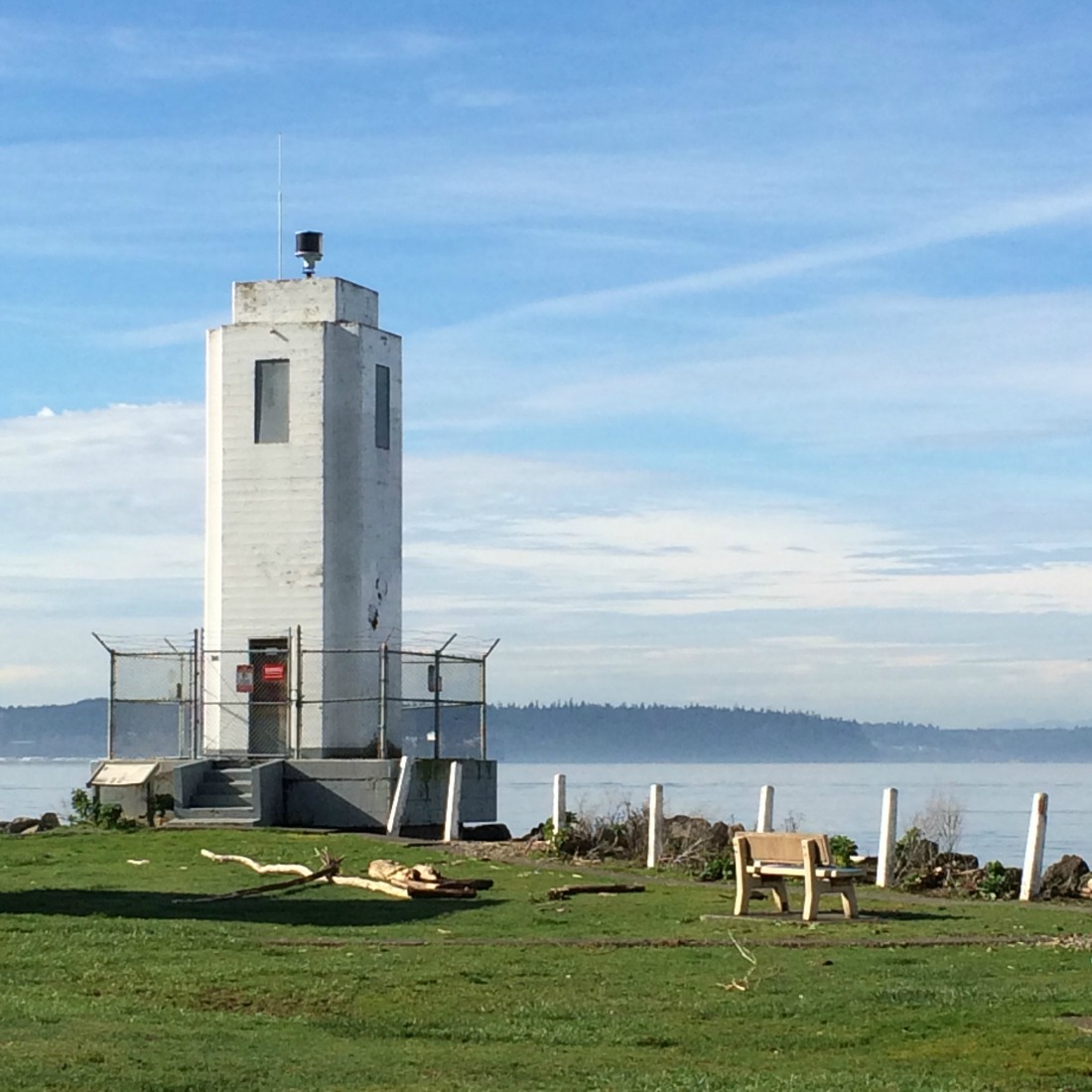
3. Browns Point Lighthouse
Tacoma, WA
Browns Point Lighthouse
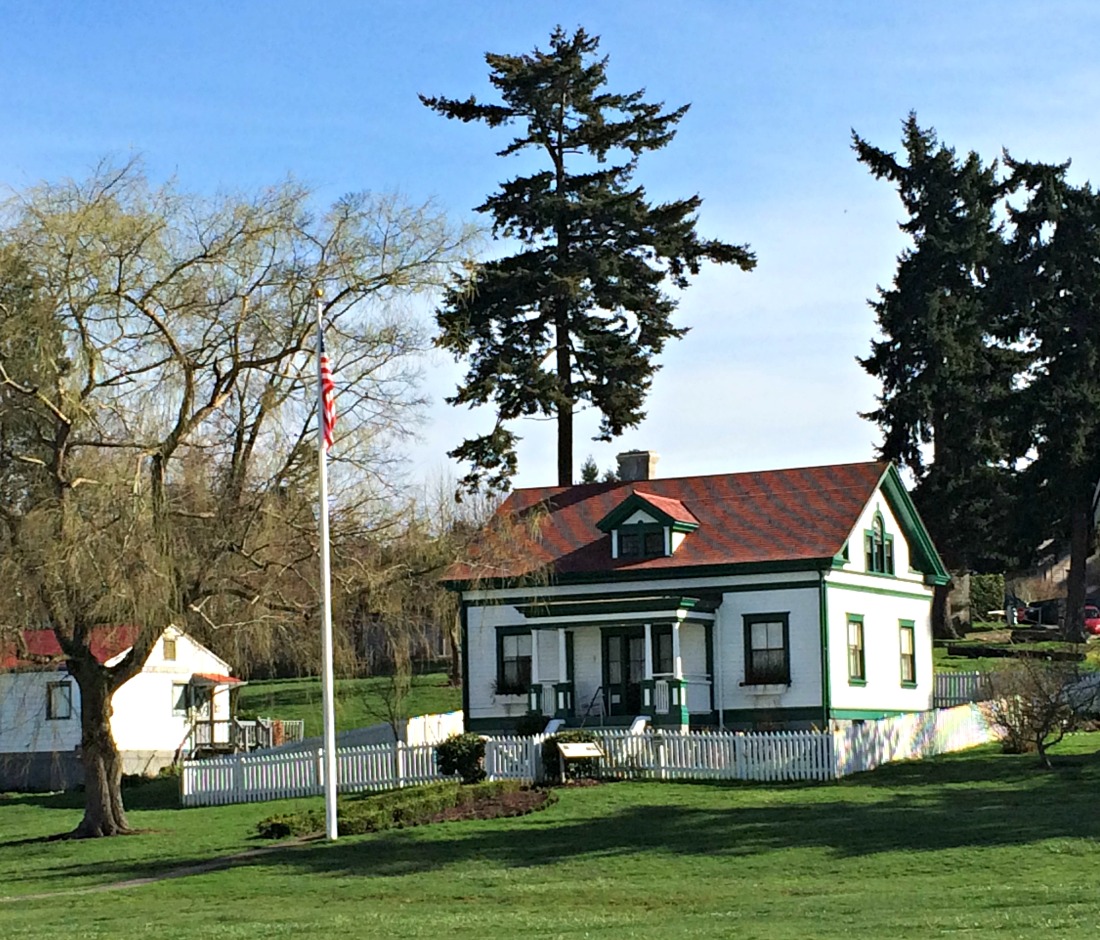
A light was first erected on a post at the location now known as Browns Point on December 12, 1887, two years before Washington became a state. The first White residents of Browns Point were the lighthouse keeper, Oscar Brown, and his wife, Annie, who arrived in 1903. The original lighthouse was a wooden structure built in 1903 that featured both a lamp and a bell used for fog warnings. Oscar and Annie Brown tended the lighthouse until 1939. More on the history of Browns Point Lighthouse is available here.
Browns Point Lightkeeper’s Cottage
The original wooden lighthouse was replaced by the current structure in 1933. The keeper’s cottage, originally built for the Browns in 1903, has been fully renovated. The three-bedroom cottage of 2,000 square feet sleeps up to six people, has a full kitchen, and offers cable television, internet, and wi-fi service. It is available for rental. Furnished with antique furniture, the cottage is a living museum, and renters become honorary lightkeepers responsible for duties such as raising and lowering the flag daily, watering flower boxes, and welcoming visitors to an open house on Saturday afternoons between April and November.
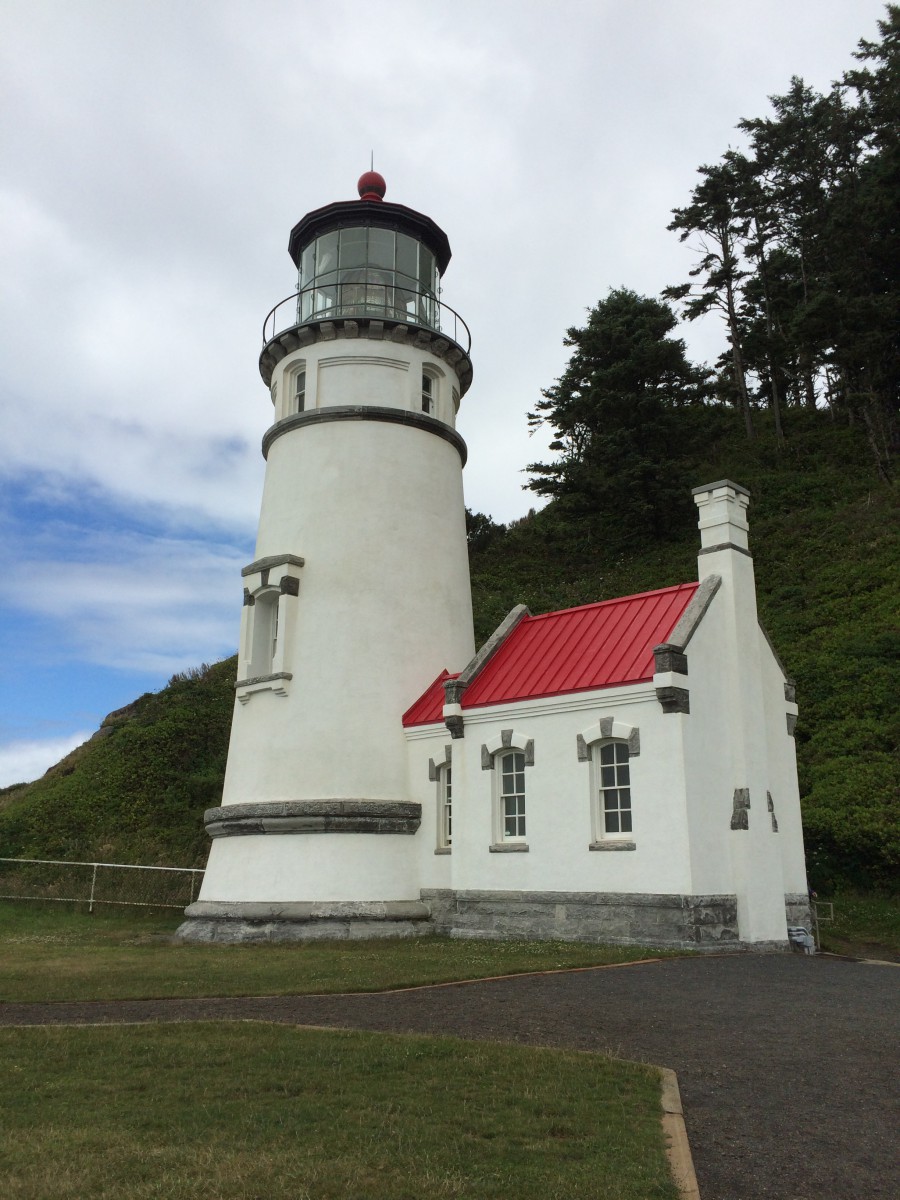
4. Heceta Head Lighthouse
Florence, OR
Heceta Head Lighthouse sits 205 feet above the ocean. The light at the top of the 56-foot tower, which was illuminated in 1894, can be seen 21 miles from land and is the strongest light on the Oregon coast.
Heceta Head Lighthouse
The lighthouse was constructed between 1892 and 1893. It became fully automated in 1963 and was listed in the National Register of Historic Places in 1978. Restoration of the tower was completed in mid 2013.
Heceta House, the assistant lightkeeper’s house, built in 1893, now offers bed and breakfast rentals and facilities for group events. It is operated by a concessionaire of the U.S. Forest Service. Information is available here.
It’s Thursday again, time for another Three Things Thursday, the purpose of which is to “share three things from the previous week that made you smile or laugh or appreciate the awesome of your life.”
Trip to Vashon Island
Just a 10-minute ferry ride (15 minutes if you count time for unloading vehicles) from Tacoma lies Vashon (emphasis on the first syllable) Island. Since the ferry leaves from Point Defiance Park, right near our house, we’d been meaning to make the trip some time. Yesterday “some time” finally arrived.
Vashon Island is about 13 miles long and eight miles across its widest point (about the size of New York City’s Manhattan, many descriptions say). It’s predominantly rural, with a resident population of about 11,000. It’s accessible only by ferry, from either Tacoma, West Seattle, or Port Orchard. There are two major towns on the island, Vashon and the much smaller Burton.
Many small local farms on the island offer produce and eggs for sale. Vashon Island also features a thriving arts community, with its own community theater and several shops and galleries that feature the work of artists from the Puget Sound area.
Tourists from the Greater Seattle area come to here for biking on the island’s many wooded trails or for kayaking. Both ferries and public buses operated by Seattle Metro Transit and Pierce County Transit offer transport of bikes. Kayaks can be rented through the Vashon Park District.
We’ll have to go back again, probably several times, because there’s a lot we didn’t see on yesterday’s visit.
(Click on any photo to see a larger version.)
1. Logs on the Beach
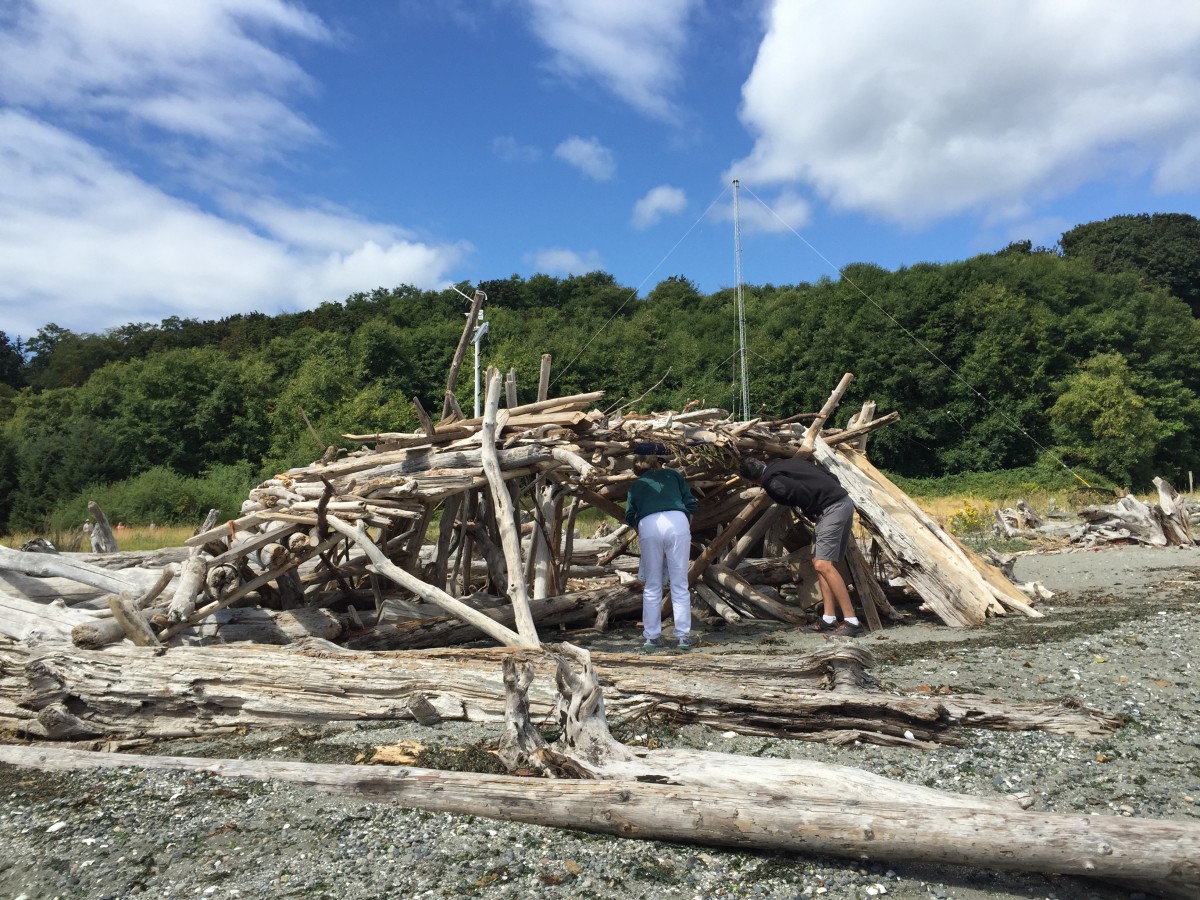
Vashon Island features 45 miles of shoreline. On a walk along the beach at Point Robinson Park we discovered that somebody enjoys using the driftwood like Lincoln Logs. (I told you this is an artsy community.)
2. Ivy
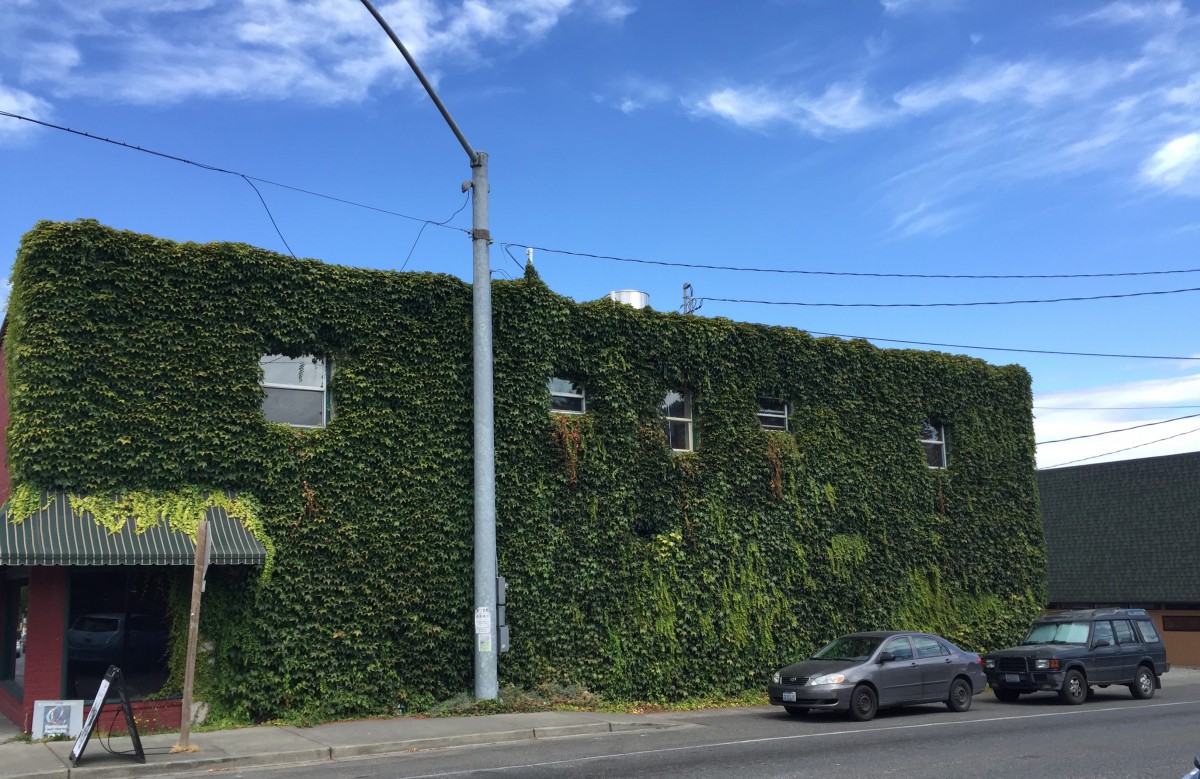
I have never seen a wall completely covered with ivy, like this side of a building in Vashon.
3. Heritage Museum
The Vashon-Maury Island Heritage Association sponsors The Vashon-Maury Island Heritage Museum, located at 10105 Bank Road in the town of Vashon. The building that now houses the museum was originally a Lutheran Church built in 1907. Museum hours are 1:00 to 4:00 Wednesday through Sunday.
Though small, the museum is well laid out. After entering, visitors learn about the history of the island by moving counter-clockwise around the central room. The exhibit begins with information about the island’s first inhabitants, the Puyallup Tribe. When European-American settlers came to the area in the mid nineteenth century, the Native Americans were relocated to the mainland. The Puyallup Tribal Center remains in Tacoma. Artifacts and reproductions of photos, newspaper articles, and other documents present the area’s history as a center of logging, lumber milling, boat building, and farming.
If I were a politician running for office, I’d have to present my ideas for improving the world plus my plans on how to go about implementing those ideas. Fortunately, though, I’m not a politician. Thanks to a recent WordPress Daily Prompt, I get to imagine a better world without having to figure out a way to achieve it:
Today is your lucky day. You get three wishes, granted to you by The Daily Post. What are your three wishes and why?
Easy.
Wish #1: Eradication of Cancer
I’m not wishing for a cure for cancer. Even if that wish came true, people would still have to undergo the trauma of diagnosis and treatment.
No, I wish for cancer simply to not exist. Eradicated. Gone. In my ideal world, nobody would have to deal with this cruelest of killers.
Wish #2: Meal Delivery to Everyone
I wish that every person on the planet would receive delivery of three nutritious meals every day.
Delivery of meals to people age 18 and over could be handled by drones. (Hey, if Amazon can do it…) But for everyone under age 18, delivery would be made by personal Fairy Godmothers. All kids should have their own Fairy Godmother so that they know they are loved and cared for.
As Abraham Maslow taught us with his hierarchy of needs, people must have their basic survival needs met before they can move on toward other goals. Giving everyone alive sufficient nutrition would improve the world by allowing more people to explore their creativity and ingenuity.
Does poverty cause malnutrition, or does malnutrition cause poverty? Either way, the removal of malnutrition from the equation would give people more energy to envision and to work toward building a better world.
Wish #3: An End to Intolerance and Discrimination
And an end to hatred. Imagine if all people worked together to solve the world’s problems. Imagine if everyone treated everyone else with respect, empathy, and compassion. Imagine if all people were allowed to contribute their best selves to society, no matter their religious beliefs or their skin color.
I’m not saying everybody is or should be the same as everyone else. What I want is a world in which all people are allowed to sharpen their abilities and to do their best work for each other.
The United States Congress, in 1935, proclaimed first Sunday of August as the National Friendship Day. Since then, celebration of National Friendship Day became an annual event. The noble idea of honoring the beautiful relationship of friendship caught on with the people and soon Friendship Day became a hugely popular festival.
In the years since 1935 several other countries have followed the U.S. in celebrating Friendship Day. However, some groups celebrate friendship at different times of the year:
National Friendship Day is on the first Sunday in August.
Women’s Friendship Day is on the third Sunday in August
International Friendship Month is February
Old Friends, New Friends Week is the third week of May
On this web page you’ll find all kinds of information about friendship, including quotations and customs.
My own experience has taught me these truths about friends and friendship:
True friends are rare.
I should cherish each one.
Friendship cannot be forced. It has to come about naturally.
Choose Friends Wisely
In the article Making Friends in New Places, physician Nicholas A. Christakis looks at the beginning of freshman year in college as a time when a group of people who don’t know each other are thrown together and must negotiate the process of making friends:
At the start of freshman year, there’s a window of opportunity, when customary rules about social interactions are suspended, and when it seems perfectly normal for someone to sit down next to you at lunch or in class and strike up a conversation.
Similar groups, he writes, are teenagers arriving at summer camp and adults arriving on a cruise ship. At times like these, associations are not yet fixed, and people’s social inhibitions are suspended as they move about freely among the group in search of people to befriend.
In his observations of freshmen at both Yale and Harvard, Christakis has found that the window for making new friends closes after about three weeks:
Attitudes begin to solidify. Friendships become fixed. And behaviors that initially seemed open and generous might come to feel forced, or even a little creepy.
Christakis believes that we are hard-wired to make friends in new, stressful situations. He has studied both college freshman and the Hadza hunter-gatherers of Tanzania and found that both groups form similar social networks: one or two best friends, in a group of five to six close friends, within a still broader group of 150 people. His work with college students has lead him to this conclusion: “Whether students feel happy or sad, or catch the flu, or learn new things can all depend, in significant measure, on their ties to one another.”
In addition:
Humans are hard-wired for friendship in one final way: We like the company of people we resemble, a property known as homophily. We evolved as a species by preferring those with shared objectives — all the better to coordinate a hunt for a mammoth. But natural selection has equipped us with a taste for similarity at a cost: the loss of new insights and information that lead to innovation.
Christakis’s advice to freshman students about to go off to college is that they purposely seek out people who are in some way different from themselves:
befriending different kinds of people — people with a different religion or major, say — is indeed a good thing. Students learn as much about themselves and about the world from the informal curriculum provided by their friends as they do from the formal curriculum provided by the faculty.
You Never Know Where You Might Find a Friend
In the article The Day I Told the Ugly Truth About My Marriage, neuroscientist and novelist Lisa Genova, author of Still Alice and several other novels featuring neurological conditions, describes telling a stranger about the difficult time she was facing. The focus of this article as published on Oprah’s web site is “why it’s okay to admit when our lives fall apart.”
But I was more taken by the way Genova found a new friend by telling a stranger her story:
Jenny shared specific stories of the times in her life when she was most vulnerable, unable to imagine the details of a secure, positive future. I nodded, my heart recognizing itself. I told her more about my situation, looking into her eyes, not editing a thing. She told me more, this time about freedom and her unwavering belief in happiness and love, and I began to get a glimpse of a bigger perspective, this moment as a single dot in the unfinished dot-to-dot picture of my life.
Since that time, the two women have become close friends. Genova concludes with the observation that sharing a bit of ourselves with someone may result in judgment, pity, or shame. “Or, you could realize you’re sitting on a bench next to someone you love. For me, that’s worth the risk.”
Sometimes synchronicity kicks in and offers you the opportunity of a lifetime. You can’t plan or orchestrate this type of meeting, but you can be receptive to its appearance in your life.
After the chaos of my June blogging, in July my main goal was simply to get back into the habit of writing and publishing a post every day. At that I succeeded.
However, I did not work on my word for the year, story.
And I anticipate a bit more chaos in the upcoming weeks because we are taking a two-week cruise along the West Coast between Seattle and Alaska during the last week of August and the first week of September. Once again, both my internet connectivity and my free time will be limited. I am therefore not setting any specific goals other than to end up with a post for each day until the second week of September.
Here are my statistics for last month:
Number of posts written: 31
Shortest post: 210
Longest post: 1,770
Total words written: 22,340
Average post length: 721
I was happy to get my word count back up after June’s scant month. In fact, July’s total word count was the second highest of my seven months of this blogging challenge. And my average post length was the third highest; although I had seven posts of 1,000 or more words in July, I also had several shorter (500 words or fewer) posts as well.
Distribution of posts across my three blogs:
Because our two-week European vacation produced an inordinate number of posts to my personal blog, Retreading for Retirement, in June, in July I tried to even up the number of posts across the three blogs.
The total of posts here may not equal the number of posts written last month because I occasionally publish the same post on more than one blog. However, I have included each post only once in my total word count.
Time for Three Things Thursday, the purpose of which is to “share three things from the previous week that made you smile or laugh or appreciate the awesome of your life.”
Trip to Leavenworth, WA
Since moving to Tacoma we’ve traveled along the West Coast between Seattle and San Francisco, but we haven’t yet gone inland from here into eastern Washington State. One of our new neighbors, a life-long Tacoma resident, suggested that Leavenworth would be a good place to visit. So when Franke Tobey Jones offered a three-day, two-night trip to Leavenworth, we jumped on the opportunity.
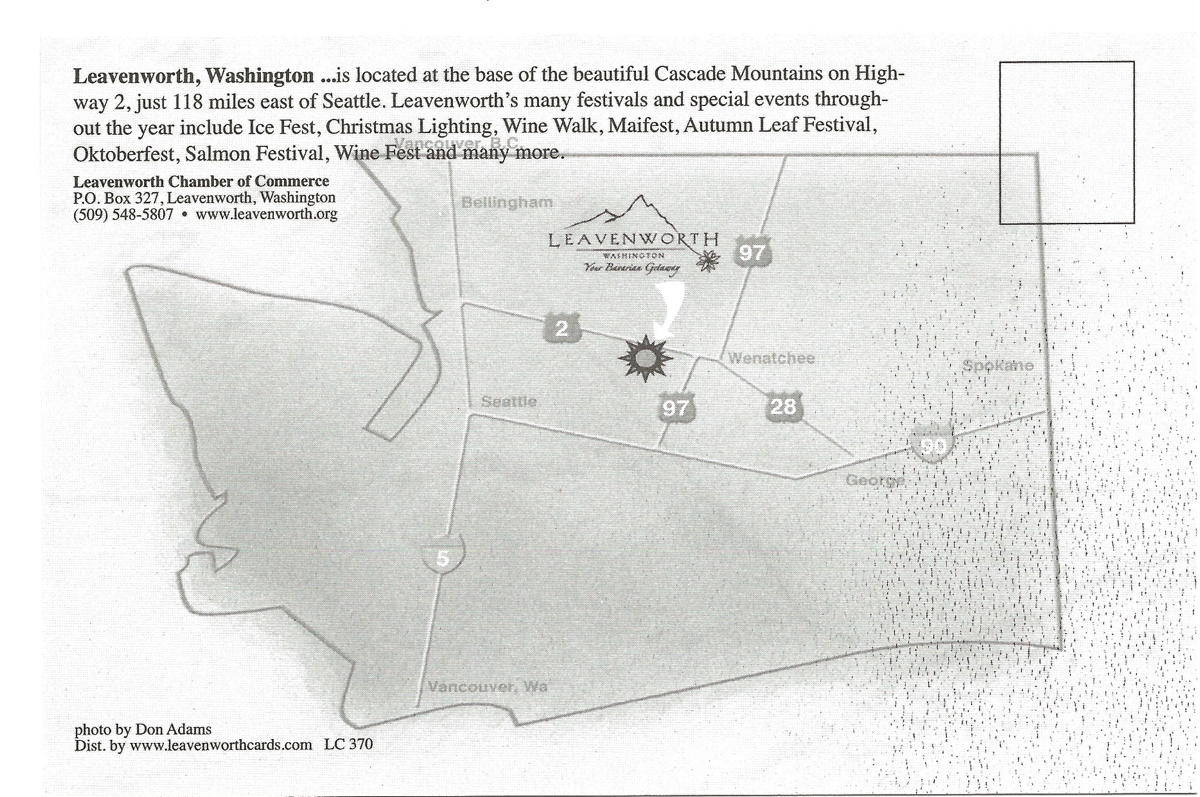
Leavenworth is located in the foothills of the Cascade Mountains, about 120 miles east of Seattle. It’s Washington’s Bavarian Village, with most buildings in town decorated with ornate woodwork and murals of Bavarian motifs. In summer the buildings and grounds in the city are ablaze with full-color flower displays.
(Click on any photo to see a larger version.)
1. Bavarian Lodge
Bavarian Lodge
We stayed at the Bavarian Lodge, which epitomizes the city’s identity with its painted decorations and flower boxes. Our room was large, the bed was comfortable, and the free breakfast was delicious.
2. Decorated Building
Decorated Building, Leavenworth
Imagine a town full of buildings similar to this one and you’ll visualize Leavenworth. The paintings on the buildings were fascinating. The many stores carry a variety of items, from typical tourist souvenirs to hand-crafted cuckoo clocks and music boxes, nutcrackers, Dresden china, and artwork by local artists. There’s even a nutcracker museum, although we did not get a chance to visit it. Behind the building you can see the steep, rocky Cascade foothills.
With its Bavarian village setting, Leavenworth obviously caters to tourists. For outdoors folks there are nearby centers for hiking, climbing, biking, skiing, snowmobiling, kayaking, and horseback riding. Leavenworth is beautiful in summer, but it also offers lots of festivals and events during other seasons, including the following: Ice Fest, Christmas Lighting, Wine Walk, Maifest, Autumn Leaf Festival, Oktoberfest, Salmon Festival.
The highway to Leavenworth passes through Stevens Pass, elevation 4,061 feet, the site of a winter downhill and cross-country ski resort. Stevens Pass is often closed in winter when there’s snow in the Cascade Mountains, so plan accordingly if you decide to go in winter.
3. Eagle Creek Winery
Vineyards, Eagle Creek Winery
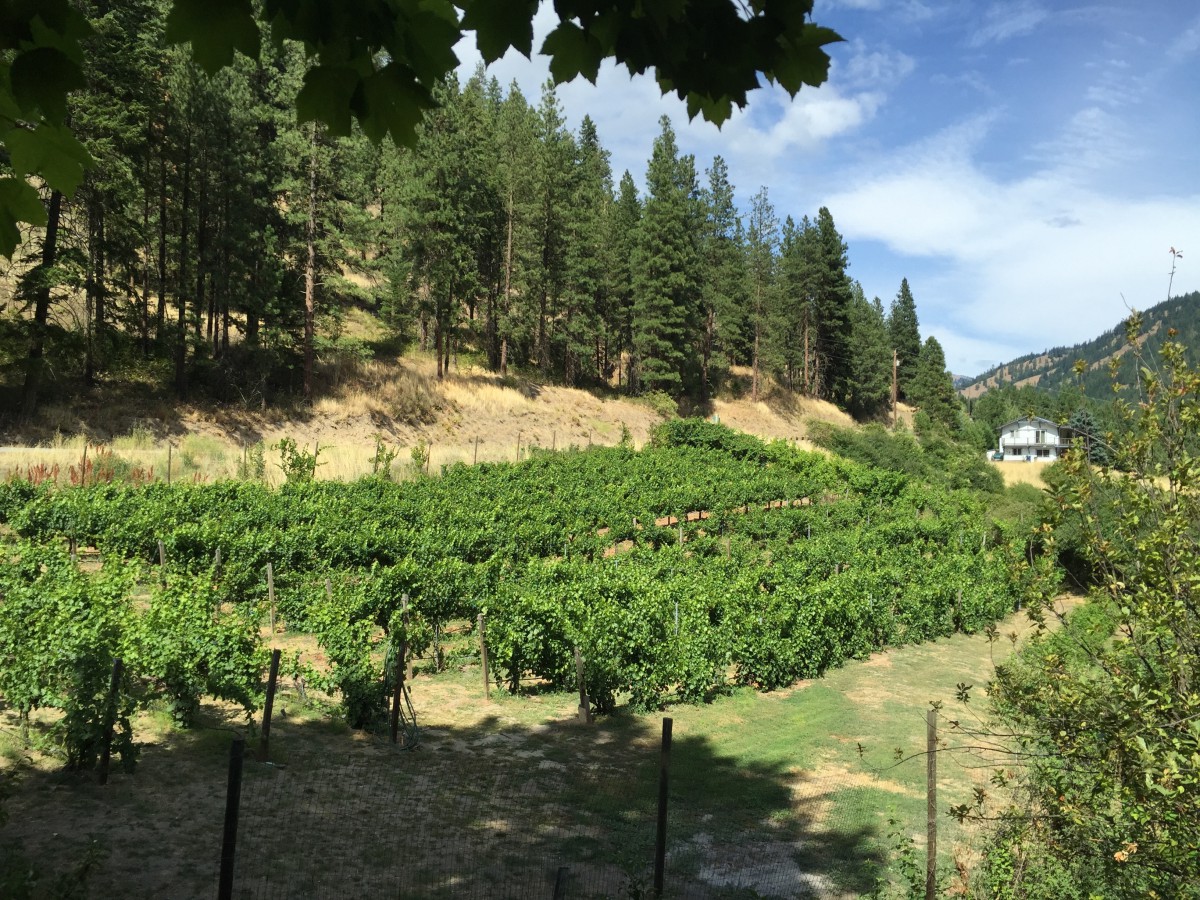
We also had a wine tasting and tour at Eagle Creek Winery just outside the center of town. The heat and soil make the region a perfect place for growing grapes. We liked several of their wines and came away with six bottles.
We also attended a production of the play Into the Woods by the Leavenworth Summer Theater at their outdoor venue, Ski Hill Amphitheater. (No photography allowed there—sorry.)
Overall, the trip to Leavenworth was delightful. We hope to return on our own sometime. And now that we’re retired, it won’t even matter if we get snowed in.
This morning when I got into my car to drive to my office, I was afraid I might not remember the way. I haven’t gone to the office in two and a half months.
After the age of 29 I didn’t have an office that I went to every day. I had about a six-year stint as a stay-at-home mother. Then I began a 30-year career as a freelance writer and editor. Eventually we added an office for me to the back of our house. I then “went to the office” to work, even if that only meant walking through my family room. I did occasional contract work that required me to show up at a client’s office and work there, but mostly I worked from my home office.
When we retired, we moved 2,100 miles away and downsized from our 2,100 square foot house (that number includes my office but not the garage) to a 1,300 square foot unit (including the over-sized one-car garage) in a senior community. This is a two-bedroom unit, and I had to choose between a home office and a guest room in the second bedroom. Because we wanted to be able to have guests come to visit us in our new location, I was left without an office. Despite lining the wall of the combination dining room—living room in our new house with bookcases, there wasn’t enough space for all the books that my husband and I had both accumulated over a lifetime of reading.
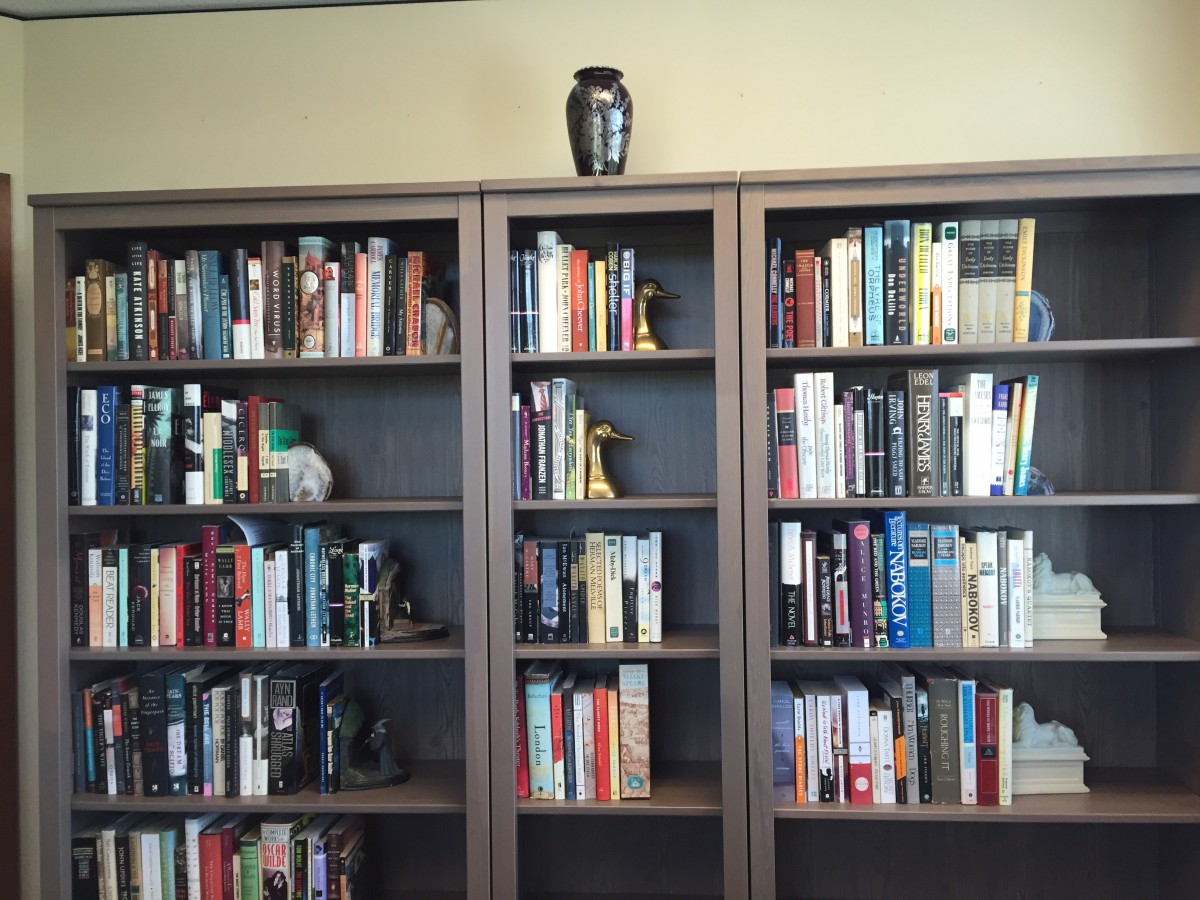
Since I had a lot more books and work stuff than my now retired husband, the plan was to find a small office to rent where I could store my books and work. After nearly a year we finally found the ideal space and set off for Ikea to buy a desk and several bookcases. Once the furniture had been delivered, assembled, and installed, I unpacked my books, which had been filling up the garage, and got to work.
After a 30+-year career of avoiding both the academic and corporate worlds, I finally have a real office to go to.
“Going to the office” now means something quite different to me than it would have earlier in my life. I spent enough time going to an office in my early adult jobs and later contract work to know that I would not want to spend the majority of my life working like that. Staff meetings, the proximity of desks, crowded cafeterias, the semi-required socialization of after-work get-togethers all do not suit my introverted nature. And it’s not just that I like to be alone; I also work better alone, without the noise, movement, and other distractions of having a lot of people nearby. I feel certain that going to the office would have become something I both dreaded and hated if I had had to work like that all my life.
Now, in retirement, “going to the office” excites and invigorates me. My office is in a small building, and very little talking or movement goes on in the hallway. With my door shut, I’m able to work without distraction. Most of my books are here, and being surrounded by books has always comforted and inspired me. I had always wanted to shelve my books alphabetically by author, and the move allowed me to do that. Also, I now have separate sections for fiction and nonfiction.
I don’t ever have to go to the office; I go in when I choose to go. And now that my husband and I are traveling more than we did earlier in our lives, there are sometimes stretches, like the last two and a half months, when I’m not around to go to the office.
I realize that I’m very fortunate to have had my dream job of writing and editing from home most of my adult life. But now I’m enjoying going to the office—and sometimes not going.
A while back I had gotten lax with my walking routine and found myself quite out of shape. My husband encouraged me to accompany him for a walk one day, and I did. But he was much more ambitious than I was, and we walked so far that when I got home, my right knee was a bit sore. I went to the drugstore and looked at the various knee supports available. I chose one made of neoprene that wrapped around the knee and fastened with Velcro. I wore it for a few days and my knee gradually got better.
Because of this experience I was interested in this column in the New York Times in which Gretchen Reynolds answers the question “How effective is wearing a stabilizing knee support?”
When you say “effective,” I assume that you’re asking how well a knee support can stabilize a wobbly knee or lessen the pain of an arthritic one. The answer, based on a large body of science, is that nobody really knows.
“It’s important, however, to differentiate among the types of knee supports,” she adds. She distinguishes between braces, which include rigid materials that press against the bones of the knee and offer firm external support. Soft neoprene sleeves do not offer the same support but may increase knee stability by improving the wearer’s balance. But, Reynolds says, a 2012 study found that neoprene sleeves offered no significant improvements in balance for people with knee arthritis. There is also no evidence that knee supports worn on healthy knees prevent knee injuries.
Reynolds ends with the advice that if your knees are bothering you, don’t self-diagnose. Go to a doctor, who can diagnose your problem and determine whether a knee support will help.
The knee support I used was not really a sleeve, which is a tube, but one that I could tighten or loosen with the Velcro. I wore the support and avoided any more long walks, and my knee pain did clear up within a few days. Of course the same improvement probably would have occurred whether I had worn the brace of not, but I did think that, at least initially, it lessened my discomfort.
Alice Park discusses recent research published in the Proceedings of the National Academy of Sciences that examined 18 measures of aging in people in their 20s and 30s. The markers studied mirror the biological effects of aging found in older people. The study followed 954 people born in 1972 or 1973 in Dunedin, New Zealand, from age 26 to age 38. The 18 markers measured included blood pressure, lung function, cholesterol, body mass index, and inflammation. On the basis of these measurements, researchers calculated a biological age for each volunteer. They re-examined the study participants again at ages 32 and 38 to calculate the pace at which each person was aging.
Some people were biologically older and aging faster than others, despite being the same chronological age. Not only that, but the researchers showed, by giving the 20- and 30-somethings the same tests of balance and thinking skills that gerontologists give for older adults, that these aging changes were the same as those occurring later in life.
Comparing the data of those aging more quickly with those aging more slowly should suggest some ideas of how to slow down again. Such a testing program can also provide a way to test whether a specific anti-aging treatment works.
Researchers plan to re-evaluate study participants again at age 45 to see if habits such as diet, exercise, and smoking affect the rate of aging.
Here is that E-word again: exercise. New research out of the University of Kansas Medical Center suggests that older adults can improve brain functioning by increasing their fitness level.
Results indicated that aerobic exercise improved brain function, and those who exercised more saw more cognitive benefits. The intensity of the exercise appeared to be more important than the duration, so it’s important to exercise as vigorously as you safely can.
As always, check with your doctor before beginning any exercise program.
This article is painful to read but could prevent some heartache. It describes scams that people employ through online dating sites to woo potential victims out of their savings.
Older people are good targets for such scams because they often have accumulated savings over their lifetime. Older women, who outnumber older men, are particularly susceptible.
Just how serious is this problem?
How many people are snared by Internet romance fraud is unclear, but between July 1 and Dec. 31, 2014, nearly 6,000 people registered complaints of such confidence fraud with losses of $82.3 million, according to the federal Internet Crime Complaint Center.
Most of the scams involve online contacts who establish a relationship with a potential victim, then began asking for money to cover situations such as medical emergencies or having their wallet stolen abroad and needing money to travel back home. And one request follows another, often adding up to significant sums:
Victims typically lose $40,000 to $100,000, said Wendy Morgan, chief of the Public Protection Division of the Vermont Attorney General’s Office. The highest reported loss in the state was $213,000.
Read the stories in this article of how people were scammed. Knowing how the process works could help you avoid losing your life’s savings.
Another Thursday brings another episode of Three Things Thursday, the purpose of which is to “share three things from the previous week that made you smile or laugh or appreciate the awesome of your life.”
Vintage Cars
(Click on any photo for a larger version.)
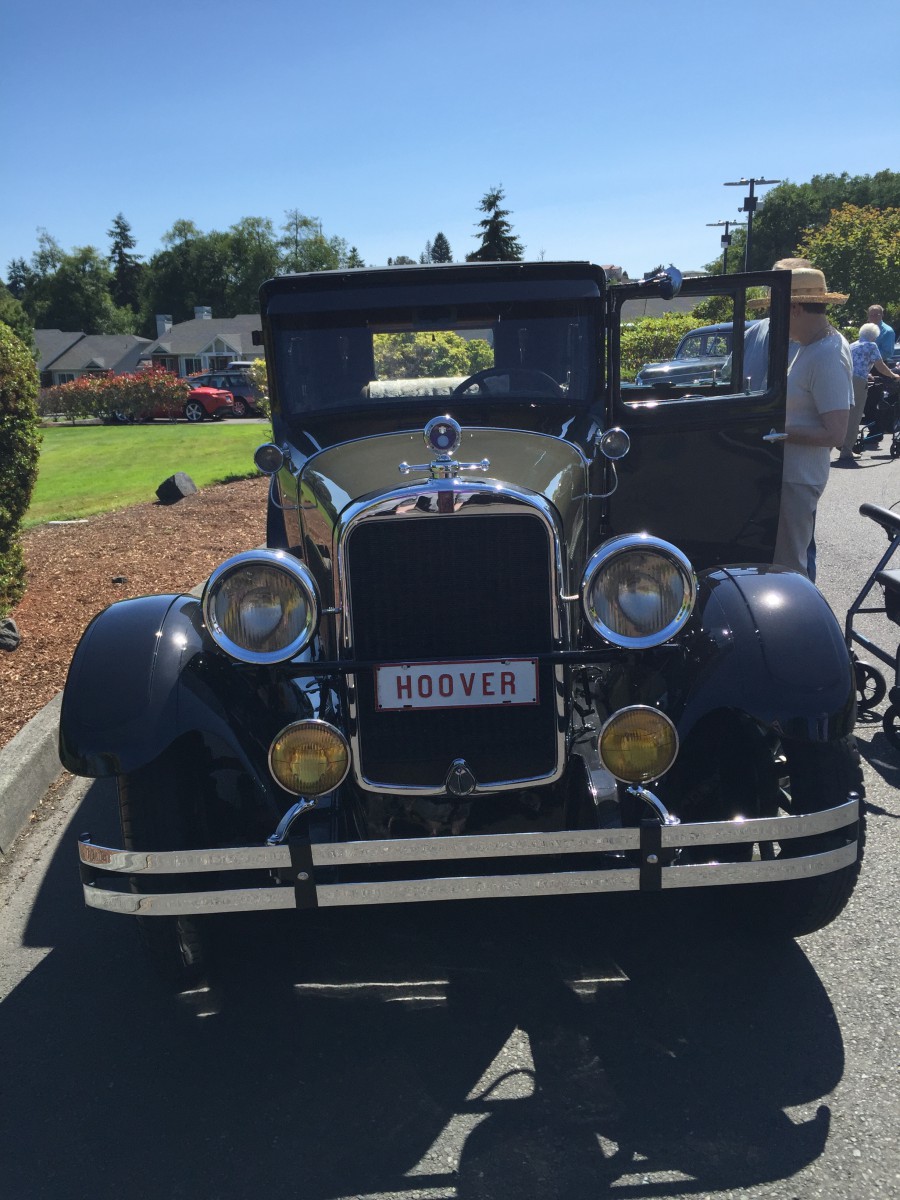
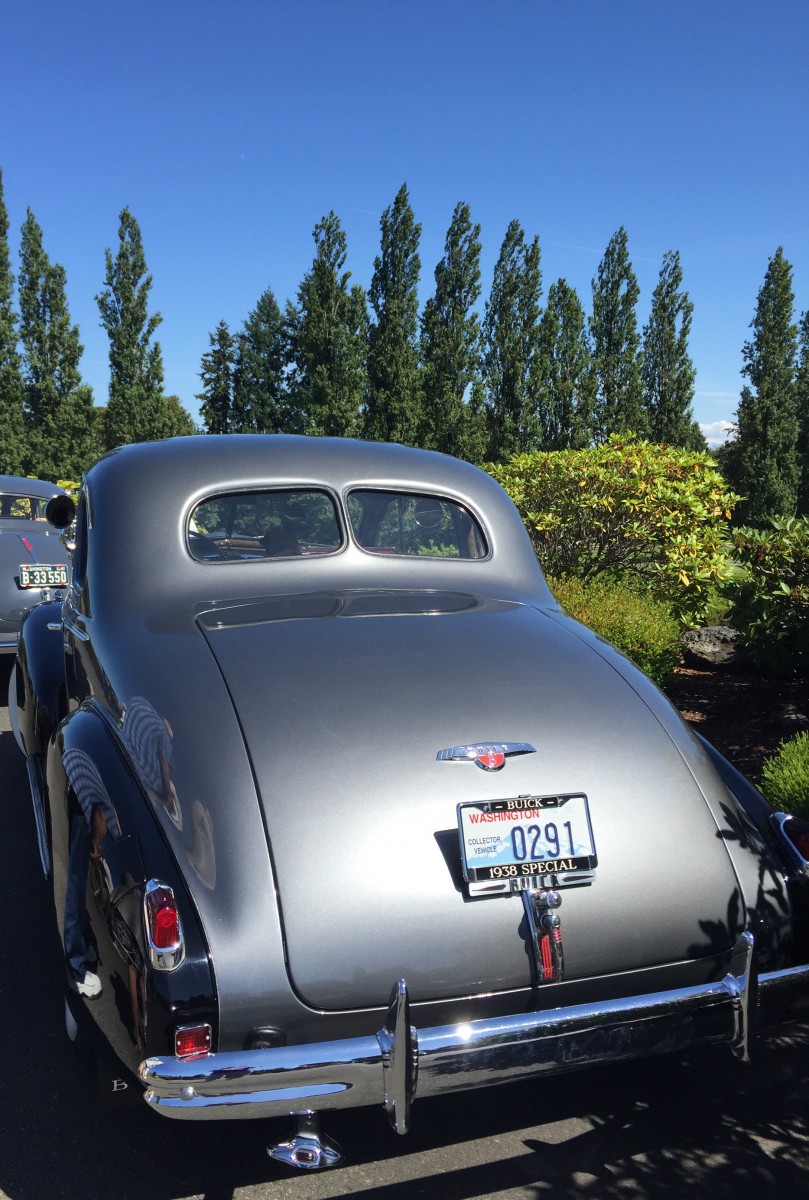
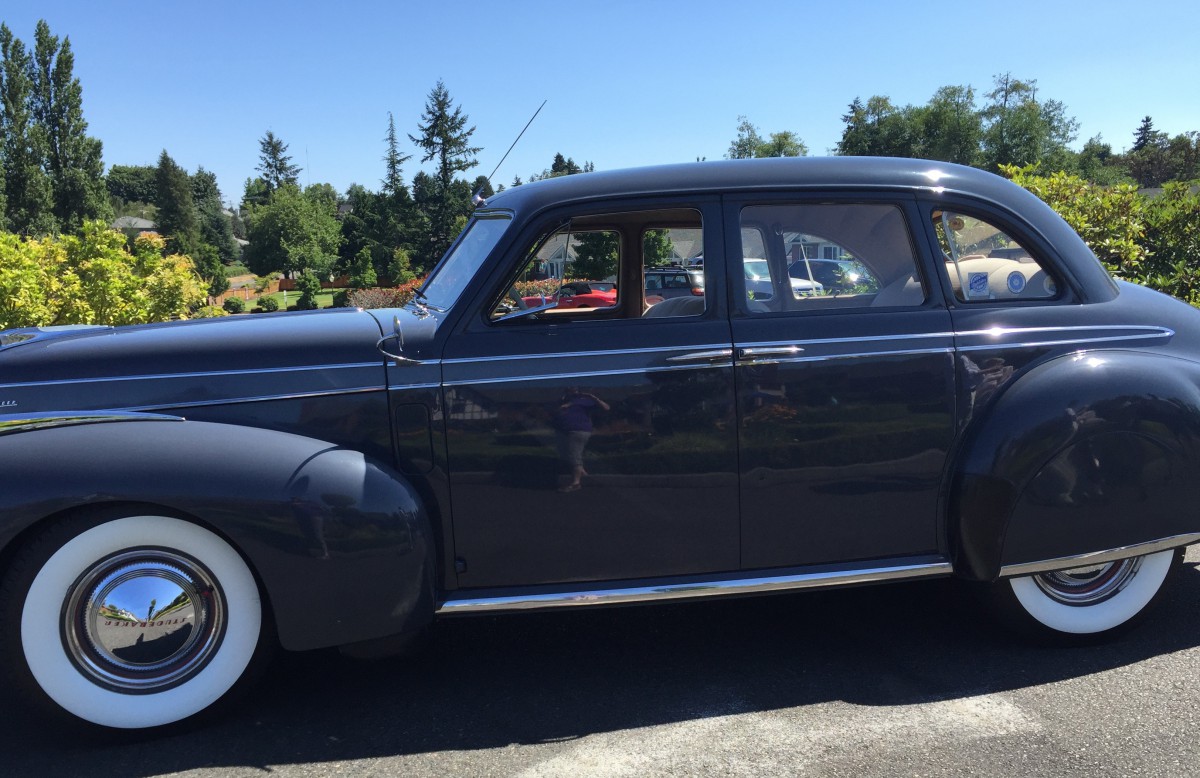
Recently we had a few vintage cars on display here at Franke Tobey Jones during the ice cream social on a beautiful Friday afternoon.
1. Dodge Brothers 1928
Dodge Brothers: 1928
The Dodge Brothers Company was founded by brothers Horace Elgin Dodge and John Francis Dodge in 1900 as a supplier of parts for automobile makers in Detroit. The company began manufacturing complete cars in 1915. Both brothers died in 1920, and the company was sold to Chrysler Corporation in 1928.
Dodge Brothers: 1928
The wheels on this car are made of wood. The owner told us that he has gotten the car up to 50 miles per hour, but it cruises along best at about 40 mph.
2. Buick Special 1938
Buick Special: 1938
The Buick Special was the company’s entry-level full-size auto from 1936 to 1958.
Buick Special: 1938
3. Studebaker Commander 1941
Studebaker Commander: 1941
Studebaker Corporation used the model name Commander between 1927 and 1964, except for 1936 and 1959–1963.













 Retreading for Retirement