Last Week’s Links

Recent articles on aging and retirement

Exercise Tied to Lower Risk for 13 Types of Cancer

For those of us who need even more incentive to exercise:

Anyone who still needs motivation to move more may find it in a new study showing that, in addition to its other health benefits, exercise appears to substantially reduce the risk of developing 13 different varieties of cancer. That is far more types than scientists previously thought might be impacted by exercise. The comprehensive study also suggests that the potential cancer-fighting benefits of exercise seem to hold true even if someone is overweight.

Earlier research had found a relationship between exercise and reduced risk for breast, lung, and colon cancers. The new research also found a lowered risk of tumors in the liver, esophagus, kidney, stomach, endometrium, blood, bone marrow, had and neck, rectum, and bladder.

Could Alzheimer’s Stem From Infections? It Makes Sense, Experts Say

Provocative new research by a team of investigators at Harvard leads to this startling hypothesis, which could explain the origins of plaque, the mysterious hard little balls that pockmark the brains of people with Alzheimer’s.

It is still early days, but Alzheimer’s experts not associated with the work are captivated by the idea that infections, including ones that are too mild to elicit symptoms, may produce a fierce reaction that leaves debris in the brain, causing Alzheimer’s. The idea is surprising, but it makes sense, and the Harvard group’s data, published Wednesday in the journal Science Translational Medicine, supports it. If it holds up, the hypothesis has major implications for preventing and treating this degenerative brain disease.

UW researchers test drug to extend dogs’ years

The drug rapamycin, which lengthened the lives of laboratory mice, is being tested on dogs as University of Washington scientists look for alternatives to treating the individual maladies that come with age in humans.

The diseases that kill most people in developed countries—heart disease, stroke, Alzheimer’s, diabetes, and cancer—all have different causes, but age is the major risk factor for all of them. The drug under study might change the approach of treatment:

the trial, which just concluded its pilot run in Seattle, also represents a new frontier in testing a proposition for improving human health: Rather than seeking treatments for the individual maladies that come with age, we might do better to target the biology that underlies aging itself.

Read why researchers think rapamycin might help delay the onset of several major diseases at once.

© 2016 by Mary Daniels Brown

Three Things Thursday

Thanks to Nerd in the Brain  for the weekly challenge Three Things Thursday:

three things that make me smile: an exercise in gratitude – feel free to steal this idea with wild abandon and fill your blog with the happy

three-things-thursday-badge-new

Earlier this month the Lunch Bunch traveled to:

Verrazanos Italian Restaurant
28835 Pacific Hwy S
Federal Way, WA 98003

(Click on any photo to see a larger version.)

The subtitle of the restaurant’s web site is “Fine dining with a view!” And they aren’t kidding. The dining room offers a beautiful view of Poverty Bay and the Olympic Mountains.

We visited on a sunny day, and the snow-capped Olympic Mountains were visible when we arrived:

original view
1. Before

While we were ordering, a truck from a local tree service arrived and caught our attention. We watched as the truck got into position and hoisted a man up into one of the trees. He worked there during most of our dinner, directed by a fellow on the restaurant’s large outdoor deck:

man trimming tree
2. During

One of the members of our group asked the waiter what was happening, and she explained that the restaurant owners had hired the company to come out and improve the view. By time we finished eating, the man in the tree had done just that:

view after tree trimming
3. After

I thought the view was spectacular before the tree trimming, but I didn’t complain about the opportunity to see even more of those beautiful mountains.

© 2016 by Mary Daniels Brown

Last Week’s Links

Recent articles on aging and retirement

Health and well-being are more than just physical

Mental health factors like loneliness, and sensory factors like hearing loss, can matter more to someone’s well-being and risk of death than traditional measures like cancer and high blood pressure, a new study suggests.

Particularly in caring for older adults, doctors should consider more than just physical health, the researchers say.

Traditional measurement of health and well-being involves a medical model based on physical health and the absence of disease. This article reports on research that adapted the medical model to include medical, physical, psychological, functional, and sensory factors in what the researchers call a comprehensive model.

Mercer Girls reach Seattle on May 16, 1864

One of my favorite activities is learning about the culture and history of our new home town, Tacoma, and our new home state, Washington. I had not previously heard of the Mercer Girls:

On May 16, 1864, at 11 p.m. the first 11 Mercer Girls reach Seattle. To increase the supply of teachers and women in the Puget Sound area, Seattle resident Asa Mercer (1839–1917) recruits the women from the East Coast. Their ages range from 15 to 35. The contingent travels from New York via the Isthmus of Panama and San Francisco.

UFOs: ‘Open-minded’ Northwest is fertile ground for cosmic buzz

And here’s another interesting local fact that I hadn’t thought about before:

Hillary Clinton made headlines recently by saying that if elected president, she’d open up Area 51 files and other UFO documents “as much as we can.” That particularly resonated here.

According to Seattle Times reporter Erik Lacitis:

The term “flying saucers,” after all, started right here 68 years ago when a private pilot recounted in great detail seeing nine unidentified objects flying by Mount Rainier.

It was a sunny, clear afternoon on June 24, 1947.

Lacitis quotes Una Drake, who runs the Seattle UFO Network Meetup group:

“Seattle is open-minded about a lot of stuff, spiritually, politically. It’s just part of our culture. People on the fringe are more accepted than in other parts of the country,” she says.

There’s a lot of interesting information here about people who say they’ve seen UFOs. Read it if you dare.

Too few Americans take advantage of local parks

Most neighborhood parks in the United States are geared toward younger people, which limits their use, a new study suggests.

”Relatively modest investments could make parks much more conducive to physical activity for everyone, regardless of age, gender or income level,” said study author Dr. Deborah Cohen, a senior natural scientist at the Rand Corp.

© 2016 by Mary Daniels Brown

On Aging

Just Turned 40? An Architect Says It’s Time To Design For Aging

When Architect Matthias Hollwich was approaching 40, he wondered what the next 40 years of his life might look like. He looked into the architecture that serves older adults, places like retirement communities and assisted living facilities, and didn’t like what he saw. But what if we changed our habits earlier in life so we could stay in the communities we already live in?

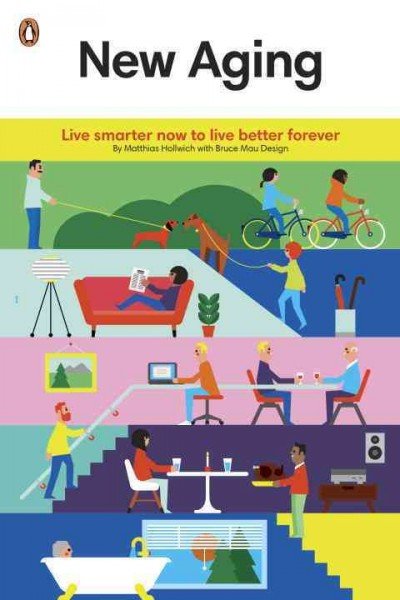
new agingArchitect Matthias Hollwich, a visiting professor at the University of Pennsylvania, has partnered with Bruce Mau Design to produce the book New Aging: Live Smarter Now to Live Better Forever.

The book discusses how to build not only living quarters but also social networks and communities to keep people engaged with society while they age. Social isolation is one of the most common and most debilitating aspects of aging. People who are able to maintain social ties do better both physically and mentally as they age.

I tried on a suit that simulates being an 85 year-old, and it totally changed how I view aging

Chris Weller writes for Tech Insider:

I recently visited the Liberty Science Center in New Jersey to check out the Genworth Aging Experience, a new exhibit from Applied Minds that uses a high-tech exoskeleton to let people feel what life is like at 85 years old.

The suit allowed Weller to experience common ailments of aging, including macular degeneration, tinnitus (ringing in the ears), speech impediments, and physical impairments. Using virtual reality goggles and a treadmill, Weller discovered how difficult a walk on the beach, which most younger people find a soothing experience, is for an older person.

For the first time in history, people 65 years and older now outnumber children 5 and younger around the world. Without a clear understanding of how the world’s demographics are shifting, we can’t fully prepare for the change or appreciate its effects once it happens.

Follow the links in the article to learn more about the Genworth Aging Experience.

Multigenerational Homes That Fit Just Right

The number of Americans living in multigenerational households — defined, generally, as homes with more than one adult generation — rose to 56.8 million in 2012, or about 18.1 percent of the total population, from 46.6 million, or 15.5 percent of the population in 2007, according to the latest data from Pew Research. By comparison, an estimated 28 million, or 12 percent, lived in such households in 1980.

An interesting article about houses specially designed to hold two or three generations while allowing each its own space.

Why Do Older People Love Facebook? Let’s Ask My Dad

In a survey of over 350 American adults between the ages of 60 and 86, researchers at Pennsylvania State University found that older people enjoy the same things their younger counterparts do: using Facebook to bond with old friends and develop relationships with like-minded people. They also like to keep tabs on their loved ones.

There’s more evidence here that older adults are one of the fastest growing groups on social media: “As Facebook continues to be a bigger part of American life, the ever-growing population of older Americans is figuring out how to adapt.” As we boomers continue to age, communicating via social media will become increasingly important.

© 2016 by Mary Daniels Brown

Last Week’s Links

To Help Students Learn, Engage the Emotions

Emotion is essential to learning, Dr. Immordino-Yang said, and should not be underestimated or misunderstood as a trend, or as merely the “E” in “SEL,” or social-emotional learning. Emotion is where learning begins, or, as is often the case, where it ends. Put simply, “It is literally neurobiologically impossible to think deeply about things that you don’t care about,” she said.

Seeing the Cycle of Life in My Baby Daughter’s Eyes

The agony of death is more than just physical – it is an existential wound that gnaws away until there is slow, and frequently unwilling, acceptance of the inevitability of one’s mortality. I sometimes see a similar pain in my baby girl’s eyes as she makes another arduous journey – learning how to be alive. Frequently, as she cries when she is hungry, or cries when she is overfed, or cries as she tries to have a bowel movement, or just cries, it seems as if she is yearning to go back to the simple comforts of her mother’s womb.

Haider Javed Warraich, M.D., a fellow in cardiology at Duke University Medical Center, is the author of the book Modern Death – How Medicine Changed the End of Life, to be published in February 2017.

What Every Memoir Writer Must Eventually Decide

The sensitivity to both authentic storytelling and being vulnerable on the page in the interest of relating to your reader will naturally bring you to the issue of what right you have to include another person’s story.

How Books Became The Language My Father And I Found Together

Books are, have always been, a shared vernacular between us. It’s in the pattern of our interactions; each conversation, after a few minutes of personal prologue (“How’s your son?” he’ll ask, to which I’ll answer, “Fine.” Or: “Adrift.” Or: “Let’s talk about something else”), and then he’s telling me what he’s been reading, mysteries usually, high-end crime, Donna Leon and Andrea Camilleri, neither of whose work I know.

Everyone’s Life Is a School Story

The significant role that these school years have on shaping personalities is something I’ve been thinking about as our kids get older, but really came to a head when the kids and I listened to an interview of one of our favorite kids’ book authors recently. We are all big fans of Andrew Clements, who is well known for writing “school stories” such as Frindle and Lunch Money. In explaining the reason that he writes those kinds of stories, he said that it was because everyone’s life is a school story. Everyone has their own stories from school and their own ideas on how these interactions helped shape them as a person. That stuck in my head and when I also ran across a blog post written by Emily McDowell (a favorite illustrator and designer of mine) discussing how school interactions contribute to “limiting beliefs” we have about ourselves, I really started to think about how to approach the concept with my own kids.

Three Things Thursday

Thanks to Nerd in the Brain for the weekly challenge Three Things Thursday:

three things that make me smile: an exercise in gratitude – feel free to steal this idea with wild abandon and fill your blog with the happy

three-things-thursday-badge-new

There’s no theme this week, just three separate things that drew my attention.

(Click on any photo to see a larger version.)

(1) Only on the West Coast

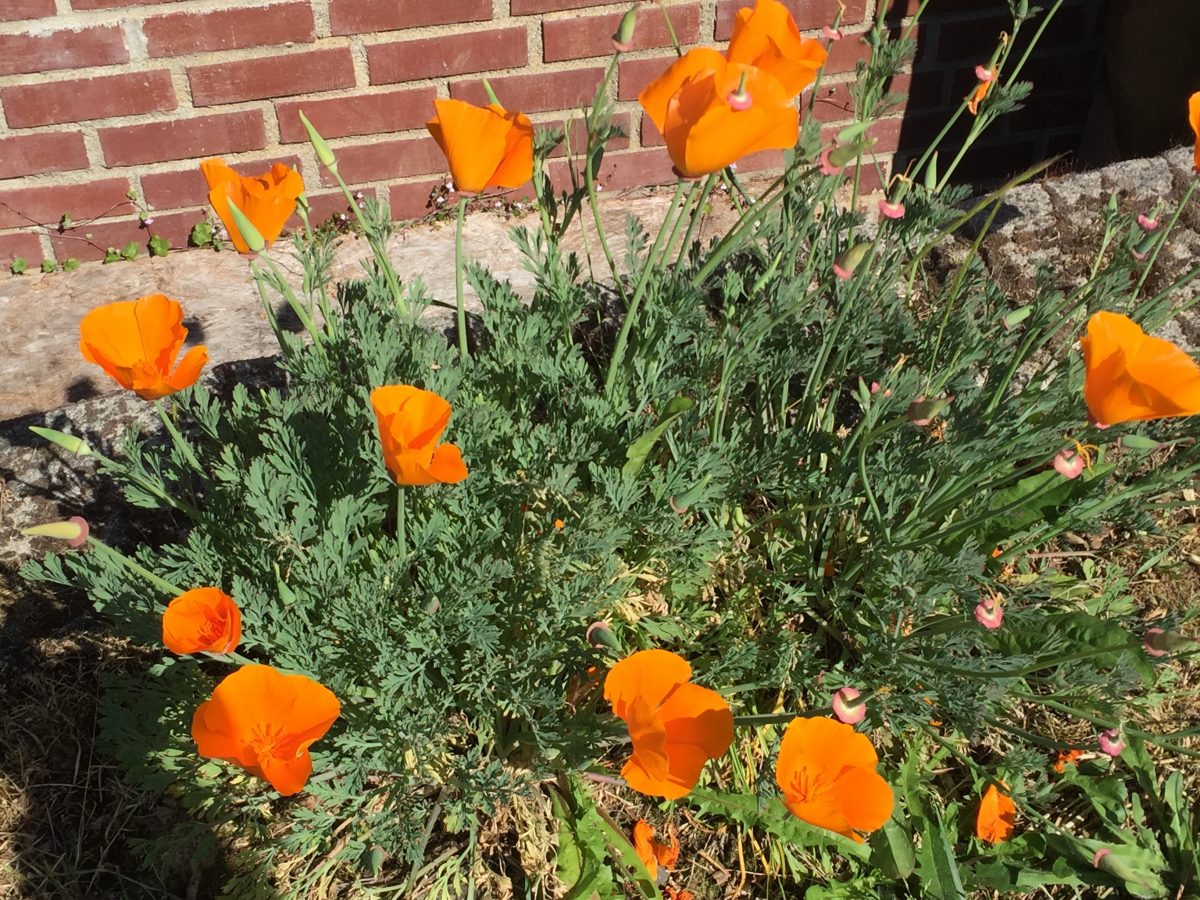
Since moving to Tacoma, WA, I enjoy discovering things that belong solely to the West Coast. These are California poppies:

California Poppies

Despite their name, they’re plentiful here in Washington, also.

(2) Our Glow-in-the-Sun Hydrant

fire hydrant

The fire hydrant directly across from our house got a shiny new coat of paint recently.

(3) The Pizza Man Delivers

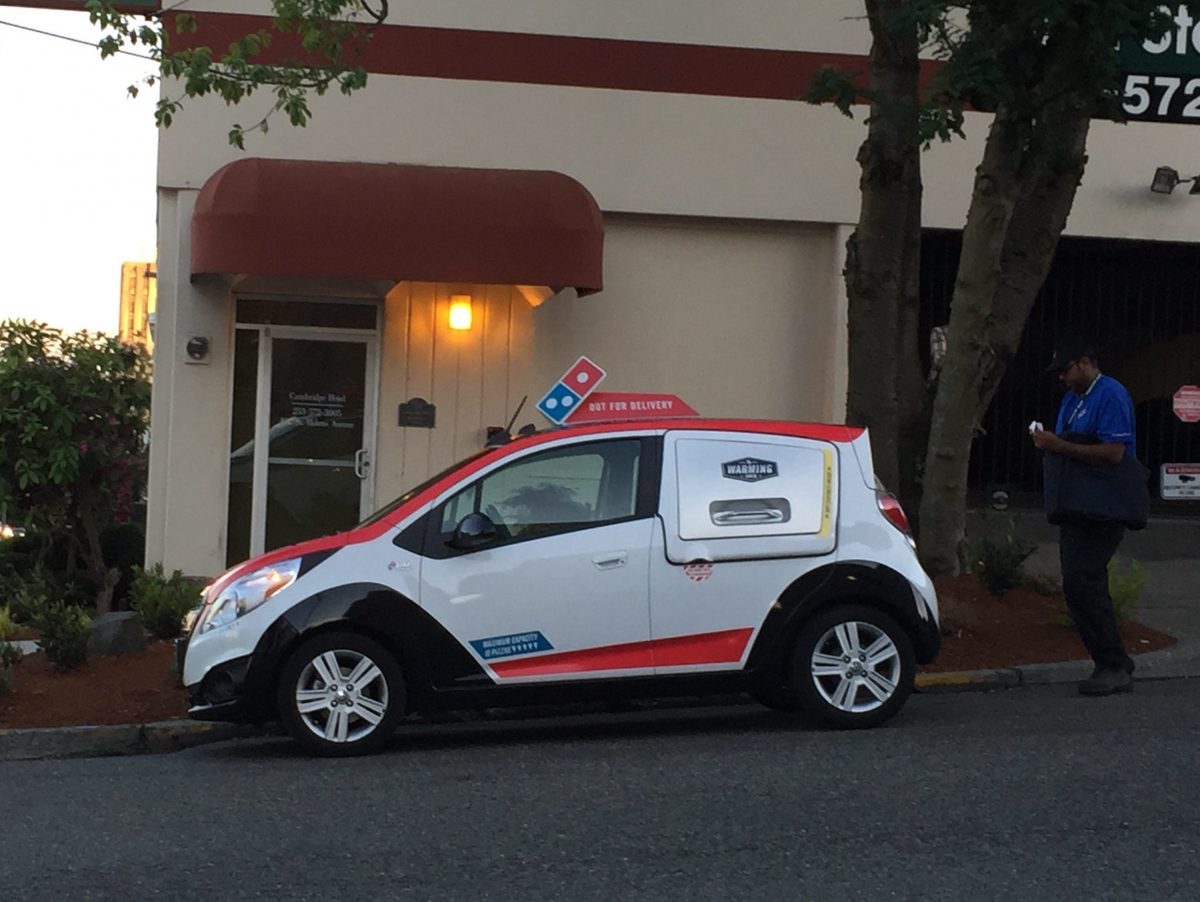
I think the first time I saw a TV ad for this car was during the Super Bowl:

pizza delivery car

At the time, I thought it must be a joke, but apparently not.

I hope everybody has a good week!

© 2016 by Mary Daniels Brown

Last Week’s Links

Thriving at Age 70 and Beyond

From Jane E. Brody, long-time health writer for the New York Times:

A recently published book, “70 Candles! Women Thriving in Their 8th Decade,” inspired me to take a closer look at how I’m doing as I approach 75 and how I might make the most of the years to come. It would be a good idea for women in my age cohort to do likewise. With a quarter of American women age 65 expected to live into their 90s, there could be quite a few years to think about.

About the book 70 Candles! Women Thriving in Their 8th Decade, Brody writes:

What are the most important issues facing these women as they age, and how might society help ease their way into the future? Leading topics the women chose to explore included work and retirement, ageism, coping with functional changes, caretaking, living arrangements, social connections, grandparenting and adjusting to loss and death.

Curtis Sittenfeld: Pride and Prejudice Then & Now

Curtis Sittenfeld’s latest book, Eligible, is a modern retelling of Jane Austen’s classic novel Pride and Prejudice.

While social rules have changed dramatically in the 200 years since the publication of Pride and Prejudice, Austen’s themes of love, wealth and class are still relevant. Women today can secure financial independence and enjoy intimate relationships without a marriage certificate. Yet societal pressures to marry and bear children persist. And so does the allure of “a single man in possession of a good fortune.”

Men Have Book Clubs, Too

Book clubs have a reputation as something women do together, but this article focuses on an all-male group in Marin County, CA:

The Man Book Club is going into its ninth year. It has 16 members, a number of whom are lawyers and engineers in their mid–50s. Each month, the host must prepare a meal appropriate to the book under discussion.

There’s also information on other all-male book groups around the country.

What You Really Lose When You Lose Perspective

Our perspective is how we perceive people, situations, ideas, etc. It’s informed by our personal experience, which makes it as unique as anything could be. Perspective shapes our life by affecting our choices. But the minute our minds become steeped in worry, perspective goes out of the window. We forget about our triumphs. We stop being optimistic as fear takes the wheel.

Sarah Newman explains how fear can cause us to lose sight of all the wisdom we’ve accrued over our lives.

Meg Rosoff on Coming of Age

Coming of age is such a common topic for fiction that this type of novel has its own name: Bildungsroman. These novels focus on the psychological growth of the main character from youth into adulthood.

Here novelist Meg Rosoff discusses these coming-of-age novels:

  • A Separate Peace by John Knowles
  • Pride and Prejudice by Jane Austen
  • Henry IV Part I by Shakespeare
  • Tess of the D’Urbervilles by Thomas Hardy
  • All the Pretty Horses by Cormac McCarthy
Older women more likely to be overprescribed inappropriate drugs: Study

A recent research study from the University of British Columbia found that:

Older women are nearly 25 percent more likely than men to be over-prescribed or inappropriately prescribed drugs, with a new study pointing to social dynamics as the explanation for the discrepancy.

When authors’ prejudices ruin their books

This is a common question among avid readers: Should authors’ prejudices affect our reactions to their books?

In this article Imogen Russell Williams asks:

The unsavoury attitudes found in novels from writers such as GK Chesterton and Susan Coolidge have ruined some of the fiction I loved most as a child. But where do you draw the line when you return to tainted classics?

© 2016 by Mary Daniels Brown

Three Things Thursday: A Lesson in 3 Trees

Thanks to Nerd in the Brain for the weekly challenge Three Things Thursday:

three things that make me smile: an exercise in gratitude – feel free to steal this idea with wild abandon and fill your blog with the happy

A Lesson in 3 Trees

It’s amazing what you’ll notice once you start paying attention.

(Click on any photo to see a larger version.)

(1) What does that tree remind you of?

sloth tree

This tree reminded me of a giant sloth, complete with hanks of shaggy fur.

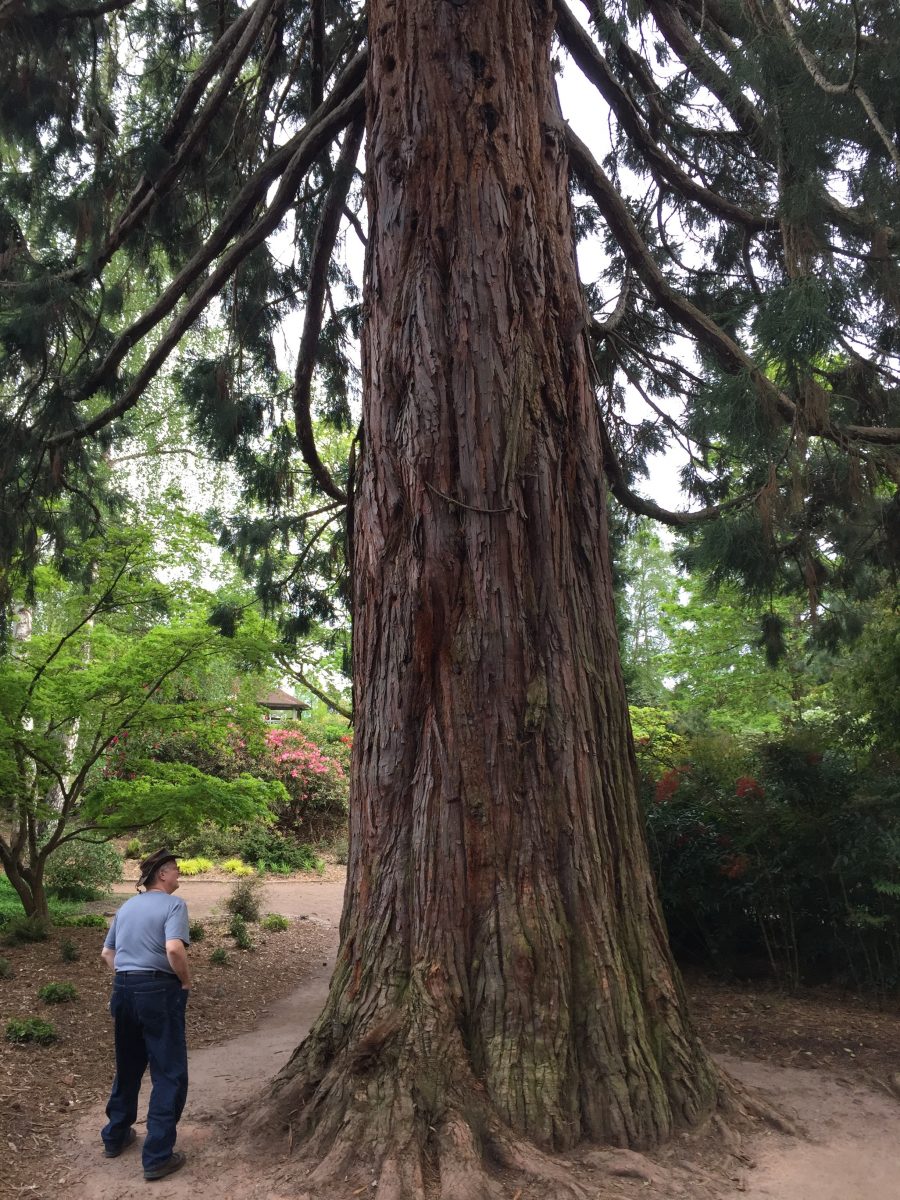
(2) How big is a Giant Sequoia?

Giant Sequoia

This big: And still growing!

(3) Where do pinecones come from?

formation of pinecones

Why, they grow on trees, of course.

Have a good week of looking at the world around you! Let me know what you find.

© 2016 by Mary Daniels Brown

Healthy Aging

Common medicines tied to changes in the brain

Commonly used drugs for problems like colds, allergies, depression, high blood pressure and heart disease have long been linked to cognitive impairment and dementia. Now researchers have some fresh evidence that may help explain the connection.

These drugs, known as anticholinergics, prevent the chemical acetylcholine from acting properly in the nervous system. Some of the drugs are “Benadryl for allergies, the antidepressant Paxil and the antipsychotic Zyprexa, Dimetapp for colds and the sleep aid Unisom.”

Use of these drugs may have more benefits than drawbacks for particular patients, and the authors acknowledge that the study has limitations.

Always consult your health care professional before starting or stopping any treatment.

The Secrets to a Happy Life, From a Harvard Study

Findings from “the Harvard Study of Adult Development, a research project that since 1938 has closely tracked and examined the lives of more than 700 men and in some cases their spouses,” demonstrate that an “important barometer of long term health and well-being is the strength of your relationships with family, friends and spouses.”

This is one reason why it’s important to replace workplace friends and colleagues with new associations after retirement.

Fruits and Vegetables to Fight Cataracts

Cataracts that cloud the lenses of the eye develop naturally with age, but a new study is one of the first to suggest that diet may play a greater role than genetics in their progression.

Among about 1,000 pairs of female twins in Britain, “researchers found that women who consumed diets rich in vitamin C and who ate about two servings of fruit and two servings of vegetables a day had a 20 percent lower risk of cataracts than those who ate a less nutrient-rich diet.”

There are two interesting findings here:

(1) Women who consumed twice the recommended daily allowance (RDA) of 75 milligrams a day of vitamin C had a 33% lower risk of progression of cataracts than those who ate less vitamin C. (The RDA of vitamin C for adult men is 90 milligrams a day, but this research involved only women.)

(2) The study found no benefit from vitamin C supplements, only from vitamin C in the diet.

“Foods high in vitamin C include oranges, cantaloupe, kiwi, broccoli and dark leafy greens.”

Walk, Jog or Dance: It’s All Good for the Aging Brain

According to a study published in March in The Journal of Alzheimer’s Disease:

regular walking, cycling, swimming, dancing and even gardening may substantially reduce the risk of Alzheimer’s.

A Fun, New Exercise Trend for People Over 50

Outdoor playgrounds for older people are popping up across the country. Popular in Europe, the facilities typically feature low-impact exercise equipment designed to promote flexibility, balance and coordination. These play spaces — most built over the last decade — can now be found in Miami, Kansas City, Los Angeles, Boston, Seattle, Cedar Rapids, New York City and scores of other communities across the country.

And fitness isn’t the only potential benefit. Because these playgrounds appear in parks and other public areas, they encourage social interaction that can help fight the isolation many people encounter as they age. Most of the standard equipment is also appropriate for all ages, which leads to interaction between adults and children.

© 2016 by Mary Daniels Brown

Last Week’s Links

I’m trying out something different this week. I have three blogs:

Because of these wide-ranging interests, I often end up with lots of open browser tabs containing quite a variety of materials.

Since sorting all these materials out for the individual blogs can be quite time-consuming, I’m going to try to streamline my blogging process by putting together a weekly list of all the interesting articles I come across and publishing the same post to all three of the blogs. Feel free to click on whichever links interest you and to ignore the rest.

Note: In compiling this initial list, I discovered that I’ve actually been holding many of these tabs open for two weeks. Therefore, this entry is longer than future ones will probably be.

scroll divider

Taking On the Ph.D. Later in Life

While the overall age of Ph.D. candidates has dropped in the last decade, about 14 percent of all doctoral recipients are over age 40, according to the National Science Foundation. Relatively few students work on Ph.D.s [in their 60s], but educators are seeing increasing enrollment in doctoral programs by students in their 40s and 50s. Many candidates hope doctorates will help them advance careers in business, government and nonprofit organizations; some … are headed for academic research or teaching positions.

This article caught my eye because I started working on a doctorate at age 57 and finally received my degree on my 63rd birthday. About 30 years earlier I had completed the course work but not the dissertation for a doctorate in English and American literature. My main motivation for returning to school was to fulfill a life-long dream of earning a Ph.D., but I also benefitted from being able to focus my studies on the particular area I was interested in (life stories).

You Can Go Home Again: The Transformative Joy Of Rereading

Returning to a book you’ve read multiple times can feel like drinks with an old friend. There’s a welcome familiarity — but also sometimes a slight suspicion that time has changed you both, and thus the relationship. But books don’t change, people do. And that’s what makes the act of rereading so rich and transformative.

Juan Vidal explains why he rereads three books every year: A Moveable Feast by Ernest Hemingway, Holy the Firm by Annie Dillard, and Save Twilight: Selected Poems by Julio Cortázar.

Michael Kinsley’s ‘Old Age: A Beginner’s Guide’

Longevity breeds literature. As people (including writers) live longer thanks to medical advances, we can expect many more books contemplating the vicissitudes of aging, illness and dying. These topics, previously thought uncommercial, not to mention unsexy, have been eloquently explored recently by Diana Athill (“Somewhere Towards the End”), Roger Angell (“This Old Man”) and Christopher Hitchens (“Mortality”), among others. Now that the baby boom generation, defined as those born between 1946 and 1964, “enter life’s last chapter,” Michael Kinsley writes, “there is going to be a tsunami of books about health issues by every boomer journalist who has any, which ultimately will be all of them.” Hoping to scoop the others, he has written “Old Age,” a short, witty “beginner’s guide,” with an appropriate blend of sincerity and opportunism.

100 MUST-READ WORKS OF SOUTHERN LITERATURE

Literature of the American South comprises more than just Harper Lee’s To Kill a Mockingbird and the works of William Faulkner. Here Emily Gatlin provides a class list of the full range of works that illustrate the Southern literary experience.

‘Literature about medicine may be all that can save us’

A new generation of doctor writers is investigating the mysteries of the medical profession, exploring the vital intersection between science and art

In telling the stories of illness, we need to tell the stories of the lives within which illness is embedded. Neither humanism nor medicine can explain much without the other, and so many people ricochet between two ways of describing their very being. This is in part because medicine has become so much harder to understand, with its designer molecules, bewildering toxins and digital cameras inserted into parts of ourselves we have never seen, nor wanted to see.

Telling the stories of illness has given rise to a movement known as “narrative medicine,” or, more broadly, “medical humanities.” We are seeing more and more memoirs by patients about their experiences of illness and by doctors about their attempts to understand their patients’ stories. Many of the books by physicians include their authors’ own experiences of being ill.

Books by physicians concerned about understanding patients’ stories of illness discussed here include the following:

Complications: A Surgeon’s Notes on an Imperfect Science by Atul Gawande
Being Mortal by Atul Gawande
Do No Harm: Stories of Life, Death and Brain Surgery by Henry Marsh
What Doctors Feel by Danielle Ofri
The Emperor of All Maladies: A Biography of Cancer by Siddhartha Mukherjee
When Breath Becomes Air by Paul Kalanithi
Adventures in Human Being by Gavin Francis

The Best Music for Staying Productive at Work, Backed by Science

I always used to want complete quiet when reading or concentrating, but when I went back to school I discovered that certain types of music could help me focus. This article summarizes the research demonstrating how music can increase concentration and discusses which types of music work best for this purpose.

The best part of this article is the links to examples of music for focus in these categories: classical, electronic, video game soundtracks, ambient noise, and “everything else.”

Neuroscientists create ‘atlas’ showing how words are organised in the brain

Scientists have created an “atlas of the brain” that reveals how the meanings of words are arranged across different regions of the organ.

Described as a “tour de force” by one researcher who was not involved in the study, the atlas demonstrates how modern imaging can transform our knowledge of how the brain performs some of its most important tasks. With further advances, the technology could have a profound impact on medicine and other fields.

Thinking Beyond Money in Retirement

After a career of working, scrimping and saving, many retirees are well prepared financially to stop earning a living. But how do you find meaning, identity and purpose in the remaining years of your life?

WOMEN DETECTIVES IN FACT AND FICTION

This excerpt from Pistols and Petticoats: 175 Years of Lady Detectives in Fact and Fiction by Erika Janik discusses the female detectives, real and literary, who preceded Sue Grafton’s Kinsey Millhone and Sara Paretsky’s V.I. Warshawski.

© 2016 by Mary Daniels Brown