Last Week’s Links

Recent Articles on Aging, Reading, and Life in the Pacific Northwest

Why you should care about this week’s giant earthquake drill

About 20,000 people are testing the region’s readiness for disaster this week, preparing for an earthquake-and-tsunami one-two punch that could devastate the Pacific Northwest should a megaquake rip along the 600-mile-long offshore fault known as the Cascadia Subduction Zone.

The “Cascadia Rising” exercise — the largest of its kind ever in the Pacific Northwest — tests emergency responses across the region.

The potential for destruction here is staggering. Here’s just one statistic:

FEMA projects that about 9,400 people in Washington would die in the event of a megaquake and tsunami.

Is It Harder to Be Transported By a Book As You Get Older?

I’ve always loved losing myself in a great work of fiction, and the question of whether that pleasure has diminished as I’ve gotten older never even crossed my mind.

Bookends is a recurring feature in the New York Times:

In Bookends, two writers take on questions about the world of books. This week, Francine Prose and Benjamin Moser discuss the difficulties of getting lost in reading after a certain age.

Francine Prose writes that she no longer gets immersed in books as she did as a child:

A neurologist friend says that adults are likelier than children to cross-­reference when they read, to compare people and things in a book with people and things they know, which is why an adult reading experience may be a “dip” compared with the child’s “soak.” I enjoy reading a book written centuries ago and discovering a character almost exactly like someone I know. And so I am cross-referencing: My attention is divided between the fictional character and the real-life counterpart.

She admits, however, that “Despite everything, immersion still happens”:

I’m more surprised and grateful now to be transported by words on a page from one world to another. Perhaps because, as grown-ups, we value what is harder won.

Benjamin Moser, on the other hand, believes that becoming a writer ruined him for the experience of getting lost in a book:

As I’ve grown older, I’ve reluctantly discovered that I don’t, in fact, really want to read more books. That doesn’t mean I don’t want to read. I find, though, I want to read the same books.

What those books have in common, he says is this:

they do not try to drag me into a narrative. I can open them to any page and read words — as many or as few as I like — that clean my brain rather than stuff it. The longer I write, the more I realize that stories are the last thing I need. What is missing are not stories but the words to tell them.

Libraries in care homes can improve residents’ mood and memory

Norman Miller describes how reading groups can serve older adults:

A growing number of care homes are discovering that libraries and reading groups can transform the lives of their residents, including those with dementia.

Research published by the centre for research into reading, literature and society (Crils) at the University of Liverpool has found that while any reading helps sharpen the minds of older people, shared reading in groups offers particular benefits. Almost 90% of participants reported uplifted mood, better concentration and better long- and short-term memory.


© 2016 by Mary Daniels Brown

On Aging

Just Turned 40? An Architect Says It’s Time To Design For Aging

When Architect Matthias Hollwich was approaching 40, he wondered what the next 40 years of his life might look like. He looked into the architecture that serves older adults, places like retirement communities and assisted living facilities, and didn’t like what he saw. But what if we changed our habits earlier in life so we could stay in the communities we already live in?

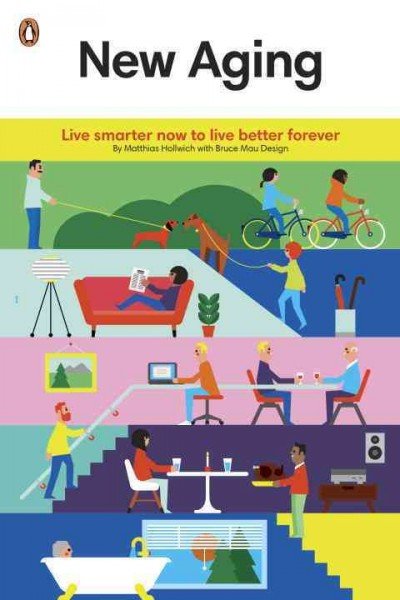
new agingArchitect Matthias Hollwich, a visiting professor at the University of Pennsylvania, has partnered with Bruce Mau Design to produce the book New Aging: Live Smarter Now to Live Better Forever.

The book discusses how to build not only living quarters but also social networks and communities to keep people engaged with society while they age. Social isolation is one of the most common and most debilitating aspects of aging. People who are able to maintain social ties do better both physically and mentally as they age.

I tried on a suit that simulates being an 85 year-old, and it totally changed how I view aging

Chris Weller writes for Tech Insider:

I recently visited the Liberty Science Center in New Jersey to check out the Genworth Aging Experience, a new exhibit from Applied Minds that uses a high-tech exoskeleton to let people feel what life is like at 85 years old.

The suit allowed Weller to experience common ailments of aging, including macular degeneration, tinnitus (ringing in the ears), speech impediments, and physical impairments. Using virtual reality goggles and a treadmill, Weller discovered how difficult a walk on the beach, which most younger people find a soothing experience, is for an older person.

For the first time in history, people 65 years and older now outnumber children 5 and younger around the world. Without a clear understanding of how the world’s demographics are shifting, we can’t fully prepare for the change or appreciate its effects once it happens.

Follow the links in the article to learn more about the Genworth Aging Experience.

Multigenerational Homes That Fit Just Right

The number of Americans living in multigenerational households — defined, generally, as homes with more than one adult generation — rose to 56.8 million in 2012, or about 18.1 percent of the total population, from 46.6 million, or 15.5 percent of the population in 2007, according to the latest data from Pew Research. By comparison, an estimated 28 million, or 12 percent, lived in such households in 1980.

An interesting article about houses specially designed to hold two or three generations while allowing each its own space.

Why Do Older People Love Facebook? Let’s Ask My Dad

In a survey of over 350 American adults between the ages of 60 and 86, researchers at Pennsylvania State University found that older people enjoy the same things their younger counterparts do: using Facebook to bond with old friends and develop relationships with like-minded people. They also like to keep tabs on their loved ones.

There’s more evidence here that older adults are one of the fastest growing groups on social media: “As Facebook continues to be a bigger part of American life, the ever-growing population of older Americans is figuring out how to adapt.” As we boomers continue to age, communicating via social media will become increasingly important.

© 2016 by Mary Daniels Brown

Last Week’s Links

Thriving at Age 70 and Beyond

From Jane E. Brody, long-time health writer for the New York Times:

A recently published book, “70 Candles! Women Thriving in Their 8th Decade,” inspired me to take a closer look at how I’m doing as I approach 75 and how I might make the most of the years to come. It would be a good idea for women in my age cohort to do likewise. With a quarter of American women age 65 expected to live into their 90s, there could be quite a few years to think about.

About the book 70 Candles! Women Thriving in Their 8th Decade, Brody writes:

What are the most important issues facing these women as they age, and how might society help ease their way into the future? Leading topics the women chose to explore included work and retirement, ageism, coping with functional changes, caretaking, living arrangements, social connections, grandparenting and adjusting to loss and death.

Curtis Sittenfeld: Pride and Prejudice Then & Now

Curtis Sittenfeld’s latest book, Eligible, is a modern retelling of Jane Austen’s classic novel Pride and Prejudice.

While social rules have changed dramatically in the 200 years since the publication of Pride and Prejudice, Austen’s themes of love, wealth and class are still relevant. Women today can secure financial independence and enjoy intimate relationships without a marriage certificate. Yet societal pressures to marry and bear children persist. And so does the allure of “a single man in possession of a good fortune.”

Men Have Book Clubs, Too

Book clubs have a reputation as something women do together, but this article focuses on an all-male group in Marin County, CA:

The Man Book Club is going into its ninth year. It has 16 members, a number of whom are lawyers and engineers in their mid–50s. Each month, the host must prepare a meal appropriate to the book under discussion.

There’s also information on other all-male book groups around the country.

What You Really Lose When You Lose Perspective

Our perspective is how we perceive people, situations, ideas, etc. It’s informed by our personal experience, which makes it as unique as anything could be. Perspective shapes our life by affecting our choices. But the minute our minds become steeped in worry, perspective goes out of the window. We forget about our triumphs. We stop being optimistic as fear takes the wheel.

Sarah Newman explains how fear can cause us to lose sight of all the wisdom we’ve accrued over our lives.

Meg Rosoff on Coming of Age

Coming of age is such a common topic for fiction that this type of novel has its own name: Bildungsroman. These novels focus on the psychological growth of the main character from youth into adulthood.

Here novelist Meg Rosoff discusses these coming-of-age novels:

  • A Separate Peace by John Knowles
  • Pride and Prejudice by Jane Austen
  • Henry IV Part I by Shakespeare
  • Tess of the D’Urbervilles by Thomas Hardy
  • All the Pretty Horses by Cormac McCarthy
Older women more likely to be overprescribed inappropriate drugs: Study

A recent research study from the University of British Columbia found that:

Older women are nearly 25 percent more likely than men to be over-prescribed or inappropriately prescribed drugs, with a new study pointing to social dynamics as the explanation for the discrepancy.

When authors’ prejudices ruin their books

This is a common question among avid readers: Should authors’ prejudices affect our reactions to their books?

In this article Imogen Russell Williams asks:

The unsavoury attitudes found in novels from writers such as GK Chesterton and Susan Coolidge have ruined some of the fiction I loved most as a child. But where do you draw the line when you return to tainted classics?

© 2016 by Mary Daniels Brown

Healthy Aging

Common medicines tied to changes in the brain

Commonly used drugs for problems like colds, allergies, depression, high blood pressure and heart disease have long been linked to cognitive impairment and dementia. Now researchers have some fresh evidence that may help explain the connection.

These drugs, known as anticholinergics, prevent the chemical acetylcholine from acting properly in the nervous system. Some of the drugs are “Benadryl for allergies, the antidepressant Paxil and the antipsychotic Zyprexa, Dimetapp for colds and the sleep aid Unisom.”

Use of these drugs may have more benefits than drawbacks for particular patients, and the authors acknowledge that the study has limitations.

Always consult your health care professional before starting or stopping any treatment.

The Secrets to a Happy Life, From a Harvard Study

Findings from “the Harvard Study of Adult Development, a research project that since 1938 has closely tracked and examined the lives of more than 700 men and in some cases their spouses,” demonstrate that an “important barometer of long term health and well-being is the strength of your relationships with family, friends and spouses.”

This is one reason why it’s important to replace workplace friends and colleagues with new associations after retirement.

Fruits and Vegetables to Fight Cataracts

Cataracts that cloud the lenses of the eye develop naturally with age, but a new study is one of the first to suggest that diet may play a greater role than genetics in their progression.

Among about 1,000 pairs of female twins in Britain, “researchers found that women who consumed diets rich in vitamin C and who ate about two servings of fruit and two servings of vegetables a day had a 20 percent lower risk of cataracts than those who ate a less nutrient-rich diet.”

There are two interesting findings here:

(1) Women who consumed twice the recommended daily allowance (RDA) of 75 milligrams a day of vitamin C had a 33% lower risk of progression of cataracts than those who ate less vitamin C. (The RDA of vitamin C for adult men is 90 milligrams a day, but this research involved only women.)

(2) The study found no benefit from vitamin C supplements, only from vitamin C in the diet.

“Foods high in vitamin C include oranges, cantaloupe, kiwi, broccoli and dark leafy greens.”

Walk, Jog or Dance: It’s All Good for the Aging Brain

According to a study published in March in The Journal of Alzheimer’s Disease:

regular walking, cycling, swimming, dancing and even gardening may substantially reduce the risk of Alzheimer’s.

A Fun, New Exercise Trend for People Over 50

Outdoor playgrounds for older people are popping up across the country. Popular in Europe, the facilities typically feature low-impact exercise equipment designed to promote flexibility, balance and coordination. These play spaces — most built over the last decade — can now be found in Miami, Kansas City, Los Angeles, Boston, Seattle, Cedar Rapids, New York City and scores of other communities across the country.

And fitness isn’t the only potential benefit. Because these playgrounds appear in parks and other public areas, they encourage social interaction that can help fight the isolation many people encounter as they age. Most of the standard equipment is also appropriate for all ages, which leads to interaction between adults and children.

© 2016 by Mary Daniels Brown

Notes on Aging

Tai Chi and Heart Disease

Tai chi is a favorite type of exercise offered to older adults because it requires only slow, gentle movement and deep breathing. Tai chi helps improve balance, an important benefit to help prevent falls and their related injuries. Some more recent evidence also suggests that tai chi may also promote cardiovascular health by slowing heart rate and lowering blood pressure.

Ask Your Doctor if This Ad Is Right for You

The health care industry spent $14 billion on advertising in 2014, according to Kantar Media, a jump of nearly 20 percent since 2011. That includes over-the-counter medications, but not sponsorships (the Super Bowl had two health care systems as partners). While magazine advertising has dropped off somewhat with the withering of the publishing industry, television advertising has risen 55 percent for hospitals and 30 percent for prescription drugs in that period.

This article, not specifically directed toward older adults, examines advertising trends that attempt to drive people with good health insurance toward expensive prescription drugs and treatment programs. Many of these advertisements occur on television during popular programs such as presidential debates and sports events like the Super Bowl. Many of the pricey drugs advertised are available in much cheaper generic brands.

But as the volume and spending on advertising increases, health economists and doctors are raising concerns about the trend, which they say increases prices and encourages patients to seek out more expensive and, often, inappropriate treatment.

Using the Arts to Promote Healthy Aging

across the country, the arts in their myriad forms are enhancing the lives and health of older people — and not just those with dementia— helping to keep many men and women out of nursing homes and living independently. With grants from organizations like the National Endowment for the Arts and the National Institute on Aging, incredibly dedicated individuals with backgrounds in the arts have established programs that utilize activities as diverse as music, dance, painting, quilting, singing, poetry writing and storytelling to add meaning, joy and a vibrant sense of well-being to the lives of older people.

Read about how programs that keep people creatively engaged in the arts are improving the quality of life for many older adults.

Why living in a 55-plus community may be better for your health

When my husband and I decided to move 2,000 miles away for retirement, we had to decide whether to buy a house or enter a retirement community in our new city. We decided on a retirement community because we didn’t want to have to bother with chores such as mowing the lawn and cleaning out the gutters. Only after we had been here for a while did we realize how much easier it is to meet people and to stay socially active in a retirement community than it would have been in a house.

This article well describes how living in a senior-oriented community can improve quality of life for older adults. There’s also information here on CCRCs, continuing-care retirement communities, which offer “a range of long-term options that, in addition to independent town homes or apartments, can include on-site assisted-living facilities, memory care units for residents who develop dementia, and nursing homes.”

Entering just about any senior community can involve many rules and regulations, so be sure to read over and understand everything before you sign a contract.

The $1,000 Shoes

Joyce Wadler confesses:

I just paid $1,000 for a pair of orthopedic shoes. I was forced to do this because as one gets older, one’s feet often get wider, and designers, concerned as they are with cultivating older shoppers, offer shoes that look like boats… . When I was in my 20s and saw older women in these ugly shoes, I wondered what made them buy them. Now I understand that it was the same thing that made them go out with unsuitable men: availability. You search and search and there’s nothing out there. After a while you say: “I can’t take it. Just let me find something I can make do with. I don’t care if it’s not perfect, just let it get me through the Kornberg destination funeral.”

I haven’t worn anything but flat shoes for probably 15 years now. My problem wasn’t my feet; it was my back. At some point you just have to decide which is more important, vanity or comfort.

And here’s another confession, perhaps related: I haven’t worn a dress or skirt in about the same length of time. Pants are just so much more comfortable, and they cover my worst feature, my large calves. Also, it’s much easier to find flat shoes to go with pants than flat shoes that go with skirts.

And thank heaven for retirement, which has rendered all these considerations moot. I never go anywhere that requires an outfit dressier than nice pants (though I prefer jeans), and I’ll even wear my open-toe sandals, which fit amazingly well, in winter if I can’t get away with comfortable athletic shoes.

I do admit, though, that sometimes even those comfortable athletic shoes cost way more than I think they should. But nowhere near $1,000.

Notes on Aging

Centenarians Proliferate, and Live Longer

It’s nice to see some good news for us old folks. Thanks to medical advances such as vaccines and antibiotics, improvements in hygiene, and new technology and medical treatments, the number of Americans age 100 and older is up by 44% since 2000. And not only are there more centenarians, but they are living longer.

The news is especially good for women:

Women, who typically live longer than men, accounted for the overwhelming majority of centenarians in 2014: more than 80 percent.

It’s likely that the numbers will continue to increase as more and more Baby Boomers enter retirement. “Experts are warning that the United States is unprepared to handle such large numbers of seniors, especially as the life expectancy of older people continues to rise.”

Ranks of U.S. centenarians growing rapidly: report

Reuters also reports on the same data as in New York Times article above, released by the Centers for Disease Control and Prevention.

Genetic research indicates that about 17 percent of the U.S. population has traits that increase their chances of living past 100, said Dr. Thomas Perls, a geriatrician and director of the New England Centenarian Study at Boston Medical Center.

Perls added that in the early 1900s people lost about one quarter of their children to infectious diseases and other public health problems. Medical advances have greatly increased the number of people who now survive the critical years of childhood.

The top causes of death among centenarians in 2014 were heart disease, Alzheimer’s disease, stroke, cancer, influenza and pneumonia, the CDC study found.

Ask the aged

Gerontologist Karl Pillemer offers some informative observations about what happened when he stopped conducting research and performing statistical analyses on aging and went out and actually talked with some older people.

One question he asked was whether one needs a purpose in life and, if so, how to discover it. His respondents told him “you are likely to have a number of purposes, which will shift as you progress through life”:

The elders recommend that we re-shape the quest for a purpose, thinking instead of looking for a general direction and pursuing it energetically and courageously. Determining a direction in life is easier, more spontaneous, more flexible, and less laden with overtones of a mystical revelation that sets you on an immutable life path. Times change, circumstances change – indeed, change itself is the norm rather than the exception. A grand purpose, in their view, is not only unnecessary – it can also get in the way of a fulfilling career. Instead, they have offered the idea of finding an orientation, a ‘working model’ if you will, that guides you through each phase of life.

And the way to find such an orientation, Pillemer says, is to interview your future self. That’s literally impossible, of course, but the next best thing is to talk with an older person who is living the life you’d like to see your future self living, someone who is

preferably really old. You don’t want a 40-year-old if you are 20; you want someone in his or her 80s, 90s, or a centenarian if you can find one. You need your future self to have the truly long view, as well as the detachment that comes from a very long life.

If you’re already in that preferred age group, why not consider making yourself available to be interviewed by people just starting out in life through a mentoring or community service program?

As Population Ages, Where Are the Geriatricians?

Who is going to take care of all of us as we continue to live longer?

Geriatrics is one of the few medical specialties in the United States that is contracting even as the need increases, ranking at the bottom of the list of specialties that internal medicine residents choose to pursue.

Geriatricians are physicians already certified in internal or family medicine who have had additional training in caring for older adults. They are equipped to handle not only medical care, but also the psychological and social problems of aging.

According to the article, a big part of the reason that so few physicians choose geriatrics is Medicare, the insurance program that covers U.S. Citizens age 65 and older:

Since the health care of older patients is covered mostly by Medicare, the federal insurance program’s low reimbursement rates make sustaining a geriatric practice difficult, many in the field say.

Medicare also does not reimburse physicians for much of the long consultation time that may be necessary for advising patients and their family members and/or caregivers.

Older Actors Are Having an Awards Season Moment – The New York Times

This year’s films with seasoned stars (“please don’t say ‘veteran,’” Ian McKellen, a hale 76, implored during a recent fireside chat with the Bagger at his hotel suite) also largely depart from familiar narrative arcs, like wrestling with dementia. (An exception is “Mr. Holmes,” in which Mr. McKellen’s famous detective struggles with a failing mind.) They don’t reduce their characters to what have become antediluvian caricatures: wholly sweet, or sharp-tongued, or doddering or dotty. In this year’s batch, the characters have sex; smoke marijuana; flirt; curse a mean streak; and, in the case of “45 Years,” ache over fresh emotional wounds.

Source: Older Actors Are Having an Awards Season Moment – The New York Times

Notes on Aging

Lifting Weights, Twice a Week, May Aid the Brain

Many neurological studies have found that, by late middle age, most of us have begun developing age-related holes or lesions in our brains’ white matter, which is the material that connects and passes messages between different brain regions.

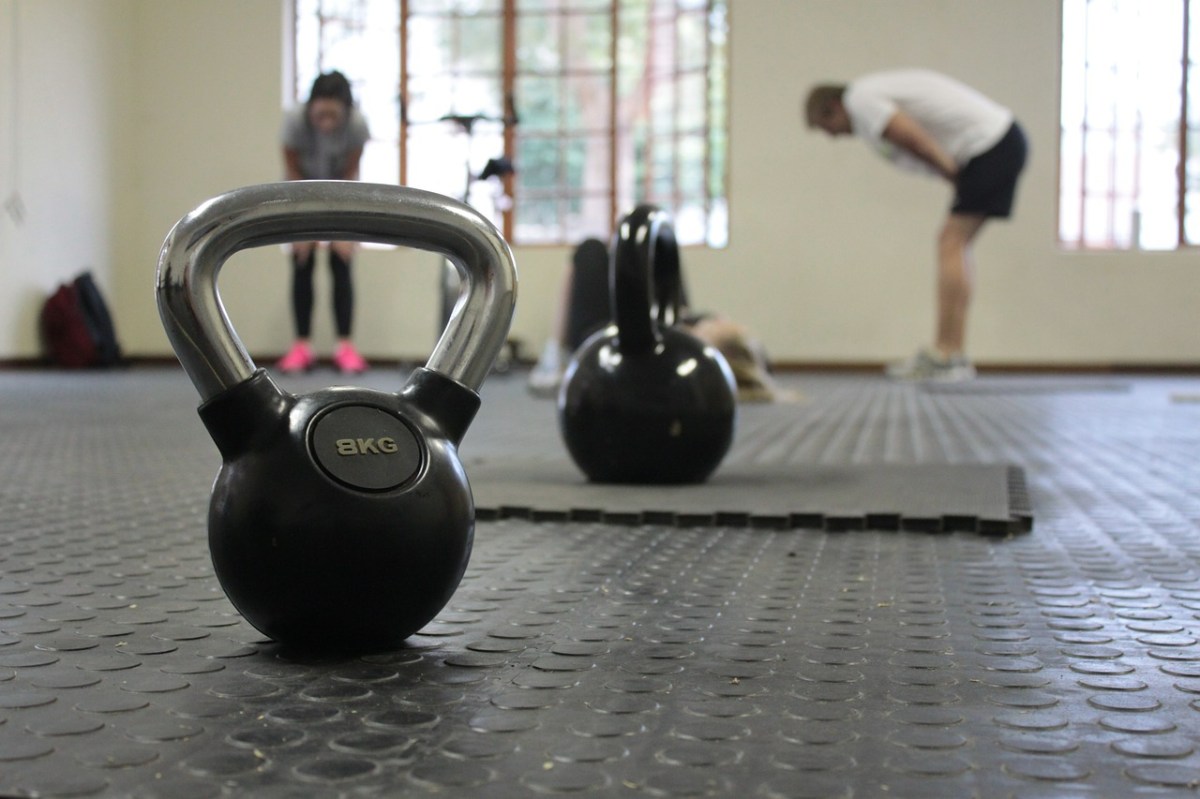
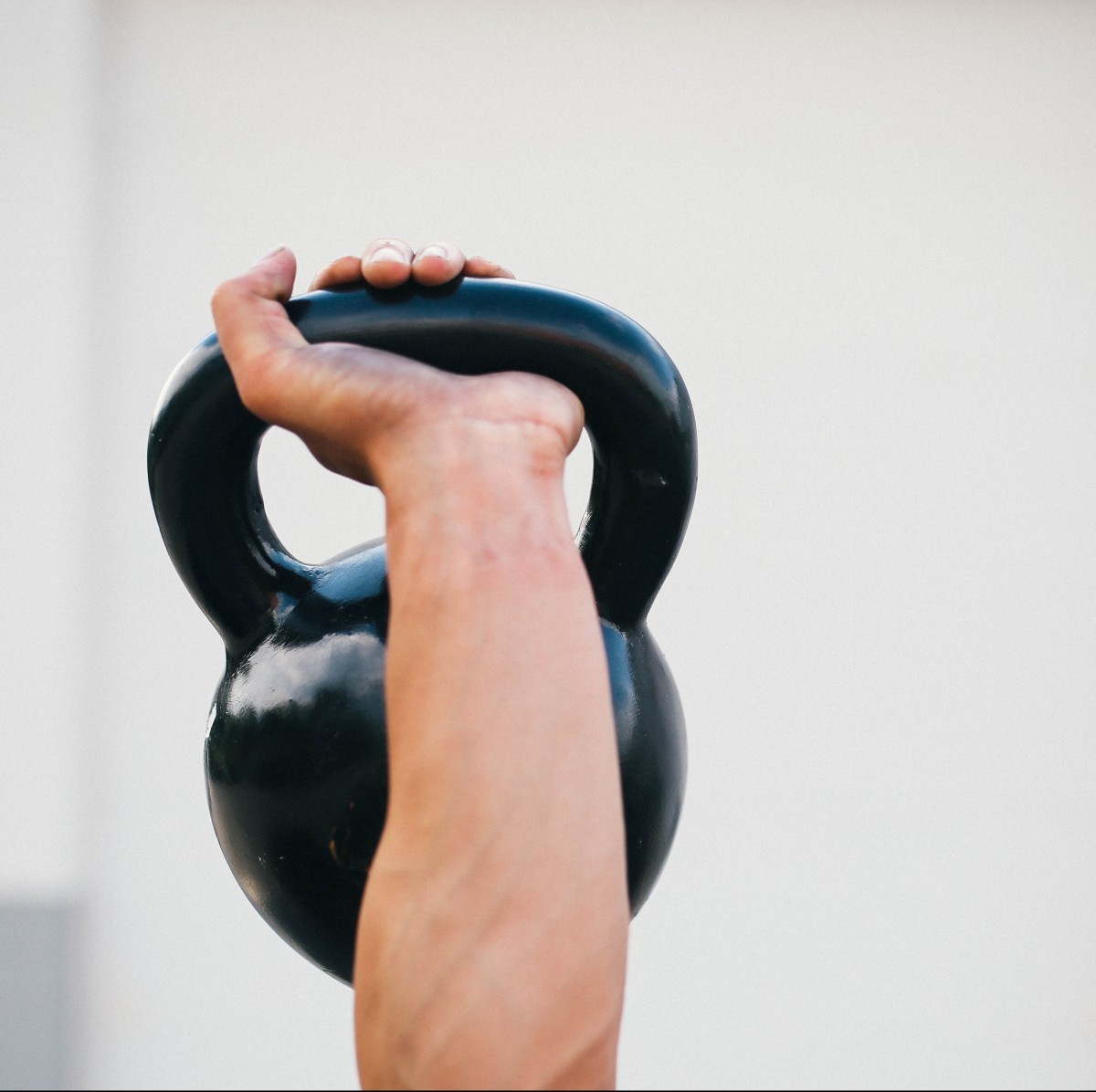
lifting kettle bellThese brain lesions show up on imaging studies before people begin experiencing their symptoms, just as osteoarthritis (joint degeneration) shows up on x-rays before people begin feeling pain. Most studies that advocate the benefits of exercise on maintaining brain health have focused on aerobic exercise, such as brisk walking. But a new study suggests that light resistance exercise, lifting weights, may also improve brain health.

Teresa Liu-Ambrose, professor of physical therapy and director of the Aging, Mobility, and Cognitive Neuroscience Laboratory at the University of British Columbia in Vancouver, looked at the brains of a large group of generally healthy women between the ages of 65 and 75 who already were enrolled in a brain health study that she was leading. The new study focused on 54 of the women whose brain scans showed existing white matter lesions.

For this study, researchers divided the participant pool into three groups:

  1. Those who began a once-weekly program of light upper- and lower-body weight training
  2. Those who underwent the same weight training program twice a week
  3. The control group, who began a twice-weekly program of stretching exercises and balance training

The results found that those in group 2 “displayed significantly less shrinkage and tattering of their white matter” than those in both of the other two groups. These results, published in The Journal of the American Geriatrics Society, suggest that working out just once a week may not be sufficient.

Whatever the reason, exercise, including weight training, clearly “has benefit for the brain,” Dr. Liu-Ambrose said. “However we are just really now gaining an appreciation for how impactful exercise can be.”

Can You Get Smarter?

In this opinion piece in the New York Times, Richard A. Friedman, professor of clinical psychiatry at Weill Cornell Medical College, examines the question of whether brain training can enhance memory and cognitive functioning. Since “one in nine people age 65 and older has Alzheimer’s disease,” concerns about maintaining brain health are common, and brain training has become a multibillion-dollar industry.

Friedman looks at the effects of several areas of intervention on improving brain health: mental exercises, physical exercise, and medication. He discusses both the encouraging news and the caveats arising from the scientific research.

He concludes that there is one thing that consistently seems to help preserve cognitive functioning: other people. Analysis of data from a large study:

showed that people with the highest level of social integration had less than half the decline in their cognitive function of the least socially active subjects. Also, the cognitive protective effects of socializing were greatest among subjects with fewer than 12 years of education.

Friedman concludes:

there is much that you can do to reach your cognitive potential and to keep it. Forget the smart drugs and supplements; put on your shorts and go exercise. If you’re 60 and up, consider brain training. And do it all with your friends.

Costs for Dementia Care Far Exceeding Other Diseases, Study Finds

Three diseases, leading killers of Americans, often involve long periods of decline before death. Two of them — heart disease and cancer — usually require expensive drugs, surgeries and hospitalizations. The third, dementia, has no effective treatments to slow its course.

This eye-opening article looks at the costs associated with long-term care of patients with dementia. What’s most sobering is the that fact that much of the required care is not covered by Medicare:

On average, the out-of-pocket cost for a patient with dementia was $61,522 — more than 80 percent higher than the cost for someone with heart disease or cancer.

While Medicare covers medical care, such as doctor visits, hospitalization, and surgery, it does not cover the personal care required by many people with dementia—help with bathing, dressing, and eating. Most people pay for this care from their own funds. When they have nothing left, Medicaid, a joint federal and state program, takes over.

This article makes clear why caring for an elderly relative with dementia can be such a devastating burden, both physically and financially.

Assessing the Fitness of Wearable Tech

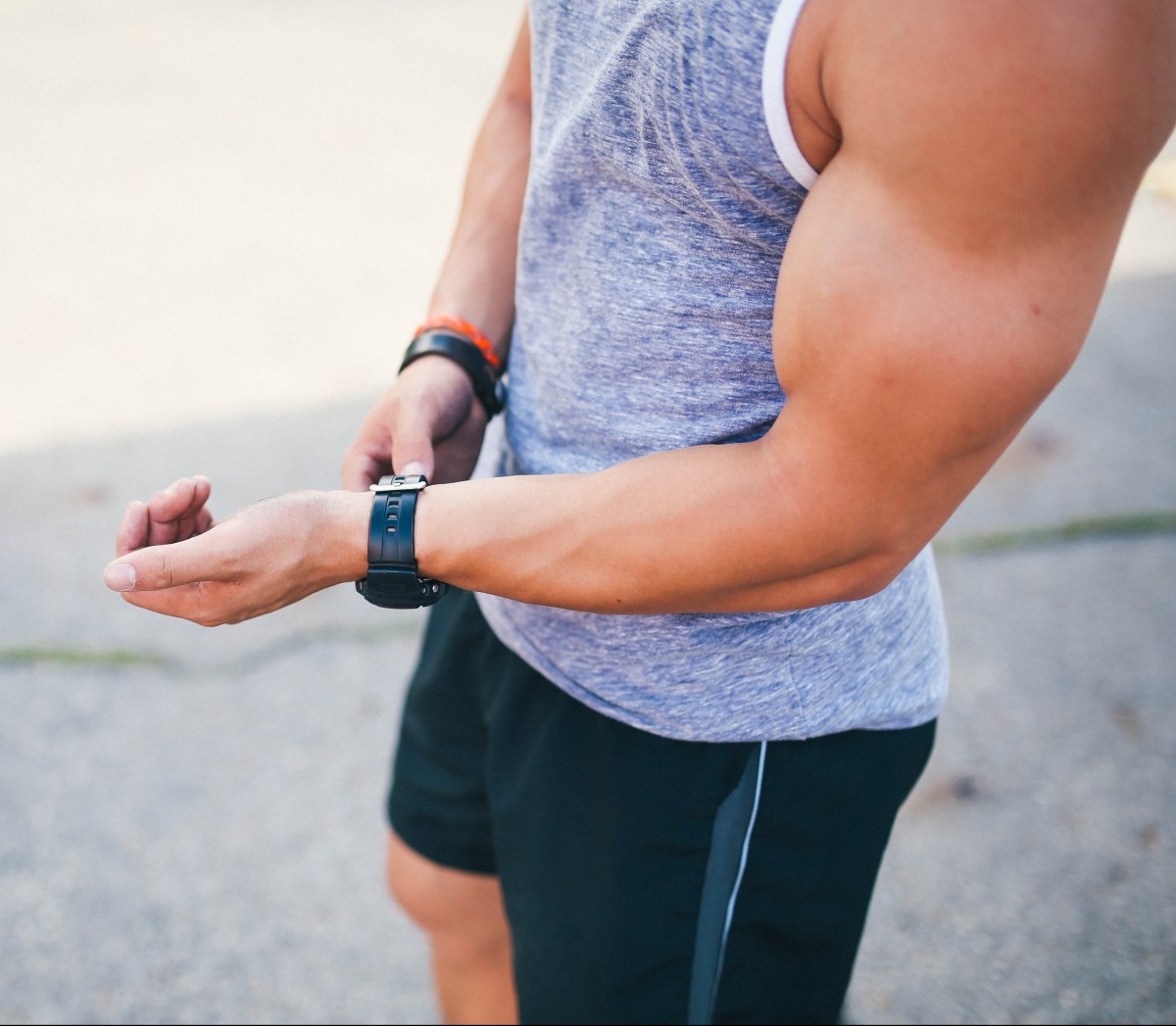
wearable fitness trackerJane E. Brody discusses fitness trackers: “experts say that older adults are among those who could benefit most from such devices.”

The wearable fitness tracker has blossomed, but the gadgets can be expensive, from about $49 to $250, Brody reports. But, according to a study published recently in JAMA (Journal of the American Medical Association), smartphone applications are just as accurate as wearable devices in tracking physical activity.

Notes on Healthy Aging

Graceful Aging Exercises for Everyone

You can’t stop aging, but you can slow down the process with the help of an exercise routine. Even a small amount of activity can help you keep joints mobile, maintain muscle strength, and improve stability. And the best news of all: It’s never too late to start an exercise routine.

The first step in starting an exercise program is to check withy your doctor, who will tell you if there are any activities you should avoid. Certain conditions such as diabetes may also affect the timing of when to take medications and when to exercise.

Begin an exercise program slowly and listen to your body. If a particular exercise is difficult for you or causes you pain, ask your doctor if another exercise might be better for you. And it’s important to start out with a little bit of exercise and gradually increase the amount and intensity.

The easiest exercise to begin with, after checking with your doctor, is walking, which improves cardiovascular fitness, bone strength, and joint mobility. Physiologists recommend aiming for 30 minutes of walking five days a week, but, as with all exercise programs, start with a small amount and gradually build up to longer and more frequent sessions.

In addition to cardiovascular activities such as brisk walking or swimming, a complete exercise program also includes resistance training, such as lifting weights, during two or three of your exercise days each week. These exercises build muscle strength and improve balance, important considerations for avoiding falls.

Tai chi can help build strength, relieve pain

Many senior centers and retirements offer classes in Tai chi, a modified form of an ancient Chinese martial art that emphasizes slow, gentle movements. A recent study published in the British Journal of Sports Medicine found that Tai chi could be an effective exercise suitable for middle-aged and older adults, even those who may have multiple health conditions.

Tai chi is a set of exercises that emphasize breathing control, whole body exercises with bent knees and slow, flowing movements. In addition to strength, it can help to improve posture, balance and concentration, the researchers note.

Hearing Loss Costs Far More Than Ability to Hear

Hearing loss is one of the most common conditions affecting adults, and the most common among older adults. An estimated 30 million to 48 million Americans have hearing loss that significantly diminishes the quality of their lives — academically, professionally and medically as well as socially.

In this article New York Times health writer Jane E. Brody reports that, while one in three people over age 60 has life-diminishing hearing loss, most people wait between five and 15 years to seek help. A large survey by the National Council on the Aging found that those who had hearing aids tended to be more socially active and less depressed, worried, paranoid, or insecure than people without hearing aids.

People without hearing aids also tend to have an increased risk of dementia over those with the devices. Hearing aids may improve cognitive functioning by maintaining auditory input into the brain that are diminished by hearing loss.

Is It Old Age, or A.D.H.D.?

Those of us who grew up in the 1950s and 1960s never heard of ADHD, or attention deficit hyperactivity disorder. While ADHD is nowadays a diagnosis given to children who have trouble paying attention in school, back when we were in school children who struggled were told to settle down, quiet down, or stop daydreaming out the window.

In 2012, in one of the only epidemiological studies done on A.D.H.D. in older adults, a large Dutch population study found the condition in close to 3 percent of people over 60.

Although there’s little data on the prevalence of ADHD in older adults, increased awareness of the condition, now thought to persist throughout one’s lifetime, is bringing more older adults to specialty clinics for diagnosis and treatment.

Dr. [Thomas] Brown [associate director of the Yale Clinic for Attention and Related Disorders at the Yale School of Medicine] said, “Most doctors are not thinking of A.D.H.D. as a characteristic of somebody who is 60 or over.” Hence, the condition may be overlooked in the 80-year-old who has trouble staying engaged at the senior center, despite a lifelong history of inattention. “They figure it’s just cognitive decline from aging” or diagnose depression or anxiety in such patients, which may or may not be the case, he said.

Many older adults who have trouble paying attention or sitting still are thought to have cognitive impairment caused by aging. But if the person has had the same symptoms throughout life, diagnosis and treatment for ADHD may greatly improve their condition.

Healthy Aging

Ask Well: Assessing Knee Supports

A while back I had gotten lax with my walking routine and found myself quite out of shape. My husband encouraged me to accompany him for a walk one day, and I did. But he was much more ambitious than I was, and we walked so far that when I got home, my right knee was a bit sore. I went to the drugstore and looked at the various knee supports available. I chose one made of neoprene that wrapped around the knee and fastened with Velcro. I wore it for a few days and my knee gradually got better.

Because of this experience I was interested in this column in the New York Times in which Gretchen Reynolds answers the question “How effective is wearing a stabilizing knee support?”

When you say “effective,” I assume that you’re asking how well a knee support can stabilize a wobbly knee or lessen the pain of an arthritic one. The answer, based on a large body of science, is that nobody really knows.

“It’s important, however, to differentiate among the types of knee supports,” she adds. She distinguishes between braces, which include rigid materials that press against the bones of the knee and offer firm external support. Soft neoprene sleeves do not offer the same support but may increase knee stability by improving the wearer’s balance. But, Reynolds says, a 2012 study found that neoprene sleeves offered no significant improvements in balance for people with knee arthritis. There is also no evidence that knee supports worn on healthy knees prevent knee injuries.

Reynolds ends with the advice that if your knees are bothering you, don’t self-diagnose. Go to a doctor, who can diagnose your problem and determine whether a knee support will help.

The knee support I used was not really a sleeve, which is a tube, but one that I could tighten or loosen with the Velcro. I wore the support and avoided any more long walks, and my knee pain did clear up within a few days. Of course the same improvement probably would have occurred whether I had worn the brace of not, but I did think that, at least initially, it lessened my discomfort.

Here’s Why You May Be Aging Faster Than Your Friends

Alice Park discusses recent research published in the Proceedings of the National Academy of Sciences that examined 18 measures of aging in people in their 20s and 30s. The markers studied mirror the biological effects of aging found in older people. The study followed 954 people born in 1972 or 1973 in Dunedin, New Zealand, from age 26 to age 38. The 18 markers measured included blood pressure, lung function, cholesterol, body mass index, and inflammation. On the basis of these measurements, researchers calculated a biological age for each volunteer. They re-examined the study participants again at ages 32 and 38 to calculate the pace at which each person was aging.

Some people were biologically older and aging faster than others, despite being the same chronological age. Not only that, but the researchers showed, by giving the 20- and 30-somethings the same tests of balance and thinking skills that gerontologists give for older adults, that these aging changes were the same as those occurring later in life.

Comparing the data of those aging more quickly with those aging more slowly should suggest some ideas of how to slow down again. Such a testing program can also provide a way to test whether a specific anti-aging treatment works.

Researchers plan to re-evaluate study participants again at age 45 to see if habits such as diet, exercise, and smoking affect the rate of aging.

Exercise can improve brain function in older adults

Here is that E-word again: exercise. New research out of the University of Kansas Medical Center suggests that older adults can improve brain functioning by increasing their fitness level.

Results indicated that aerobic exercise improved brain function, and those who exercised more saw more cognitive benefits. The intensity of the exercise appeared to be more important than the duration, so it’s important to exercise as vigorously as you safely can.

As always, check with your doctor before beginning any exercise program.

Swindlers Target Older Women on Dating Websites

This article is painful to read but could prevent some heartache. It describes scams that people employ through online dating sites to woo potential victims out of their savings.

Older people are good targets for such scams because they often have accumulated savings over their lifetime. Older women, who outnumber older men, are particularly susceptible.

Just how serious is this problem?

How many people are snared by Internet romance fraud is unclear, but between July 1 and Dec. 31, 2014, nearly 6,000 people registered complaints of such confidence fraud with losses of $82.3 million, according to the federal Internet Crime Complaint Center.

Most of the scams involve online contacts who establish a relationship with a potential victim, then began asking for money to cover situations such as medical emergencies or having their wallet stolen abroad and needing money to travel back home. And one request follows another, often adding up to significant sums:

Victims typically lose $40,000 to $100,000, said Wendy Morgan, chief of the Public Protection Division of the Vermont Attorney General’s Office. The highest reported loss in the state was $213,000.

Read the stories in this article of how people were scammed. Knowing how the process works could help you avoid losing your life’s savings.