Introducing a New Category: Older Adults in Literature

In my other life I blog about books. One of my particular interests there is how literature reflects the culture that produces it.

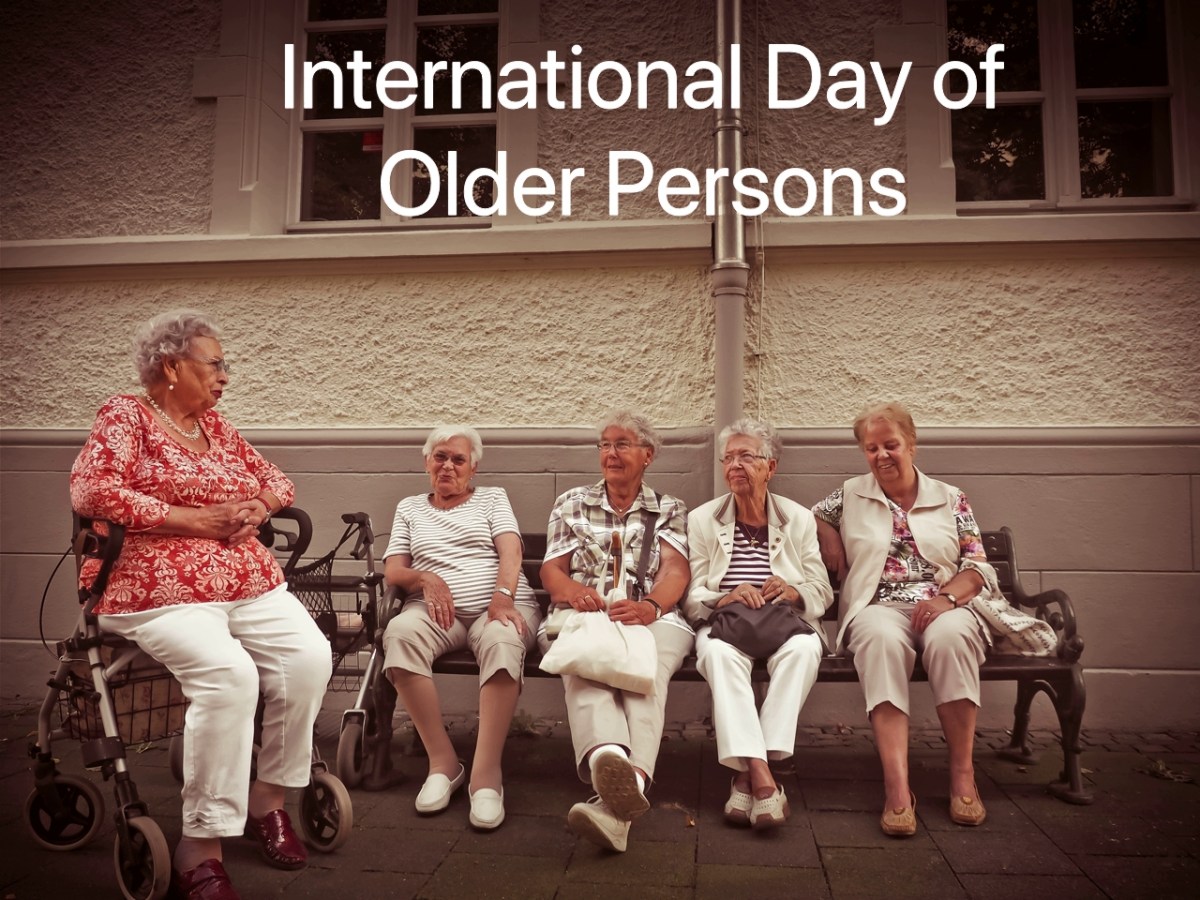
When I put together a list of 5 Novels That Feature Older Adult Characters for the post International Day of Older Persons on this blog, I realized that the topic of how older adults are portrayed in literature is appropriate for both sides of my life and deserves to be its own category. I’ll be cross-posting more such lists and book reviews on both blogs from time to time.

© 2018 by Mary Daniels Brown

Last Week’s Links

Infectious Theory Of Alzheimer’s Disease Draws Fresh Interest

This article reports on the “germ theory” of Alzheimer’s disease. Germs in this case “means microbes like bacteria, viruses, fungi and parasites. In other words,” is Alzheimer’s an infectious disease. This theory “has been fermenting in the literature for decades,” but research in this area has received almost no funding.

If the germ theory gets traction, even in some Alzheimer’s patients, it could trigger a seismic shift in how doctors understand and treat the disease.

14 of the Very Best Books Published in the 1970s, From Le Guin to Haley

Having come of age in the glorious 1960s, I took particular interest in this list of books published in the following decade that, in a literary way, reflect the profound ways in which the ’60s influenced later society. The books from this list that I remember most vividly are Rabbit Redux by John Updike, Kindred by Olivia E. Butler, The Stories of John Cheever, All the President’s Men by Bob Woodward and Carl Bernstein, and Helter Skelter by Vincent Bugliosi.

What about you? Do you remember any of these books?

Scientists Gave MDMA to Octopuses—and What Happened Was Profound

Ever since we began visiting the Pacific Northwest in the U.S. in the mid 1990s, I’ve been fascinated by the Giant Pacific octopus native to this area. Octopuses (yes, that’s the correct plural) are extremely intelligent, although their decentralized nervous system differs greatly from our own. Octopuses are also asocial, in contrast to humans’ need for social contact.

This article reports on a study by scientists interested in whether octopuses would react the same way humans do to “the drug MDMA, versions of which are known as molly or ecstasy.” The drug commonly makes people “feel very happy, extraverted, and particularly interested in physical touch.” The scientists were interested to discover that, despite our different nervous structures and social behavior tendencies, octopuses’ reactions to the drug resembled humans’ reactions.

It’s clear that psychoactive drugs like MDMA, LSD, and magic mushrooms are going through a scientific renaissance—they’re being studied as potential treatments for depression and PTSD—and as their stigma decreases, scientists are more open to studying them, and more research funding becomes available. This could be important for our understanding of animal and human brains.

Paper Trails: Living and Dying With Fragmented Medical Records

This is a long article, but it’s a must-read for anyone who moves from one place to another or from one medical facility to another. Dr. Ilana Yurkiewicz explains how lack of compatible electronic medical records can disrupt medical treatment and how such disruption can lead to life-and-death situations.

How to Optimize Caffeine (and Improve Your Productivity)

caffeine is powerful stuff, and because it has a direct effect on your energy level, you should drink it with intention rather than on autopilot.

This article is aimed at office workers (hence the emphasis on productivity), but it’s good advice for anyone who is bothered by occasional insomnia.


© 2018 by Mary Daniels Brown

5 Novels That Feature Older Adult Characters

On December 14, 1990, The United Nations General Assembly by resolution designated October 1 each year as International Day of Older Persons. According to the U.N. page for this international celebration:

Almost 700 million people are now over the age of 60. By 2050, 2 billion people, over 20 per cent of the world’s population, will be 60 or older. The increase in the number of older people will be the greatest and the most rapid in the developing world, with Asia as the region with the largest number of older persons, and Africa facing the largest proportionate growth. With this in mind, enhanced attention to the particular needs and challenges faced by many older people is clearly required. Just as important, however, is the essential contribution the majority of older men and women can continue to make to the functioning of society if adequate guarantees are in place. Human rights lie at the core of all efforts in this regard.

The theme for this year’s event is “Celebrating Older Human Rights Champions.” This theme aims at addressing four main issues, one of which is perfect for literary treatment:

Raise the visibility of older people as participating members of society committed to improving the enjoyment of human rights in many areas of life

Literature reflects life. Here are five novels I recommend that feature older adults living their lives with dignity and purpose.


Broken for You by Stephanie Kallos
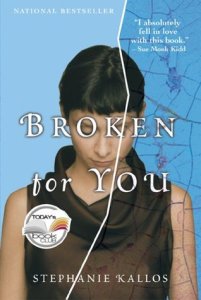
Margaret Hughes, age 75, has just learned that she has a brain tumor. Margaret lives alone in a huge mansion in the most upscale section of Seattle, where her only companions are the rooms and rooms full of valuable figurines left to her by her father. When Margaret’s mother, dead some 60 years, begins visiting her, Margaret decides to take in a boarder. Wanda, in her 30s, answers Margaret’s ad. She recently sold all her belongings and left New York City for Seattle in pursuit of the lover who abandoned her. Warily, Margaret and Wanda begin to befriend each other. The mansion’s list of residents increases over the course of the novel as new people arrive to fulfill various needs—both their own and each others’.


Our Souls at Night by Kent Haruf

This short, poignant novel features an older widow and widower who come together for companionship and emotional support. Their lives are complicated by small-town busybodies, social proprieties, and the demands of family relationships.


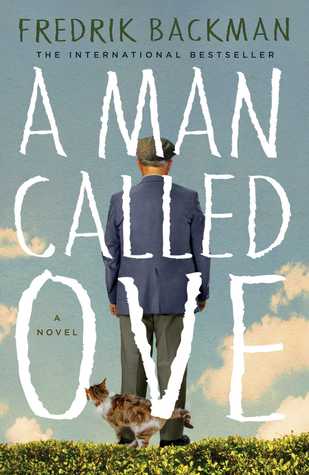
A Man Called Ove by Fredrik Backman
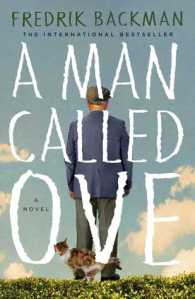
Ove (pronounced UH-ve) is probably the biggest curmudgeon you’ll ever meet, either in literature or in life. His wife died several years ago, and his retirement has left him feeling lonely and purposeless. He’s set in his ways, with strict daily routines, and he demands that everyone must follow the neighborhood rules to the letter. Translated from the Swedish, this novel demonstrates how even a crotchety old geezer can change and learn to appreciate life, with a little help from some new friends. The novel also carries a gentle message: don’t judge a man until you understand his life.


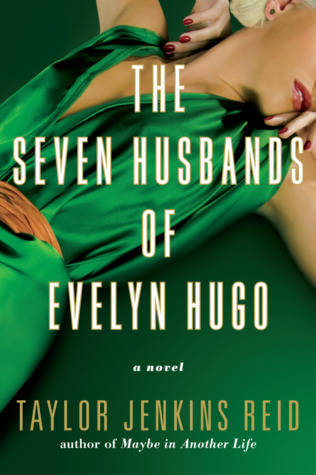
The Seven Husbands of Evelyn Hugo by Taylor Jenkins Reid

Young journalist Monique Grant is stagnating as a reporter for an internet sleaze site when she receives a sudden and mysterious summons from Evelyn Hugo, the aging actress who is finally ready to tell her story and insists Grant is the one who must write it. Hugo’s story covers her journey to Los Angeles in the 1950s, her rise to fame, and her decision to leave show business after a 30-year career. That journey includes ruthless ambition, seven husbands, a deep but forbidden love—and no regrets. She’d do it all exactly the same way again, Hugo tells Grant, before finally revealing why she has chosen Grant to write this story.


The Pigman by Paul Zindel

This YA novel from the 1960s focuses on two high school students who form a taunting, derisive friendship with a neighbor, the widowed retiree Antonio Pignati. Although the story revolves around the teenagers, the loneliness and desperate desire for companionship of Mr. Pignati, whom the kids call The Pigman, is painfully accurate.


© 2018 by Mary Daniels Brown
Last Week’s Links

IS THE CURE FOR ALZHEIMER’S HIDING INSIDE US? SHE THINKS SO

Here’s a profile of Annelise Barron:

Alzheimer’s is the root cause of 60 to 80 percent of dementia cases, according to the Alzheimer’s Association, and the complexity of the disease has troubled neurology researchers for decades. But Barron, an associate professor of bioengineering at Stanford, has uncovered a way for our own immune system to fight off a major cause of Alzheimer’s. If her research leads to a treatment, it would be the first new therapeutics development in more than a decade.

BOOKS WITH STRONG FEMALE CHARACTERS OVER 50

Being of a certain age myself, I enjoy books that feature older women characters. And if you’re into reading challenges that ask you to read a book featuring “a strong female character over 50,” here are eight books to help you fill in that category.

READ HARDER: A BOOK WITH A FEMALE PROTAGONIST OVER THE AGE OF 60

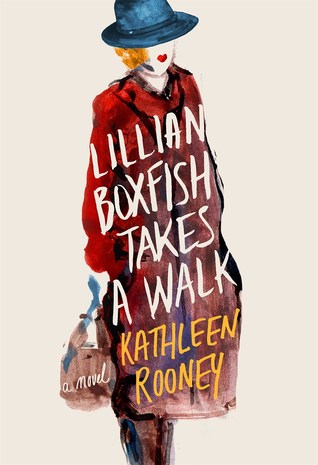
And if 50 is too young for you, here’s a list of six books featuring female protagonists over age 60. I heartily second the recommendation of The Seven Husbands of Evelyn Hugo by Taylor Jenkins Reid and would also add Lillian Boxfish Takes a Walk by Kathleen Rooney.

Cover: Lillian Boxfish Takes a Walk

SOLVING THE HIDDEN DISEASE THAT’S AS BAD AS 15 CIGARETTES A DAY

That disease would be loneliness:

Experts agree that we’re facing a loneliness epidemic, one that has profound consequences for our physical health, our longevity and our overall well-being. But where others emphasize the scale and seriousness of this looming crisis, Murthy offers an encouraging message: Yes, loneliness is a pervasive problem worldwide, but there is a simple and actionable solution.

Why Older People Have Always Trashed Young People

Why can’t they be like we were, perfect in every way?
Oh, what’s the matter with kids today?

Why does every generation express worry that its kids aren’t as good? Because of fear, this article argues:

We talk of children in terms of continuation. They carry on our traditions. They take our names. We delight in how they look like us, act like us, think like us. We want our kids to adopt our politics, our causes, our sense of meaning. In our children, we seek immortality.

But then they grow up, and we discover they’re not us. They are their own people. They’ll find their own politics, their own causes, their own sense of meaning. They’re more interested in the future than the past. They’ll know their parents’ names, of course, and probably their grandparents’ names, but perhaps not their great-grandparents’ names, and certainly not their great-great-grandparents’ names. Which means one day they’ll have children, and those children will have children, and our names will begin to be forgotten too. We will slip into nothingness, remembered by nobody, having left no recognizable impact.


© 2018 by Mary Daniels Brown

Last Week’s Links

Was Smokey Bear wrong? How a beloved character may have helped fuel catastrophic fires

The recent fires [across the western U.S.] actually highlight an ongoing debate among ecologists about whether Smokey should shoulder some responsibility for the flames now regularly sweeping across natural lands. For much of the last century, Smokey was the pitchman for the federal government’s aggressive wildfire suppression policy. That tactic, some scientists believe, may have contributed along with climate change to making American forests vulnerable long-term to combustion. They call it “the Smokey Bear effect.”

This look at the history of modern American fire prevention explains what looks like a counter-intuitive concept.

An Extraordinary Documentary Portrait of a Playwright Facing Alzheimer’s Disease

There’s no danger of impersonality in “The Rest I Make Up,” Michelle Memran’s documentary portrait of the playwright María Irene Fornés (which [screened] August 23rd through the 29th, at moma). It’s very much a four-handed film, made (as the credits say) both by Memran and by Fornés, and it’s explicitly, inescapably about their collaboration. The resulting film is a profound, tragic, yet joyful vision of art. It’s more than the portrait of an artist (or even of two); it’s a revelation and exaltation of the artistic essence, of the very nature of an artist’s life as an unending act of creation in itself.

The New Yorker looks at a film documenting Alzheimer’s disease.

How to get a good night’s sleep

A science journalist spent months researching sleep. Here’s what he found.

Sean Illing interviews Henry Nicholls, author of Sleepyhead: The Neuroscience of a Good Night’s Rest. Nicholls says that establishing sleep stability—going to bed at the same time every night and waking up at the same time every morning—is the simplest way to begin addressing sleep problems such as insomnia.

The Backstory: the story behind ‘Passing the Peace Torch’

the protest group is still active, increasingly frustrated by a visible age gap between older veterans of the peace movement and younger, politically active citizens who seem to have moved on to other causes.

A local (Pacific Northwest) take on a national matter of concern to those of us who grew up marching and protesting and chanting, “There is some s**t we will not eat.”

Slow, steady tortoise beats speedy hare in real life, study shows

The lesson communicated by the tale of the tortoise and the hare, one of Aesop’s fables, holds true in the animal kingdom, according to new research.

The fable’s lesson is simple: consistency and perseverance beat out disinterested talent. In nature, faster animals tend to apply their speed inconsistently, just like Aesop’s hare.

© 2018 by Mary Daniels Brown
Last Week’s Links

What will your life story say about you?

Life is a story that we write and while writing we rediscover our unique selves as well as the opportunity to newly discover the uniqueness and diversity in others.

In this short article Anita P. Jackson, a clinical counselor and emerita professor at Kent State University, explains how we can examine our own life stories to better not only ourselves but society as well.

How the Elderly Lose Their Rights

Guardians can sell the assets and control the lives of senior citizens without their consent—and reap a profit from it.

Here, according to this article from the New Yorker, are the facts:

In the United States, a million and a half adults are under the care of guardians, either family members or professionals, who control some two hundred and seventy-three billion dollars in assets, according to an auditor for the guardianship fraud program in Palm Beach County. Little is known about the outcome of these arrangements, because states do not keep complete figures on guardianship cases—statutes vary widely—and, in most jurisdictions, the court records are sealed. A Government Accountability report from 2010 said, “We could not locate a single Web site, federal agency, state or local entity, or any other organization that compiles comprehensive information on this issue.” A study published this year by the American Bar Association found that “an unknown number of adults languish under guardianship” when they no longer need it, or never did. The authors wrote that “guardianship is generally “permanent, leaving no way out—‘until death do us part.’ ”

In the United States, guardianship is governed by state, not federal, law.

This long and frightening article focuses on cases around Las Vegas, NV, but some of the information is generally applicable.

Are Job Ads Targeting Young Workers Breaking The Law?

When an employer sets out to recruit young people for a certain job, is it discriminating against older job seekers in a way that breaks the law? That question is at the center of several pending lawsuits that could help improve job opportunities for older Americans.

11 Novels with Older Characters You’re Sure to Love

Taylor Noel offers a list of “11 novels with older protagonists that you’re sure to love.”

‘A different way of living’: why writers are celebrating middle-age

But we search in vain if we turn to these books for answers, partly because these writers are more interested in asking questions, and partly because they are too singular, and too defiant, to tell us what to do. Greer ends by announcing that though younger people anxiously inquire, and researchers tie themselves in knots with definitions, “the middle-aged woman is about her own business, which is none of theirs”. Women come racing up from behind, asking how to negotiate the next phase. But we’re not going to learn much because, Greer says, the middle-aged woman is “climbing her own mountain, in search of her own horizon, after years of being absorbed in the struggles of others”. The ground is full of bumps, the air is thin and her bones ache. Nonetheless, the ascent is worth it, however baffling it may seem to others. Greer exhorts her middle-aged readers not to explain or apologise. “The climacteric marks the end of apologising. The chrysalis of conditioning has once and for all to break and the female woman finally to emerge.”

© 2018 by Mary Daniels Brown

Last Week’s Links

Prescription coupons, rebates may drive up prices in long run

Here’s some news that initially seems counterintuitive:

Manufacturer coupons and rebates may seem to save consumers money on brand-name prescription drugs – but they may not in the long run because of how the savings are applied to deductibles and contribute to rising premiums.

Drug company offers may lower the out-of-pocket cost at the pharmacy, but insurance companies have found ways to cancel out the savings.

Take charge of your own story

A newspaper obituary writer considers her own obituary.

So I sat down one afternoon and wrote my obituary. It’s not a long one, and it contains most of the usual information about my family, jobs and whatnot. But I also purposely left out information about the parts of my life that I have chosen to move past (such as my ex-husbands) that my family would probably leave in. Yes, those things happened, and helped shape my existence, but why dwell on the negative? I’d rather people knew about the things that brought me joy: what was meaningful and important to me. It’s probably very different from what my family would write about me if I died tomorrow, but I think it would be a truer version of my life story.

‘Back To The Future’ cast reunite 33 years after original release

What a heart-warming piece of nostalgia! Do you remember watching Back to the Future when it was released in summer 1985? It’s still one of my favorite films to revisit every now and then.

Sleep deprivation may play role in ’global loneliness epidemic’

A series of experiments revealed sleep-deprived people feel lonelier and less eager to engage with others. That, in turn, makes others less likely to want to socialize with the sleep-deprived, researchers said.

How to Get a Better Night’s Sleep

In light of the previous article, here are some suggestions for getting enough sleep. This is a page that links to lots of sleep-related articles in the New York Times.

© 2018 by Mary Daniels Brown

Aretha Franklin, the ‘Queen of Soul,’ Dies at 76 – The New York Times

Many of us grew up listening to her sing. This article links to a playlist of 20 essential Aretha Franklin songs.

Last Week’s Links

Off Your Mental Game? You Could Be Mildly Dehydrated

How severe does dehydration have to be to affect us?

A growing body of evidence finds that being just a little dehydrated is tied to a range of subtle effects — from mood changes to muddled thinking.

Moreover:

As we age, we’re not as good at recognizing thirst. And there’s evidence that older adults are prone to the same dips in mental sharpness as anyone else when mildly dehydrated.

So how much water do we need every day?

A panel of scholars convened several years ago by the National Academies of Sciences, Engineering and Medicine concluded that women should consume, on average, about 91 ounces of total water per day. For men, the suggested level is even higher (125 ounces).

The phrase total water means that water from all sources counts: fruits, vegetables soup, smoothies, and, yes, even your morning cups of coffee or tea.

And remember that by the time you feel thirsty, you’re already beyond the point of mild dehydration. According to the article, an hour of hiking in the heat or a 30-minute run might be enough to cause mild dehydration.

Hands off my data! 15 default privacy settings you should change right now

If you’re concerned about all your personal data that’s being collected, here’s some advice on how to minimize exposure on Facebook, Google, Amazon, Microsoft, and Apple.

Existing drug may prevent Alzheimer’s

Emerging evidence suggests that a “potent” drug could prevent the development of Alzheimer’s disease — but only if a person takes the medication long before symptoms of this condition make an appearance.

Any advance against Alzheimer’s disease is welcome news, even though this one seems to offer a mixed message. The professor who oversaw the study thinks that it may never be possible to cure the disease once patients become symptomatic. However, he hopes identification of patients at risk and treatment before onset might “prevent it from starting in the first place.”

‘Too Little Too Late’: Bankruptcy Booms Among Older Americans

The New York Times reports on findings of a recent study from the Consumer Bankruptcy Project.

Tyrian Purple: The disgusting origins of the colour purple

Even after reading this, purple is still my favorite color.

Purple is a paradox, a contradiction of a colour. Associated since antiquity with regality, luxuriance, and the loftiness of intellectual and spiritual ideals, purple was, for many millennia, chiefly distilled from a dehydrated mucous gland of molluscs that lies just behind the rectum: the bottom of the bottom-feeders. That insalubrious process, undertaken since at least the 16th Century BC (and perhaps first in Phoenicia, a name that means, literally, ‘purple land’), was notoriously malodorous and required an impervious sniffer and a strong stomach. Though purple may have symbolised a higher order, it reeked of a lower ordure.

© 2018 by Mary Daniels Brown

Last Week’s Links

When a DNA Test Shatters Your Identity

You’ve undoubtedly seen the ads for DNA tests that will allow you to connect with extended family members. While such tests can produce many exciting discoveries, they also have potential to turn up some very upsetting news. This article from The Atlantic discusses some of those bombshell results.

Most of the people presented here who’ve experienced such results are over the age of 50. Many people actively researching their family tree are those to whom retirement has provided the time necessary for genealogical research.

The generation whose 50-year-old secrets are now being unearthed could not have imagined a world of $99 mail-in DNA kits. But times are changing, and the culture with it. “This generation right now and maybe the next 15 years or so, there’s going to be a lot of shocking results coming out. I’d say in 20 years’ time it’s going to dissipate,” she predicted. By then, our expectations of privacy will have caught up with the new reality created by the rise of consumer DNA tests.

The article focuses on a support group on Facebook for people whose genetic tests deliver upsetting news.

One Seattleite’s way of celebrating his 100th birthday: jumping out of a plane

So, what are your birthday plans?

The Mystery of End-of-Life Rallies

Palliative care experts say it is not uncommon for people in hospice care to perk up briefly before they die, sometimes speaking clearly or asking for food.

This did not happen with my mother, who died almost two years ago at age 89, but, according to the article, such rallies, also known as terminal lucidity, sometimes occur. However, there is little scientific evidence about either the frequency of or the reasons for such rallies.

Write Your Own Obit

Far from seeming narcissistic, undertaking a self-obituary can be a form of summation and of caregiving for those who may be in need of direction after we are gone.

This is one of those topics that comes around periodically. Writing one’s own obituary is a variation of the psychological concept of life review, a process of life evaluation that many older adults go through, either consciously or unconsciously. Writing the obituary helps make the life review a conscious process that allows people to record the events, accomplishments, and values that they would most like to be remembered for.

For people in midlife, remembering that we all have to die may redirect ongoing goals; for seniors, such a workout may remind us to view current problems within the context of what really matters most to us.

This article contains links to obituaries others have written for themselves and suggestions for writing one’s own.

What Rereading Childhood Books Teaches Adults About Themselves

Emma Court examines the benefits of adult rereadings of childhood books.

In a 2012 study that looked at why people reread books, rewatch movies, and revisit the same places, the researchers interviewed 23 participants about which experiences they chose to repeat, why, and how they felt during it. They found that repeat experiences “allow consumers an active synthesis of time and serve as catalysts for existential reflection.” Childhood books offer an opportunity to sit down in the river of time, if just for a moment, and ponder the full scope of one’s life. For one woman in the study, who often rewatched the 1999 romantic drama Message in a Bottle, the movie helped her process an upsetting breakup.

© 2018 by Mary Daniels Brown