Last Week’s Links

Here are the articles that caught my eye last week.

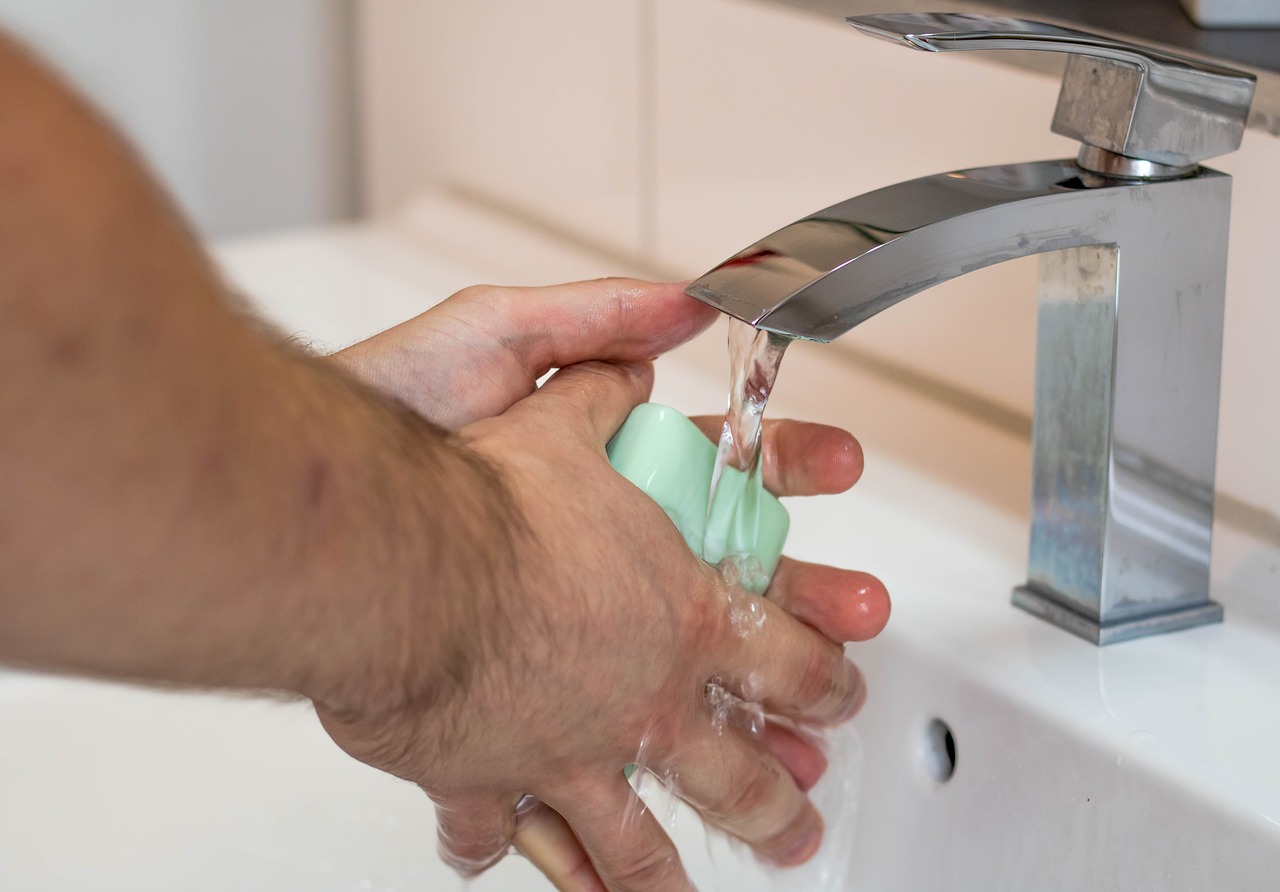
You’re probably washing your hands all wrong, study says

Are you washing your hands long enough?

The study from the US Department of Agriculture shows most consumers failed to wash their hands and rub with soap for 20 seconds. That’s the amount of time recommended by the Centers for Disease Control and Prevention, which says that washing for shorter periods means fewer germs are removed.

On our recent cruise a nasty virus gave many passengers a bad cough and sore throat. The ship’s captain encouraged all of us to wash our hands for the amount of time required to sing Happy Birthday twice.
Where Is Barack Obama?

The most popular American, whose legacy is the primary target of Donald Trump, has, for now, virtually disappeared from public life.

There’s no limit to longevity, says study that revives human lifespan debate

Mind-boggling new research findings:

Death rates in later life flatten out and suggest there may be no fixed limit on human longevity, countering some previous work.

Study: Sitting linked to increased death risk from 14 diseases

If you sit for six hours a day or more, your risk of dying early jumps 19 percent, compared with people who sit fewer than three hours, an American Cancer Society study suggests.

Could Aspirin Help Prevent Alzheimer’s Disease? Mouse Study Says Maybe

Could an aspirin a day keep the Alzheimer’s away? If only it were that simple. And yet, new research suggests that there does seem to be some hope that aspirin, one of the most widely used medications in the world, may help to treat some aspects of this devastating brain disease.

As with all such studies, keep in mind that these results are years and years away from any implementation in humans.

How Your Age Affects Your Appetite

A decade-by-decade look at how our appetites may change over time. We need adequate nutrition throughout our lives, but those of us over 60 need also remember:

Food is a social experience, but the loss of a partner or family and eating alone affect the sense of pleasure taken from eating. Other affects of old age, such as swallowing problems, dental issues, reduced taste and smell also interfere with the desire to eat and our rewards from doing so.


© 2018 by Mary Daniels Brown

Aging in Place

The New York Times this week features a discussion of aging in place, the term for adapting an existing home to accommodate changes necessary as its inhabitants get older. This article contains links to related coverage.

Recommendations of the Best Books on Aging

Five Books is a website that provides lists of the best books on all kinds of subjects. Recently it published two different lists of the best books on aging.

In The best books on Ageing neuroscientist and science writer Kathleen Taylor presents “the latest science on ageing and the literary works that can give us a clearer picture of what it’s all about.”

Taylor recommends these books:

  1. Gilead: A Novel by Marilynne Robinson
  2. The Warden by Anthony Trollope
  3. How We Die: Reflections on Life’s Final Chapter by Sherwin Nuland
  4. How to Grow Old: Ancient Wisdom for the Second Half of Life by Marcus Tullius Cicero
  5. King Lear by William Shakespeare

Taylor’s list surprised me because I expected that a neuroscientist’s choices would be scientific books about the latest developments in understanding Alzheimer’s disease and other organic effects of aging. Here’s what Taylor has to say about her choices:

A lot of the problems that we have with old age when we’re younger are a failure to empathise with older people and to really understand what it feels like to be old—as opposed to what it looks like intellectually. So I’m keen to bring both perspectives in.

I’m not saying that I don’t think the scientific perspective is important, it really is, but I think if you blend that with a more understanding or internal perspective, it can help you understand the person. You can’t really know what it’s like to be old until you’re old but literature can get you a bit closer than, for example, the study of biochemical proteins and what they do in the brain.

I’m so glad to find a scientist who recognizes that some of our most important insights into the human experience come from fiction.

In another article, also titled The best books on Ageing, author Margaret Drabble recommends these five books:

  1. Late Call by Angus Wilson
  2. The Coming of Age by Simone de Beauvoir
  3. Ammonites and Leaping Fish: A Life in Time by Penelope Lively
  4. The Long Life by Helen Small
  5. Unexpected Lessons in Love by Bernardine Bishop

The works by Simone de Beauvoir, Penelope Lively, and Helen Small present social and cultural overviews of aging. Although these books offer insight into the experience of aging, I was most interested in Drabble’s comments on the novels Late Call and Unexpected Lessons in Love as well as her own most recent novel, The Dark Flood Rises, all of which focus on characters experiencing advancing age.

And I particularly like Drabble’s answer the the question of advice on how to age well:

I think learning a new language is good. It’s slightly better for the brain than crossword puzzles, but it also teaches you a new world. I’m learning German poetry with a PhD student. We don’t do language—I don’t want to go shopping in Germany—but we read poems together, and that has given me great joy. It’s like entering into a new world that I knew was there but had never had the time or inclination to enter.

© 2017 by Mary Daniels Brown

My Recent Browsing History

Here are some of the recent articles that have caught my eye.

Lessons on Aging Well, From a 105-Year-Old Cyclist
More Women in Their 60s and 70s Are Having ‘Way Too Much Fun’ to Retire
You’re a completely different person at 14 and 77, the longest-running personality study ever has found
From the Elders to the Kids: What I Wish I’d Known
Boomers Are Ditching Retirement for Entrepreneurship. And They’re Killing It

Last Week’s Links

New imaging tool may detect Alzheimer’s early

Researchers at Washington University in St. Louis have developed a chemical compound that can detect Alzheimer’s disease at an earlier stage than can current methods approved by the U.S. Food and Drug Administration (FDA).

“Ideally, we’d like to look at patients with very mild symptoms who are negative for Alzheimer’s by PET scan to see if we can identify them using Fluselenamyl,” Sharma said. “One day, we may be able to use Fluselenamyl as part of a screening test to identify segments of the population that are going to be at risk for development of Alzheimer’s disease. That’s the long-term goal.”

The Common Beverages That Help Ward Off Dementia

New research conducted on women over 65 has found that those who drank the equivalent of two to three 8-ounce cups of coffee a day showed a 36% decline in dementia risk over those who did not consume that much caffeine. The amount of caffeine studied equals that in five to 8 8-ounce cups of tea or seven to eight 12-ounce cans of cola.

Said Professor Ira Driscoll, lead author of the study:

“The mounting evidence of caffeine consumption as a potentially protective factor against cognitive impairment is exciting given that caffeine is also an easily modifiable dietary factor with very few contraindications.

The study followed 6,467 postmenopausal women for about 10 years.

How to live to 100: Town full of centenarians spills its secrets

Ben Wedeman reports for CNN on residents of Acciaroli, Italy, south of Naples. According to city mayor Stefano Pisani, one-tenth of the population is 100 years old or older. A study is currently under way to examine possible reasons for the residents’ longevity:

The elderly inhabitants of Acciaroli and the hilly coastal areas surrounding it are the subject of a study being conducted jointly by Rome’s La Sapienza University and the University of California-San Diego.

Researchers are investigating 300 local centenarians, trying to understand why people here live so long, and have such low rates of heart disease and Alzheimer’s disease.

Among the things they plan to look into is whether the high concentrations of rosemary in the diet, and lots of walking through the mountains nearby have a positive impact on longevity.

But this article is no stuffy academic treatise. Read it for some of the circumstances to which the town’s inhabitants attribute their long life, including sex, meat, and ice cream.

Craig Hill: Expert says you’re never too old to get moving again

A reporter for my hometown newspaper, The News Tribune (Tacoma, WA), has some advice for older adults who are awakening to the realization that exercise is a necessity for healthy aging. The reporter asked Todd Dail, fitness director at a 55-and-older community, for some pointers:

“A friend of mine, a physical therapist, says, ‘Motion is lotion,’ ” Dail said. “And it’s true. The more you move, the more you lubricate your joints, and it starts to feel good again.”

There are some pointers here on how to decide what kind of exercise might be right for you, where to find classses, and how to evaluate if a particular class is right for you.


© 2016 by Mary Daniels Brown

Last Week’s Links

Going for the Gold in the Golden Years

Here’s a look at older adults “undertaking rigorous training and testing themselves in competitions”:

At the last National Senior Games, held in Minneapolis, nearly 10,000 participants competed in 19 sports — not just swimming and running but also little-known contests like pickleball and retirement standards like shuffleboard. The first National Senior Games nearly 30 years ago drew 2,500 contestants.

Marc T. Riker, chief executive of the National Senior Games Association, “estimates that 200,000 older athletes compete in these organized games at the local, state and national levels.”

When a Spouse Dies, Resilience Can Be Uneven

Although not specifically aimed at older adults, this article addresses an issue many people are likely to face in their later years. Previous research has suggested that most people, about 60%, return to their previous work, daily routines, and prior state of contentment within a few months to a year after the death of a spouse.

But new research is calling this global assessment inadequate to describe the aftermath of spousal loss for many if not most people, suggesting a need for more effective and specific ways to help them return to their prior state of well-being. Someone who ranks high in life satisfaction may nonetheless be having considerable difficulty in other domains that can diminish quality of life, like maintaining a satisfying social life, performing well at work or knowing who can help when needed.

This new research found the factors that contributed most to resilience were “remaining socially connected and engaged in the usual activities of everyday life and knowing where they could turn for help and comfort and receiving support when they needed it.”

How The Simple Act Of Paying More Attention Compensates For An Aging Brain

As we get older, our brains gets slower at certain tasks—but that just means we need to work smarter.

New research from Germany suggests that our brains are able to compensate for the effects of aging by paying more attention and by suppressing information that’s irrelevant to completing a given task.

Secrets to Lasting Relationships From High School Sweethearts

Scientists now know that the part of the brain concerned with executive functioning (what we typically call “growing up”) continues to develop into at least the early 20s. Therefore, high school sweethearts do a lot of their growing up together. In this article several couples whose relationship began in high school discuss how they met the challenges of growing up together and how their partnership continues to thrive today.


© 2016 by Mary Daniels Brown

U.S. Just Made It a Lot Less Difficult to Sue Nursing Homes – The New York Times

The federal agency that controls more than $1 trillion in Medicare and Medicaid funding has moved to prevent nursing homes from forcing claims of elder abuse, sexual harassment and even wrongful death into the private system of justice known as arbitration.

An agency within the Health and Human Services Department on Wednesday issued a rule that bars any nursing home that receives federal funding from requiring that its residents resolve any disputes in arbitration, instead of court.

The rule, which would affect nursing homes with 1.5 million residents, promises to deliver major new protections.

Source: U.S. Just Made It a Lot Less Difficult to Sue Nursing Homes – The New York Times

Last Week’s Links

People Are Happiest At This Unexpected Time of Life

old-people

New research suggests that people get happier with age. Earlier research has suggested that peoples’ mental health improves as they age, and this study of 1,546 randomly selected adults in San Diego County suggests a correlation with happiness.

Have a Story to Tell? Your Personal Memoirist Is Here

Even in an era when it seems every life is displayed on social media for the world to see, a whole generation is getting older, and its stories, if not written or otherwise recorded, will be lost. Serving that market is becoming a small-business enterprise.

This article describes how personal historians work with clients to write the individual’s life history.

Is This Sustainable Village The Future Of Retirement?

An account of Serenbe, a multigenerational community in Chattahoochee Hills, outside Atlanta,GA. The community clusters homes and commercial buildings together so that a large portion of wooded land can be left undeveloped.

Nygren’s vision for Serenbe was modeled on the English countryside, where high-density villages are surrounded by expansive rural spaces.

Writing a ‘Last Letter’ When You’re Healthy

Dr. VJ Periyakoil, director of the Stanford Palliative Care Education & Training Program, describes the Stanford Letter Project, which encourages older adults to write letters to their loved ones expressing sentiments they might not have been able to say face-to-face. The article contains a link to the Stanford Letter Project, which offers free letter templates.


© 2016 by Mary Daniels Brown

Last Week’s Links

Here are some articles from around the web that caught my attention over the last week.

Alzheimer’s Patients Keep the Spark Alive by Sharing Stories

This heart-warming article reports on an eight-week storytelling workshop at Northwestern University that helps couples coping with Alzheimer’s disease stay connected:

Each couple’s story serves as a reminder of both the good and challenging times they have shared, experiences both poignant and humorous that reveal inner strength, resilience and love and appreciation for one another that can be easily forgotten when confronted by a frightening, progressive neurological disease like Alzheimer’s.

Don’t Throw Out Your Organ Donor Card After 65

I’ve been signed up as an organ donor since early adulthood, but lately I’ve been wondering how useful my organs would be now that I’m approaching 70. This piece explains how age makes those of us over 65 “particularly desirable as donors, living or dead, for older recipients, who represent a growing proportion of transplant patients.”

Diet, exercise reduce proteins linked to Alzheimer’s disease, study says

A healthy diet, physical activity and normal body mass index have been connected to overall better health, with a new study at the University of California Los Angeles suggesting the combination of healthful choices may help prevent Alzheimer’s disease.

Just in case we needed yet another reminder of the importance of healthy eating and exercise.

Virtual reality treadmills help prevent falls in elderly

A small study suggests that adding a virtual reality obstacle course to treadmill workouts may help prevent falls among older adults:

“Our idea was to use the virtual reality environment to safely train both the motor or gait aspects that are important to fall risk, while also implicitly teaching the participants to improve the cognitive functions that are important for safe ambulation,” said lead study author Anat Mirelman of Tel Aviv University in Israel.

© 2016 by Mary Daniels Brown

Last Week’s Links

Middle-age memory decline a matter of changing focus

The inability to remember details, such as the location of objects, begins in early midlife (the 40s) and may be the result of a change in what information the brain focuses on during memory formation and retrieval, rather than a decline in brain function, according to a study by McGill University researchers.

Senior author Natasha Rajah, Director of the Brain Imaging Centre at McGill University’s Douglas Institute and Associate Professor in McGill’s Department of Psychiatry, says that this decline in middle age may be a sign not of declining brain function, but rather of focusing on different aspects of information. “Rajah says that middle-aged and older adults might improve their recall abilities by learning to focus on external rather than internal information.”

Too Old for Sex? Not at This Nursing Home

A nursing home in the Bronx, New York, follows a “sexual expression policy” that allows residents to spend time together:

a number of older Americans … are having intimate relationships well into their 70s and 80s, helped in some cases by Viagra and more tolerant societal attitudes toward sex outside marriage. These aging lovers have challenged traditional notions of growing old and, in some cases, raised logistical and legal issues for their families, caretakers and the institutions they call home.

But the article also notes the other side of such a policy:

But intimacy in nursing homes also raises questions about whether some residents can consent to sex. Henry Rayhons, a former Iowa state legislator, was charged with sexual abuse in 2014 after being accused of having sex with his wife, who had severe Alzheimer’s disease and was in a nursing home. A jury found him not guilty.

Alexander Masters’s book based on discarded journals gives ‘throwing your life away’ a new meaning

leather diaryMany of us in our later years think about writing down something about our lives to leave a legacy for future generations. Here’s an interesting story about a biographer, Alexander Masters, who has published the book A Life Discarded: 148 Diaries Found in a Skip. In 2001 two Cambridge University professors found 148 diaries in a Dumpster (the Canadian term is skip). Not wanting their find to go to waste, they gave the diaries to Masters.

Becky Toyne examines Masters’ project here and concludes:

We don’t have journal writing like this any more. We remain obsessive chroniclers of our lives, only in public pictures rather than private text (and we edit out all the sad bits). By contrast, the diaries of “I” build to a 40-million word chronicle of a life containing very little excitement. The difference? “These books were alive,” says the Cambridge professor upon finding them strewn about a skip – and in Masters’s heartbreaking, heartwarming biography we learn that, however unremarkable or littered with disappointments our existence might turn out to be, so are we.

What Do Contested Conventions Look Like? Ask Hollywood And Sinclair Lewis

I offer this article in preparation for the upcoming political conventions.

And this is as political as I’ll get here, I promise.


© 2016 by Mary Daniels Brown