Three Things Thursday

I love the weekly challenge Three Things Thursday, the purpose of which is to “share three things from the previous week that made you smile or laugh or appreciate the awesome of your life.” This challenge makes me pay attention to my world in the search to document the awesomeness of my life.

1. An Introduction to Your Colon

Last week we visited the Pacific Science Center in Seattle to see Pompeii: The Exhibition. The Pacific Science Center focuses on educating children, and one of their approaches is Grossology, which heightens the yuckiness quotient to get kids to learn about how their bodies work.

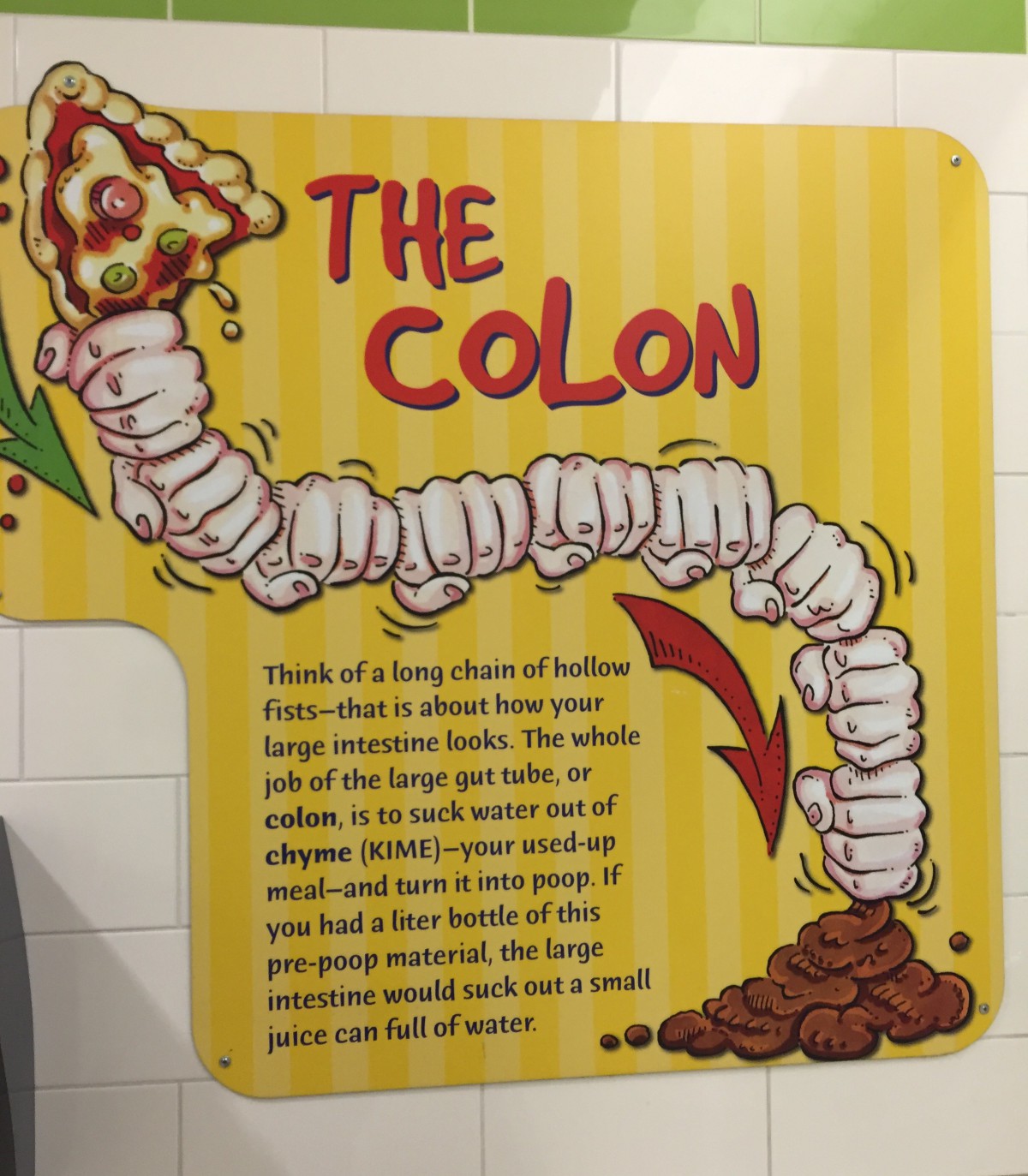
Part of the Grossology approach is a set of Grossology restrooms. Here, courtesy of the women’s Grossology restroom, is an introduction to how the human colon works:

diagram of the colon
Photographed at Pacific Science Center

Gross! Yucky! Great!

2. In a Galaxy Not so Far Away…

When we came out of Costco last weekend, the characters from Star Wars were participating in a fund raiser for the Children’s Miracle Network. I didn’t notice them until we were well across the parking lot. I snapped this quick shot:

Star Wars characters

I particularly enjoyed seeing the Sand Person, who doesn’t usually get as much publicity as the major characters.

3. Want to Go Parasailing?

The return of warm weather this past week brought with it the return of parasailing to beautiful Ruston Way along Commencement Bay.

parasailing

Thanks to my husband for this gorgeous photo.

Living in the Shadow of an Active Volcano

Related Post:


(Click on any of the images to see a larger version.)

Mount Rainier is so beautiful and majestic to see that it’s easy to forget how potentially dangerous it is. Here in Tacoma, WA, we live in the shadow of this active volcano:

in the shadow of an active volcano
Living in the shadow of an active volcano (photographed at Washington State History Museum)

Washington is home to five major composite volcanoes or stratovolcanoes (from north to south): Mount Baker, Glacier Peak, Mount Rainier, Mount St. Helens, and Mount Adams. These volcanoes and Mount Hood to the south in Oregon are part of the Cascade Range, a volcanic arc that stretches from southwestern British Columbia to northern California.

Washington State Department of Natural Resources

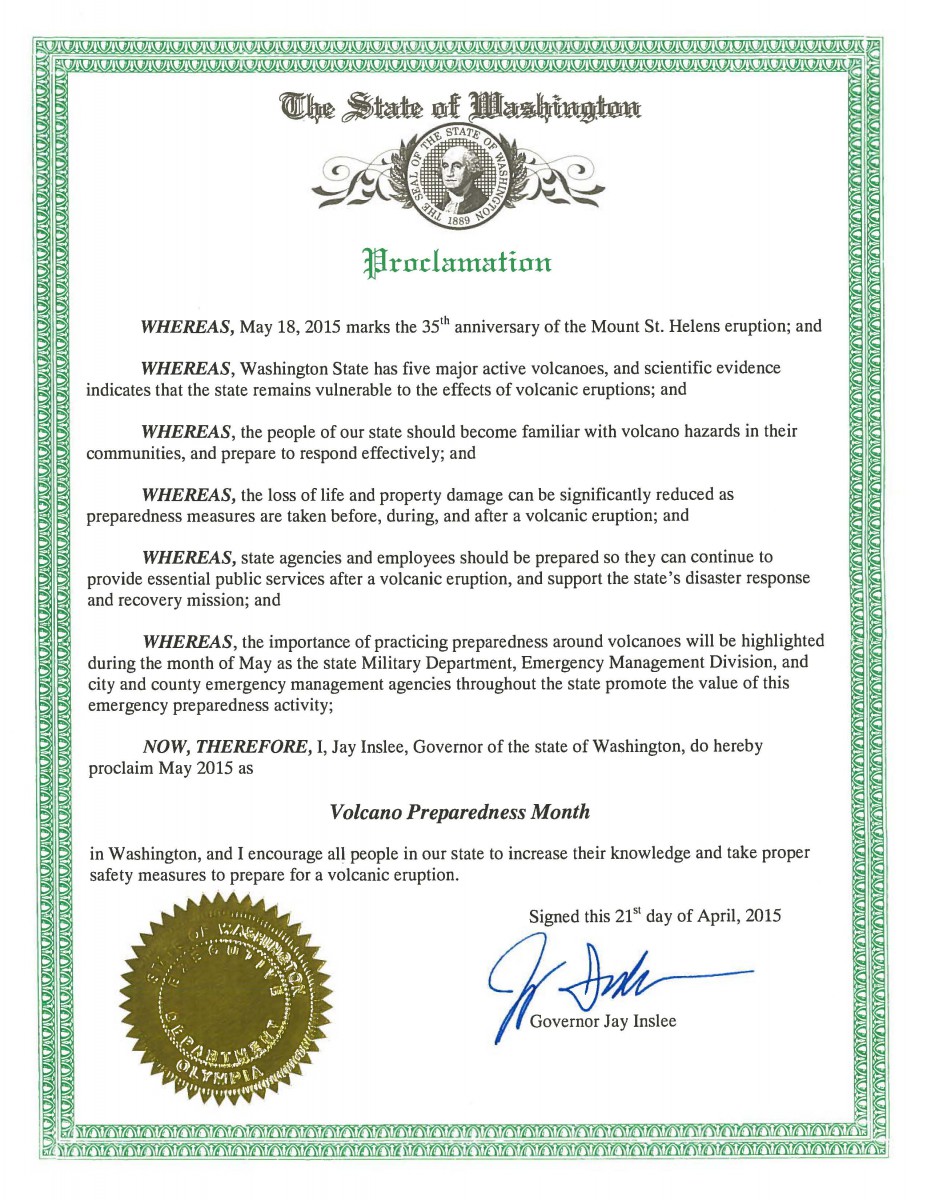
In conjunction with the anniversary of the eruption of Mount St. Helens on May 18, 1980, May is Washington State Volcano Preparedness Month:

State of Washington Proclamation for Volcano Preparedness Month

The Washington State History Museum presented an exhibit earlier this month entitled “Living in the Shadows” to remind the public that what happened at Mount St. Helens could happen here:

Photographed at Washington State History Museum

When most people think of the danger of a volcanic eruption, they think immediately of flowing lava. But there are two more immediate and potentially widespread dangers:

  • lahars—volcanic mudflows
  • pyroclastic flows—ground-hugging avalanches of hot volcanic ash, pumice, rock fragments, and gases that destroy everything in their path
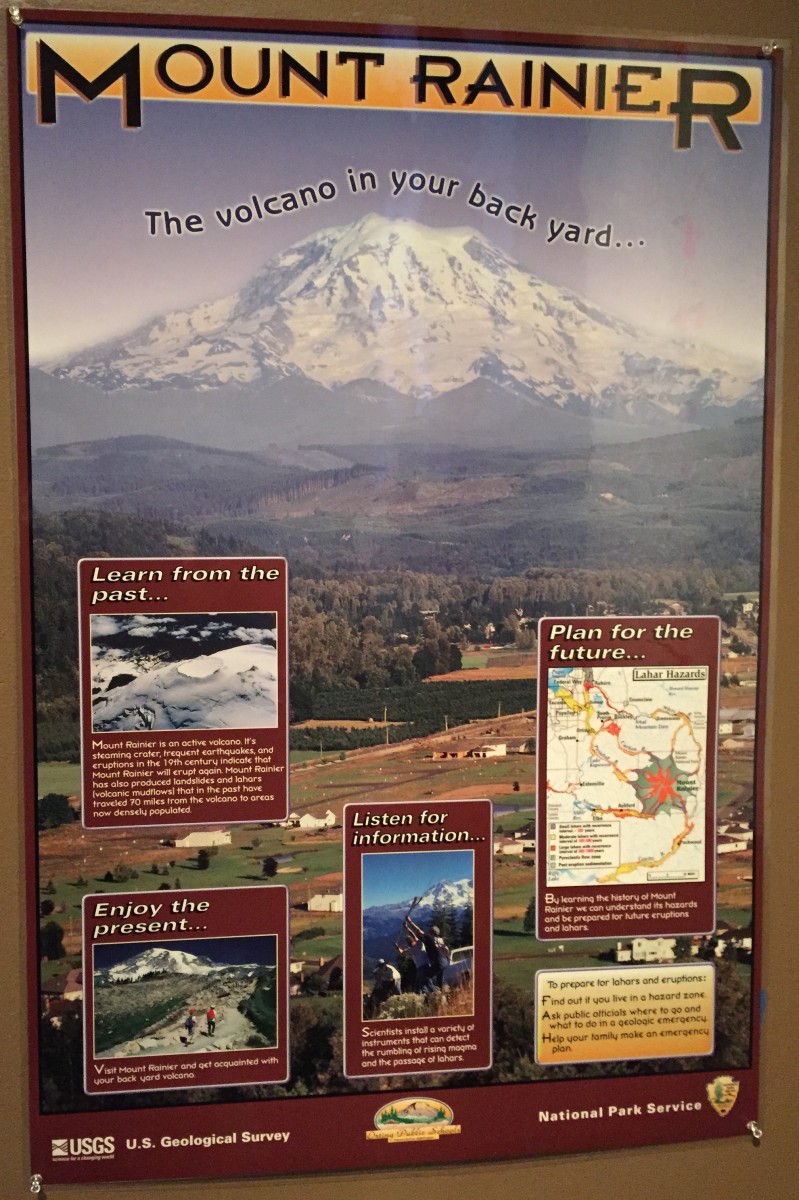
Dangerous Mount Rainier
Dangerous Mount Rainier (photographed at Pacific Science Center)

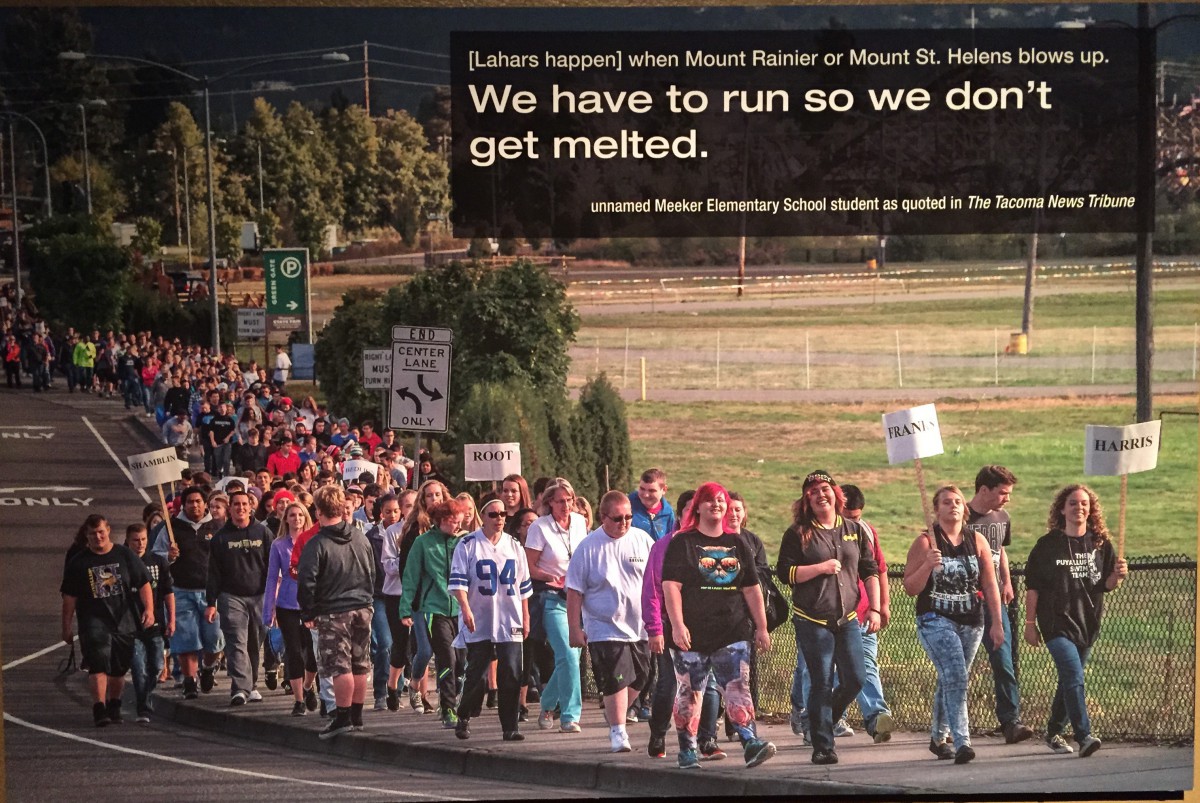
As part of the state’s volcano preparedness program, students perform annual lahar drills in which they practice evacuating their schools ahead of lahar:

Student lahar drill
School lahar drill (photographed at Washington State History Museum)

Also see the local news article Orting schools conducting lahar drill Thursday.

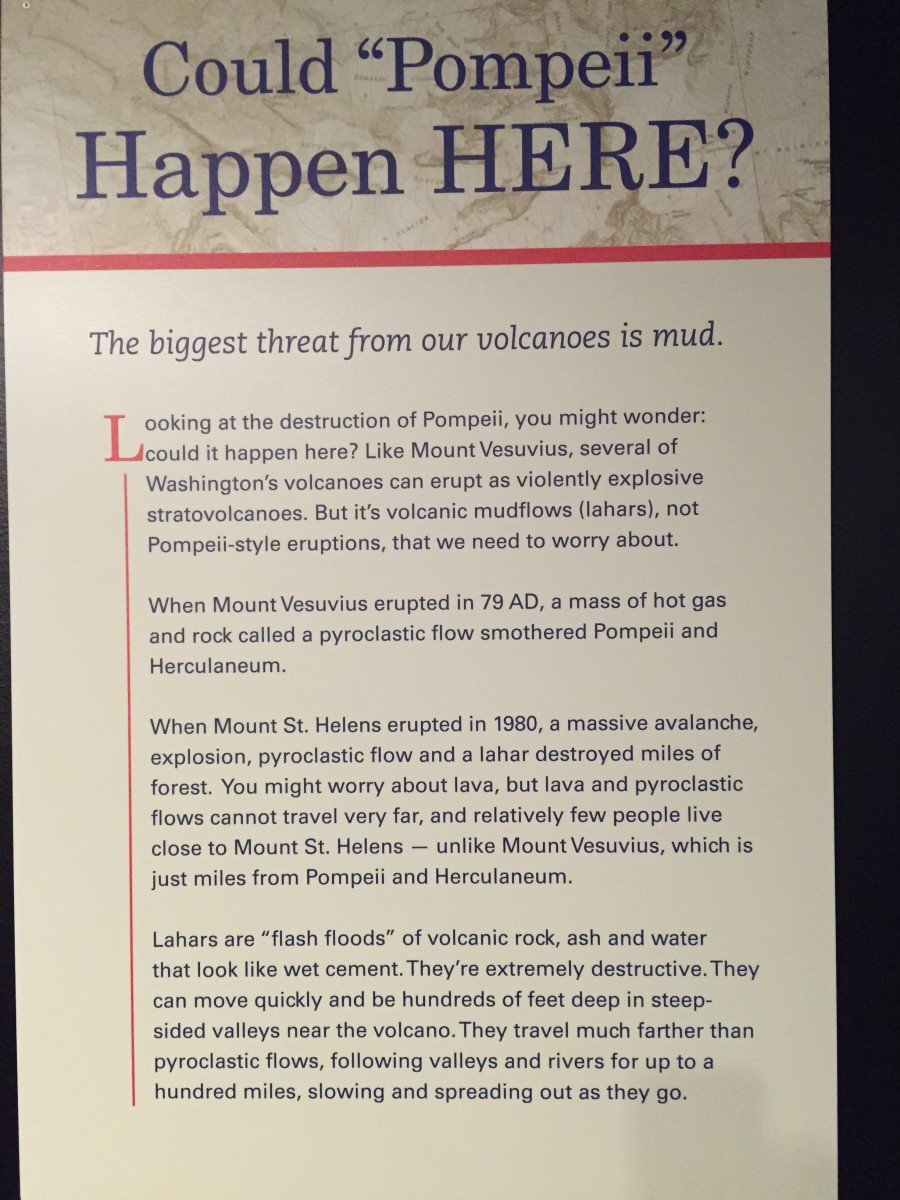
On our recent visit to see Pompeii: The Exhibition, we found the Pacific Science Center in Seattle used the eruption of Mount Vesuvius in Italy in 79 A.D. as a springboard for education about our local situation:

description of lahar and pyroclastic flow
Lahar and pyroclastic flow (photographed at Pacific Science Center)

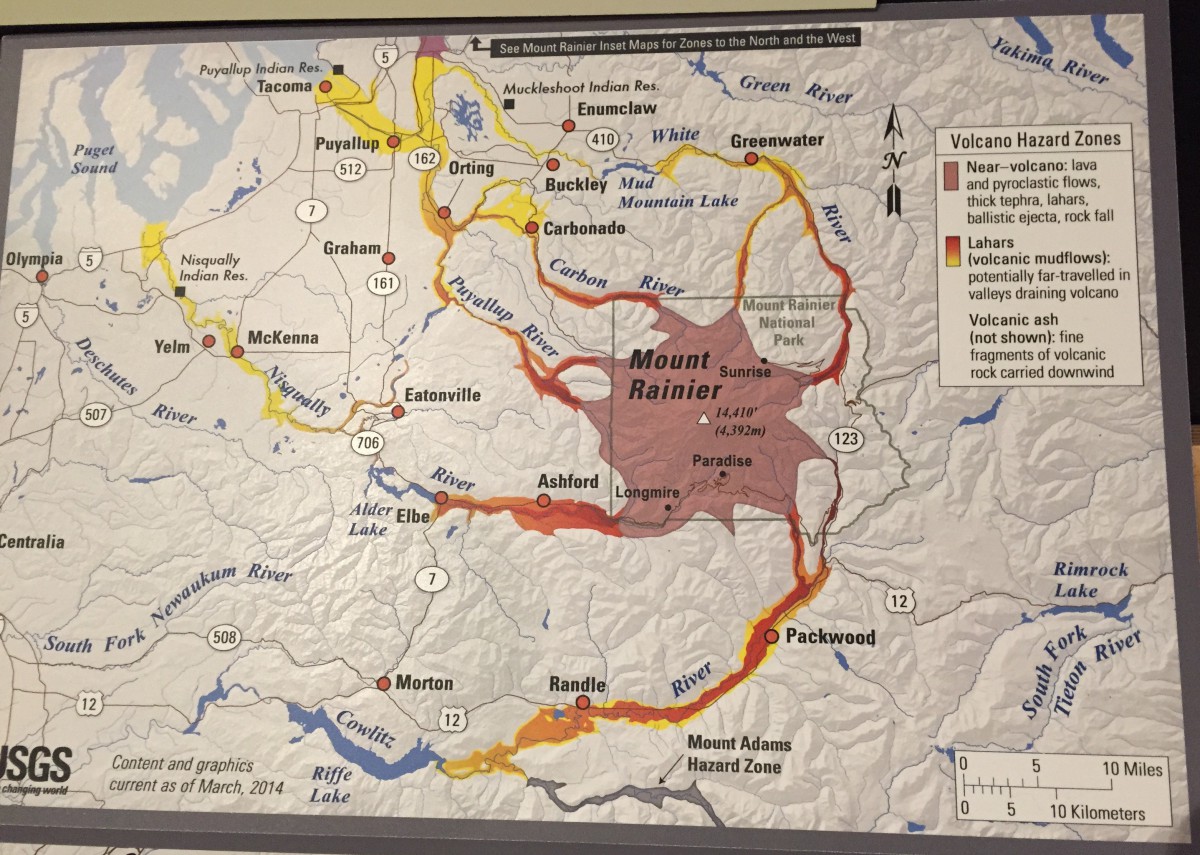
This map shows the potential danger zones if Mount Rainier were to erupt:

Mount Rainier hazard zones
Mount Rainier hazard zones (photographed at Pacific Science Center)

My home town of Tacoma is up there near the top, on the left.

The beautiful Cascades have been around for years. Long before the USGS (U. S. Geological Survey) started keeping records, Native Americans knew of the mountains’ power:

Volcanoes through Native Eyes
(photographed at Washington State History Museum)

Washington’s Volcano Preparedness Month announcements and activities remind us that it’s not a question of “if Mount Rainier erupts,” but rather “when Mount Rainier erupts.”

Additional Resources

35 years after Mount St. Helens erupted: A new world of research

Dzurisin, D., Driedger, C.L., and Faust, L.M., 2013, Mount St. Helens, 1980 to now—what’s going on?: U.S. Geological Survey Fact Sheet 2013–3014, v. 1.1, 6 p. and videos. (Available at http://pubs.usgs.gov/fs/2013/3014/)

Recent News Articles about Erupting Volcanoes

Did she blow? NW submarine volcano likely just erupted

Scientists find missing link in Yellowstone plumbing: This giant volcano is very much alive

Calbuco Volcano Erupts in Chile, and Nearby Town Evacuated

‘Wired’ Underwater Volcano May Be Erupting Off Oregon

35 Years Ago Today: Mount St. Helens Erupts

Today is the 35th anniversary of the eruption of Mount St. Helens, a mountain in the Cascade Range, located in southwestern Washington State.

At 8:32:17 a.m. PDT on Sunday, May 18, 1980, an earthquake caused the north face of the mountain to slide away, producing the largest landslide ever recorded that moved at 110 to 155 miles per hour (177 to 249 km/h). The eruption column rose 80,000 feet (24 km; 15 mi) into the atmosphere. Strong winds carried ash east of the volcano at an average speed of about 60 miles per hour (97 km/h). In Spokane, WA, 250 miles away, visibility was reduced to 10 feet (3.0 m) by noon. Noticeable amounts of ash fell in 11 states. Some of the ash drifted around the world in two weeks. The eruption lasted about 9 hours.

Volcano Illustration
Volcano Illustration (click to enlarge) (photographed at the Washington State History Museum)

The U.S. Geological Survey reports the following data about the 1980 eruption:

  • 1,314 feet (400 m): elevation lost
  • 2,084 feet (635 m): depth of crater formed
  • 0.60 cubic miles (2.5 cubic kilometers; 3.3 billion cubic yards; 165 million large dump trucks): volume of landslide deposit
  • 80,000 feet (24,000 m): height of eruption column reached in less than 15 minutes
  • 0.26 cubic miles (1.0 cubic kilometers): volume of volcanic ash produced

Destruction caused by the eruption covered 150 square miles:

1. 57 people were killed.

2. More than 11 million animals died, including:

  • 1,500 elk
  • 5,000 deer
  • 12 million salmon fingerlings

3. More than 4 billion board feet of timber, 230 square miles (600 km2) of forest were knocked down, though some lumber was later recovered.

4. Also destroyed:

  • 200 houses
  • 27 bridges
  • 15 miles (24 km) of railways
  • 185 miles (298 km) of highway

The number of human lives lost could have been much higher. Because the eruption occurred on a Sunday, more than 300 loggers were not working in the area.

Eruptions since 1980

During the summer of 1980, five more eruptions occurred. Geologists also carefully watched incidents of volcanic activity between 2004 and 2008.

Resources

Dzurisin, D., Driedger, C.L., and Faust, L.M., 2013, Mount St. Helens, 1980 to now—what’s going on?: U.S. Geological Survey Fact Sheet 2013–3014, v. 1.1, 6 p. and videos. (Available at http://pubs.usgs.gov/fs/2013/3014/)

I used the PDF of this fact sheet for much of the information here. The web version includes videos.

Mount St. Helens Erupts

Because the May 18, 1980, eruption was preceded by more than two months of earthquakes and steam-venting episodes, people began to doubt that danger was imminent. This four-minute video from History.com condenses the history of the eruption and gives a good idea of how people reacted, both before and after, the eruption. Be sure to notice the remarks of local Mount St. Helens resident Harry R. Truman, who is buried, along with his 16 cats, on the mountain.

Note: Music accompanies this video. You can turn it down or mute it, as you wish. You have been warned.

35 years after Mount St. Helens eruption, nature returns

This CBS News report covers the return of life to the Mount St. Helens area in the 35 years since the eruption. It’s an uplifting story to see after reading about all the devastation.

On the Menu: Copper River Salmon

Every year folks around here eagerly await Copper River salmon season. This article in today’s newspaper announces the arrival of thousands of pounds of ceremonial fish, the first fish of the Copper River salmon season, in Seattle via an Alaska Airlines jet. According to television news reports, true devotees gladly pay upwards of $100 a pound to score some of this precious cargo. Considered by many to be the highest quality salmon available, Copper River salmon feature bright red flesh with a rich taste and buttery consistency.

The Copper River, nearly 300 miles (470 km) long, runs through south-central Alaska into the Gulf of Alaska. Ranked by water output, it is the 10th-largest river in the United States. Both the river and the Copper Glacier from which it arises take their names from nearby former copper mines.

Because the Copper River is a fast-moving, glacial river, salmon have to store up a lot of oil and fat content to make the journey upstream. This high oil and fat content gives the salmon their characteristic color and flavor.

Health experts recommend eating salmon because it’s high in protein and essential nutrients but low in saturated fat. Another benefit is its high concentration of omega–3 fatty acids, which have been reported to contribute to heart health, reduce inflammatory diseases, and perhaps prevent cancer.

Fishing boats catch three kinds of wild salmon from the Copper River: coho, sockeye, and king, the largest. The amount of fish caught each year varies, but the Alaska Department of Fish and Game reports that more than 1.8 million salmon were caught in 2013.

Another article from our local newspaper, The News Tribune, describes the arrival of the flown-in salmon at its destination in the South Puget Sound area, Northern Fish Co., which is not far from where we live.

“We got 2,000 pounds today and more tomorrow,” said fourth-generation Northern Fish owner John Swanes.

According to Swanes, “Early Copper River fish is the best, with a high oil content.”

While some of the Copper River salmon will be sold at the company’s two retail stores in Tacoma, most of it will be sold to wholesale customers, including local independent seafood and grocery outlets, and higher-end restaurants.

At the retail level, whole Copper River kings will be selling for $29.95 per pound, with filets priced at $42.95. Whole sockeyes will be offered at $23.95 and filets at $29.95 per pound. All initial fish are net-caught in the deep-water open ocean near the mouth of the Copper River.

The Copper River salmon season usually lasts from May through September.

Three Things Thursday

Once again it’s time for the blog challenge Three Things Thursday, the purpose of which is to “share three things from the previous week that made you smile or laugh or appreciate the awesome of your life.”

three-things-thursday-participant

Also once again, thanks to my husband for #1 and #2.

1. A Heron’s Lunch

My husband came upon this great blue heron just as he (the heron, not my husband) found his lunch.

Great Blue Heron

I love these large, magnificent birds, even when they’re not flying.

2. Peacock Mating Season

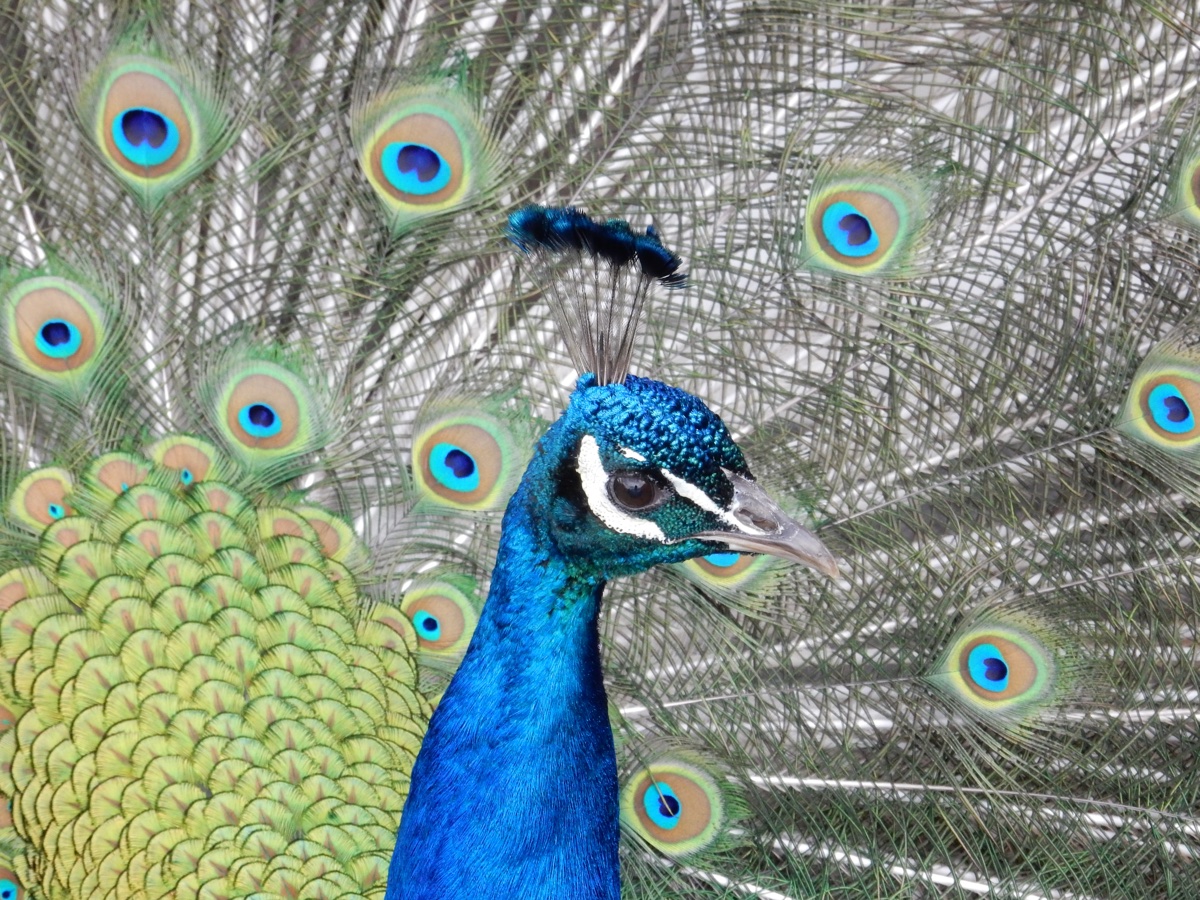
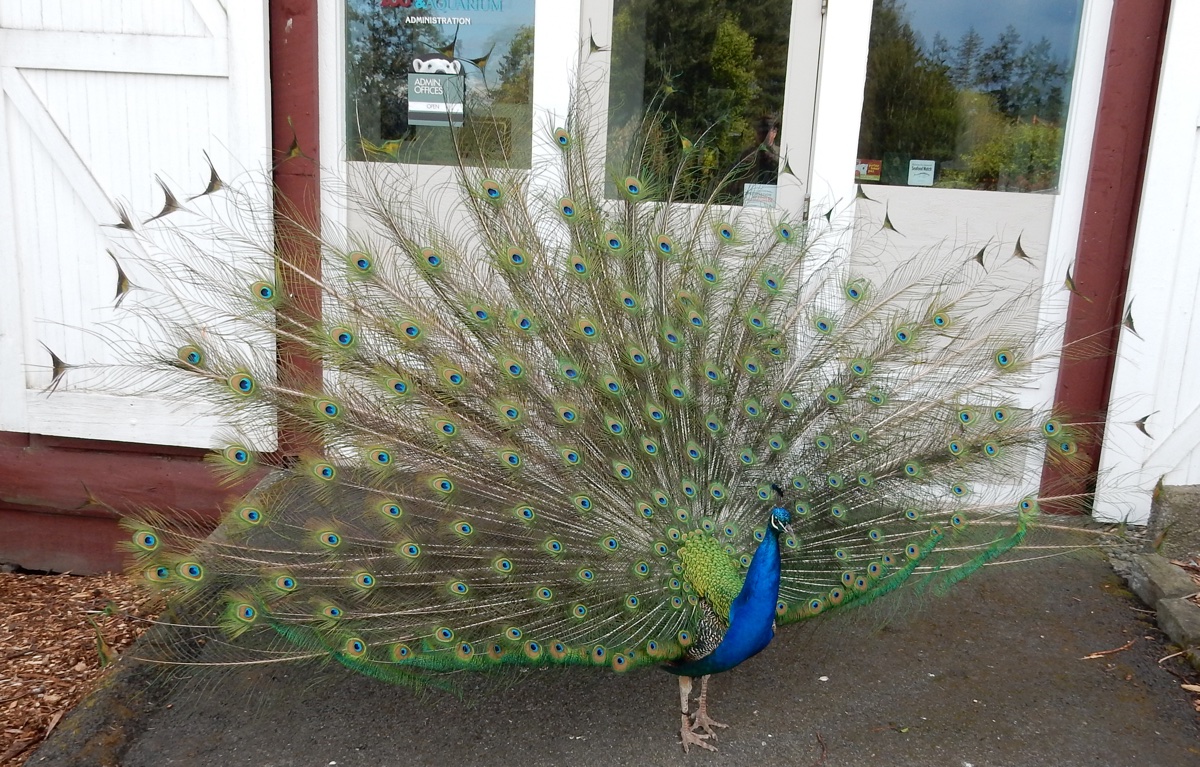
This proud guy was in full strut one afternoon when my husband dropped in at Point Defiance Zoo & Aquarium.

Peacock

His feathers appear rather thin and wispy. Is he sick? Or will his feathers fill out more as mating season advances?

3. Out of the Frying Pan…

We moved from St. Louis, MO—land of tornadoes, flash floods, and even the occasional earthquake—to Tacoma, WA—land of rain, the occasional earthquake, and the possibility of a volcanic eruption.

Version 2

Mysterious and majestic Mount Rainier, which I love so much and which you’ll see photographs of all over this blog (just look at the sidebar on the left), is an active volcano that, sooner or later, will blow its top.

I’ll have more to say about this in the next week or so. In the meantime, I choose to view this sign with some amusement rather than fear. But if the worst-case scenario comes to pass in the next 20–30 years, I’ll be very glad to have these directive signs about.

Pompeii: The Exhibition

The Roman city of Pompeii, on the western coast of Italy, was a thriving port in the first century. The region’s fertile soil made it a leading source of agricultural products, including grains, nuts, and fruits, particularly grapes that were made into wine. But life in this prosperous city came to an abrupt halt in 79 A.D., when Mount Vesuvius erupted and covered everything with 13 to 20 feet (4 to 6 meters) of pumice and ash.

Pompeii lay buried and forgotten until its rediscovery about 250 years ago. The artifacts found there were well preserved because of the lack of air and moisture. Archaeologists have carefully excavated the site and uncovered many artworks and objects that indicate what life was like for the residents of the city in the first century.

Selected artifacts from Pompeii comprise an exhibit that has toured the world. We caught the exhibit today, near the end of its run at the Pacific Science Center in Seattle, WA, the final stop on its current tour.

Terra Sigillata Cup
Terra Sigillata Cup

This terracotta cup was found in a house in Pompeii packed in a wooden crate with 89 similar pieces and 37 lamps. It indicated the high quality of North Italian ceramics manufactured from the end of the first century and throughout the second century A.D.

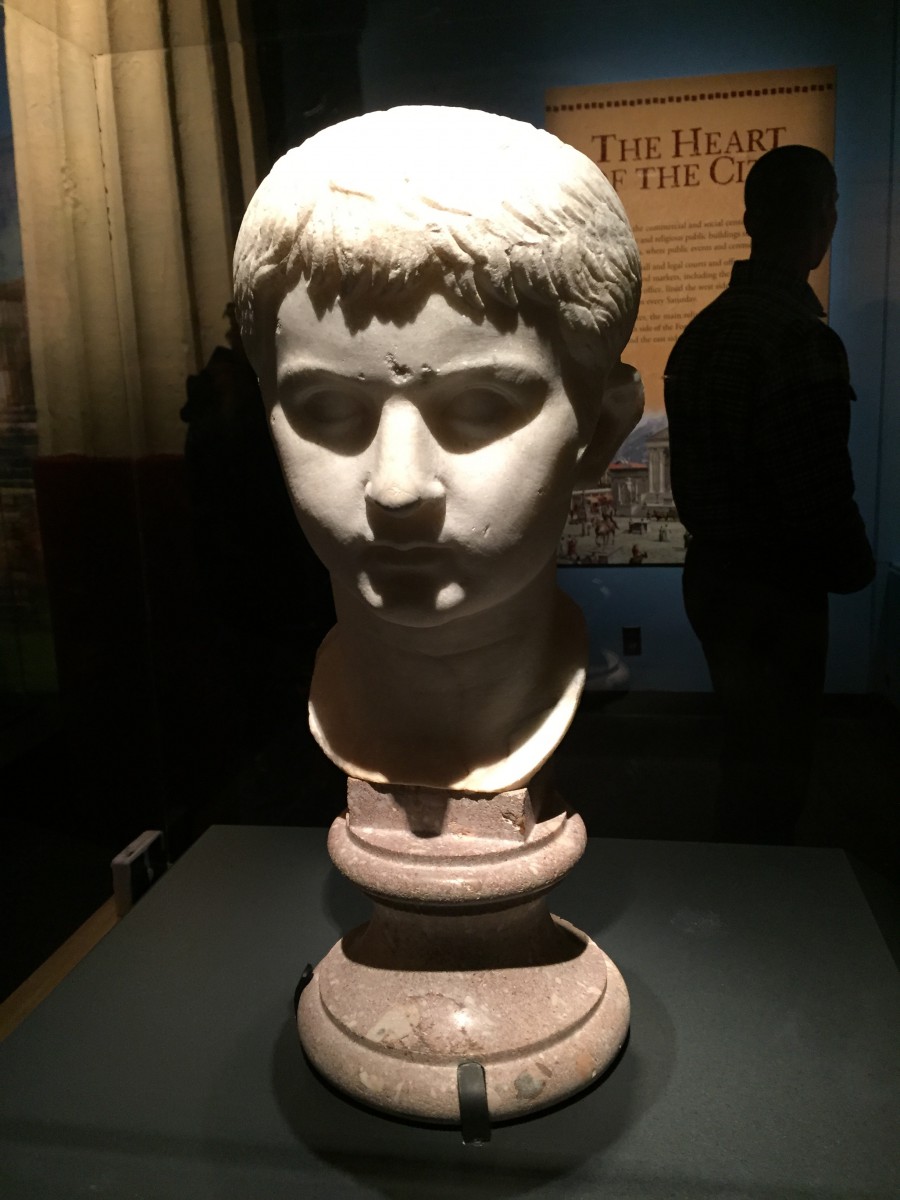
Gaius Caesar: Age 10


This bust is thought to represent the 10-year-old Gaius Caesar, grandson of the Emperor Augustus. It was found in Herculaneum, a city near Pompeii that was also destroyed by the eruption of Mount Vesuvius. The marble bust is thought to have been made between 63 B.C. and 14 A.D.


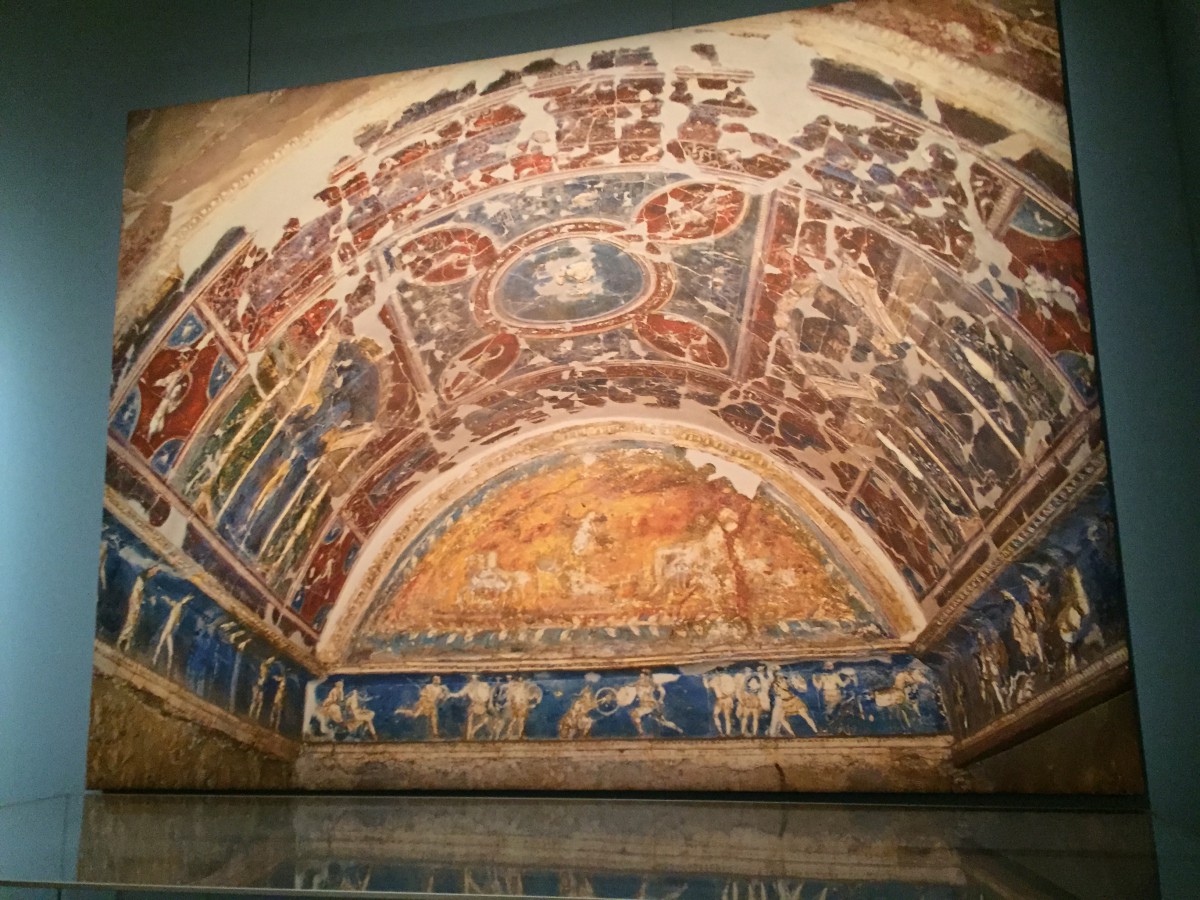
Pompeii was a vibrant, cosmopolitan city because of its trade-route location. By 79 A.D. many wealthy Roman citizens had holiday villas there furnished with artworks, such as statues and mosaics, and painted walls called frescoes:

fresco

a painting that is done on wet plaster

Source

Fresco: Roman Bath
Fresco: Roman Bath

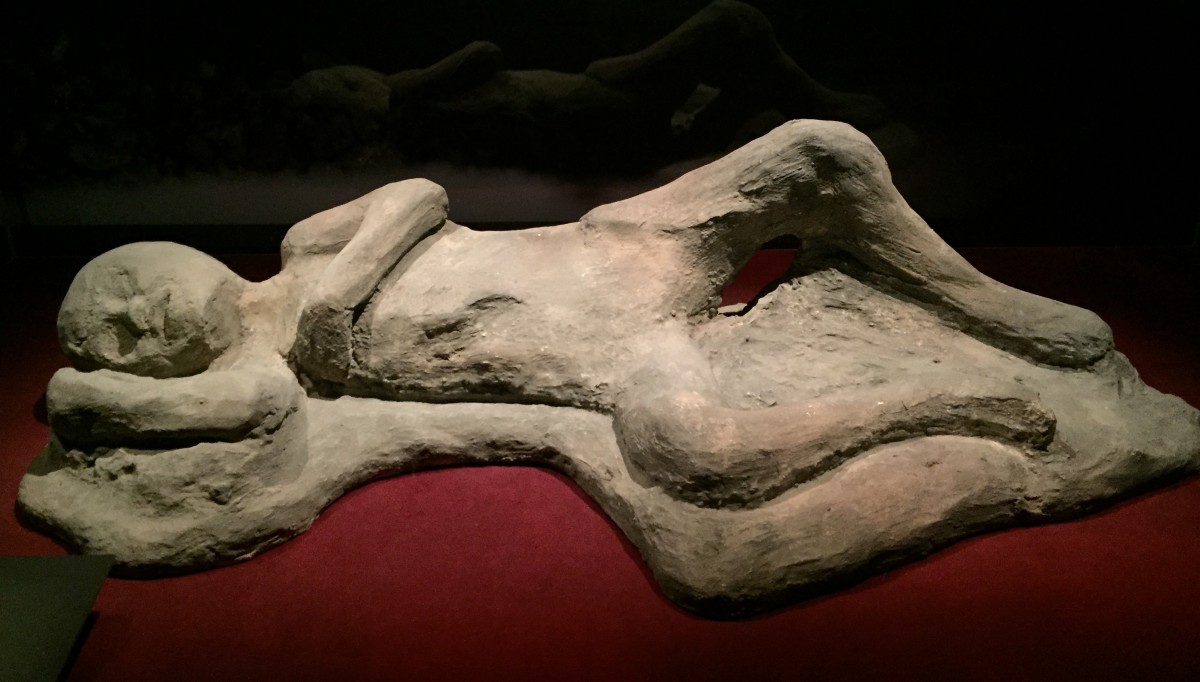
During the excavation of Pompeii, archaeologists used plaster to fill in the voids that had once held human bodies. These plaster casts reveal the exact positions people were in when they died.

Reclining body
Reclining body
Body of child
Body of child

I was a classics major in college and had read the surviving letter by Pliny the Younger, who witnessed the eruption of Vesuvius. In the letter he describes not only the eruption itself, but also the death of his uncle, Pliny the Elder, an admiral of the Roman fleet who died trying to rescue Pompeii’s citizens from the devastation. As much as I enjoyed seeing the many artifacts and artworks, the location of these body casts at the end of the exhibit reminded me of the sudden extinction of so many lives. (Estimates of the population of Pompeii at the time of the eruption range from 11,000 to 20,000).

I am glad to have had the opportunity to view this exhibition. It features not only human cultural achievement but also the massive power of the natural world.

What I’ve Learned from Writing 100+ Posts

WordPress informed me that yesterday’s post Retirement Lifestyle is my 100th post here on Retreading for Retirement.

I’ve been working on my two other blogs longer. I started Notes in the Margin, my literature blog, in November 2007, and it currently has 789 posts. Change of Perspective began in August 2007 and currently has 454 posts. So what I’ve learned about blogging over the years takes into account those two blogs as well, but here I’d like to focus on Retirement because it’s the blog that has most recently and directly resulted from my 2015 blog challenge.

There is some overlap of items here, but these are the biggest lessons I’ve learned.

  1. I learned how to use WordPress to create and maintain a blog.
  2. I learned how to combine text and photos to create illustrative graphics for my blog.
  3. I developed the discipline of writing every day.
  4. I became more aware of the world around me as I looked for topics to write about.
  5. I experimented with WordPress themes to find a design layout that I like because it appropriately features what I have to say.
  6. I am becoming more comfortable with using my own experiences as source material for posts.
  7. I learned to write poetry.
  8. I found that reading other blogs makes me a better, more informed writer on my own blog.
  9. Commenting on other blogs has introduced me to some interesting people and ideas.
  10. I took a couple of instructive classes through WordPress’s Blogging U. and learned even more when I attended the conference Press Publish in Portland, OR.
  11. Writing over a wide range of topics is helping me figure out what’s most important to me as a person and as a blogger.
  12. I’m reading a lot more web content (though many fewer books) than before.
  13. I’m beginning to experiment with different formats and approaches to writing.
  14. It IS possible to find something to write about every single day since I’ve started paying attention.
  15. I’ll continue to learn new lessons as I pursue post #200.

Thanks for reading.

I’d love to receive your comments.

Retirement Lifestyle

Mean Girls in the Retirement Home

Here’s a sad story indeed. Jennifer Weiner writes about her 97-year-old grandmother’s entry into an independent living facility. The mean girls at the facility wouldn’t let Weiner’s grandmother sit at their table in the dining room. They talked about playing bridge but told Weiner’s grandmother that they didn’t need any new players.

Weiner uses her grandmother’s experience to ponder the question of how typical or atypical this treatment is among residents of independent living centers. She cites a recent study by Karl Pillemer of Cornell University that found aggression among residents in nursing homes to be widespread:

According to the study’s news release, one in five residents was involved in at least one “negative and aggressive encounter” with another resident during a four-week period. Sixteen percent were cursed or yelled at; 6 percent were hit, kicked or bitten; 1 percent were victims of “sexual incidents, such as exposing one’s genitals, touching other residents, or attempting to gain sexual favors;” and 10.5 percent dealt with other residents’ entering their rooms uninvited, or rummaging through their belongings.

Weiner also points out that age discrimination is rampant: “Even in a residence for the elderly, the 80-somethings will still be cold to the 95-year-olds.” This discrimination leaves people like her grandmother, now 99 and without cognitive impairment, with no one to talk to. Such is the pain of having outlived almost all of one’s contemporaries.

An Unexpected Bingo Call: You Can’t Play

Here’s another story that even goes beyond the experiences of Jennifer Weiner’s grandmother. Paula Span describes what happened to Ann Clinton, who is 80 and has Parkinson’s disease, at Redstone Village in Huntsville, AL. Redstone is a type of facility known as a continuing care retirement community (CCRC). Such communities offer a full range of care, from independent living through assisted living and then skilled nursing care. Many CCRCs promote their range of care as a benefit for potential residents.

Ann Clinton and her husband began their retirement life in an independent living apartment at Redstone. Her husband moved through the assisted living and skilled nursing continuum and died last fall. Throughout her husband’s decline Ann Clinton found companionship and support at the weekly bingo game held in the independent living area of the building. But when she entered the Redstone nursing wing after back surgery, she was told she could no longer participate in the Monday night bingo game, even though she could easily ride her motorized scooter to the game.

And thus began the bingo wars at Redstone. My heart sank as I read how the conflict has escalated. Both Redstone administration and some independent-living residents want to keep Mrs. Clinton out.

Read how lawyers from AARP and the National Senior Citizens Law Center are attempting to fight such discrimination as a violation of both the federal Fair Housing Act and and the Americans With Disabilities Act.

Retirees Find Meaning Serving the Needs of Their Communities

Not all the news about retirement life is bad, though. This New York Times article describes how retired folks are volunteering to do “difficult and meaningful work” to give back to their communities:

According to the Corporation for National and Community Service, a government agency that runs the AmeriCorps and Senior Corps programs, some 24 percent of older adults volunteered in 2013, providing nearly 190 million hours of service. Despite the disruption of a recession six years ago, that rate has held fairly steady over the past decade.

Read here about three people who

personify what Mitch Anthony, a consultant, speaker and author of “The New Retirementality,” calls the “legacy or mission phase” of life. At this point, people may be less concerned with paying bills and more interested in paying back.

Over 50 and Back in College, Preparing for a New Career

And there’s more good news in another New York Times article:

For many, a retirement of babysitting grandchildren, golfing and relaxing on the beach is passé. Older people today approach work as a pillar of a retirement lifestyle, planning ahead and adding skills even before leaving their current jobs.

Colleges and universities are trying to figure out how to tap into this growing population of potential students. According to the United States Census Bureau, by 2030 the number of Americans age 65 and older will reach 72 million, up from 40.2 million in 2010.

A Merrill Lynch study conducted in partnership with Age Wave, a research firm that focuses on aging, found that nearly three of every five working retirees said retirement was an opportunity to shift to a different line of work.

For some of those seeking to change careers, retirement offers an opportunity to pursue a calling that wasn’t economically feasible earlier. Still others, forced into earlier-than-expected retirement by health concerns or layoffs, need to keep working for financial reasons.

Read here how many colleges and universities, including community colleges, are working to develop both degree and non-degree programs for older adult students. Especially encouraging is the news that state universities in California, Texas, and Pennsylvania offer tuition-free enrollment for older adultls.

My Late-Life Journey: Part 1

Today’s Daily Post from WordPress asks us to describe a journey, “whether a physical trip you took, or an emotional one.”

Here, then, is Part 1 of the late-life journey that lead me to where I am today.

Quite a few years ago I went through a difficult time when my two closest friends died of cancer just 10 months apart. I was shocked and numbed. These deaths coincided with my own entry into midlife—-a time when women characteristically begin to redefine themselves and their purpose in life. Many people say, at a time like this, that they’re looking for answers, but I wasn’t at that point yet: I began by looking for the questions I needed to ask. In my search I turned to the two activities that have always informed my life: reading and writing.

I’ve always read on a wide range of subjects, but in my emotional and spiritual disarray I cast my reading net even more widely than usual. I consumed books on philosophy, spirituality, psychology, and feminism. Each book lead to many others; synchronicity kicked it, as Jung promises it will, once I began to pay attention. Of all the books I read during this period, two were pivotal:

1. Carolyn Heilbrun’s Writing a Woman’s Life. Heilbrun asserts that throughout history anyone who wrote about women’s lives shaped the stories to conform to societal expectations of how women should be. She calls for new ways of writing women’s autobiography and biography: “For women who have awakened to new possibilities in middle age, or who were born into the current women’s movement and have escaped the usual rhythms of the once traditional female existence, the last third of life is likely to require new attitudes and new courage” (p. 124). As older women, Heilbrun says, “we should make use of our security, our seniority, to take risks, to make noise, to be courageous, to become unpopular” (p. 131).

2. Daniel Taylor’s Tell Me a Story: The Life-Shaping Power of Our Stories. Taylor stresses that we shape the stories we tell about ourselves, but those stories in turn shape who we are. Taylor’s most compelling point is that, if the story we’re living is broken, we can fix it by retelling it: “When we envision our lives differently, we are capable of being different” (p. 127). This ability applies not only to individuals but to whole societies as well.

My reading lead me to explore narrative psychology, narrative therapy, and the narrative study of lives movement.

writingAnd through all this exploration, I wrote: pages and pages of journal entries, unsent letters to my dead friends, real letters gratefully acknowledging my living friends, fist-shaking diatribes hurled at The Universe, contemplative musings, questions—-and, finally, some tentative answers—-addressed to myself. For me, writing has always been a crucial part of the learning process. Ideas arrive in large format; writing—-the process of putting those ideas into words and making the words fit together—-is the way I refine ideas, and clarify and discover meaning. Along with reading, writing is a necessary component of thinking.

In a prime example of synchronicity, during this period I discovered Story Circle Network, an organization headquartered in Austin, Texas, that focuses on encouraging and enabling women to write the stories of their lives. Shortly thereafter I attended a Story Circle Network weekend retreat with about 30 other women. As we all read, wrote, and talked together, many women experienced emotional breakthroughs and were able to write and talk about aspects of their lives that they had never revealed to anyone before. That retreat was an epiphany for me, and during my two-day drive home I came to realize that everything I had been reading fit together and that I had finally discovered the purpose I’d been searching for.

That five-year journey was an intellectually and spiritually rejuvenating time for me. It caused me to apply to the doctoral program in humanistic psychology offered by Saybrook University, which back then was known as Saybrook Graduate School and Research Center. I planned my instructional program to learn how to work with people, particularly women, in using writing as a means of telling their life stories, either as a record for posterity or as a means of self-discovery and personal growth.

And the journey continues…
Three Things Thursday

Once again it’s time for the blog challenge Three Things Thursday, the purpose of which is to “share three things from the previous week that made you smile or laugh or appreciate the awesome of your life.”

1. Little Free Library

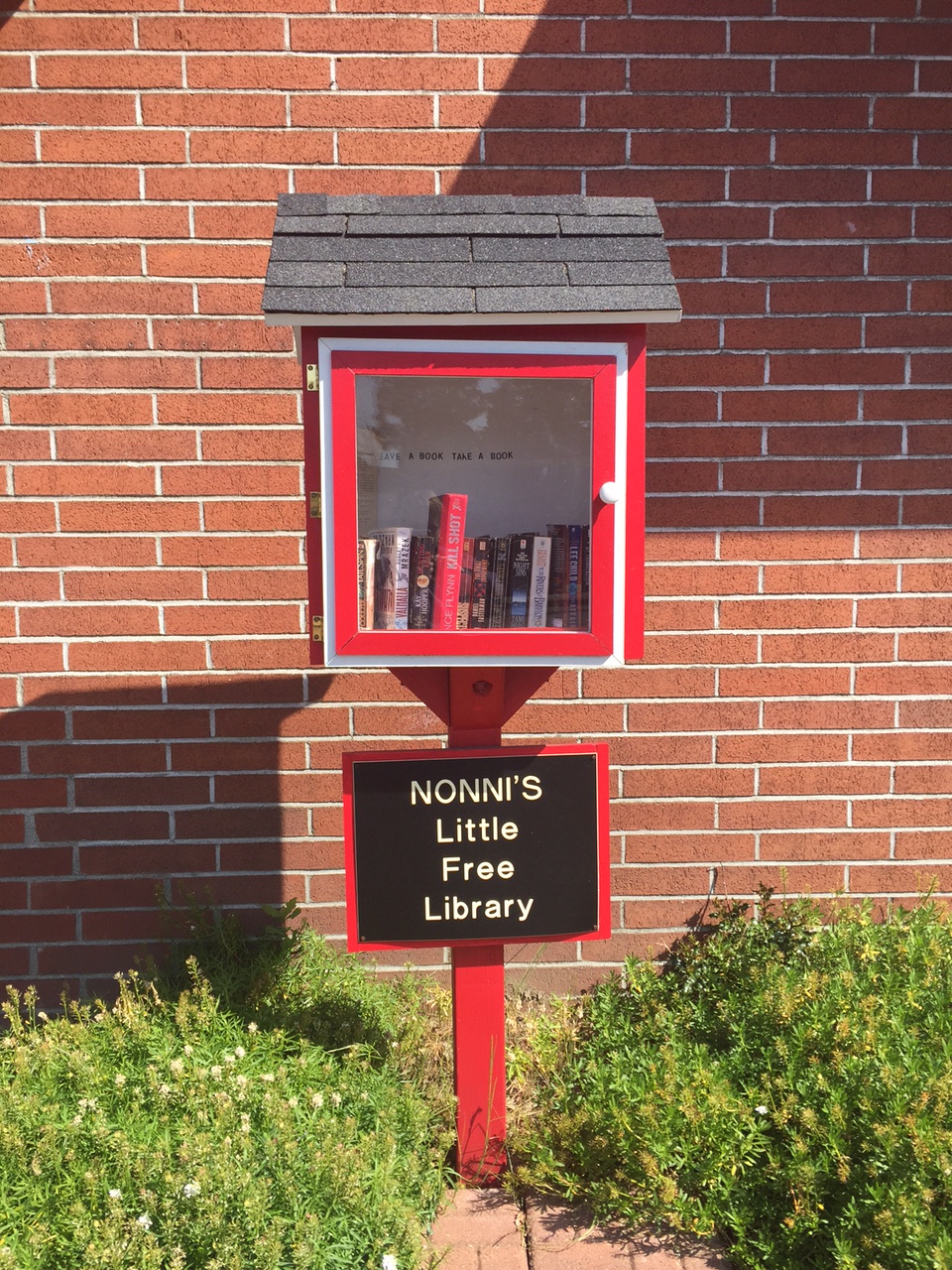
I had heard about and seen photos of little free libraries on Facebook and other social media and news sites, but I had never seen one in the wild until last Saturday.

little free library

This little gem is outside an insurance company office in Puyallup, WA.

The Little Free Library movement was started in Wisconsin by Todd Bol and Rick Brooks in 2009. Its mission is two-fold:

  • To promote literacy and the love of reading by building free book exchanges worldwide.
  • To build a sense of community as we share skills, creativity and wisdom across generations.

Its goal is “To build 2,510 Little Free Libraries—as many as Andrew Carnegie.”

This goal was reached in August of 2012, a year and a half before our original target date. By January of 2015, the total number of registered Little Free Libraries in the world was conservatively estimated to be nearly 25,000, with thousands more being built.

The philosophy behind little free libraries is “Take a book. Return a book.” In other words, for every book you take, you should put one book back. The aim of the process is to promote not only general literacy, but also neighborhood community. These libraries are run on the honor system by community members, for each other.

Check the Little Free Library web site for information on how to establish and maintain one in your neighborhood.

2. West Coastin’

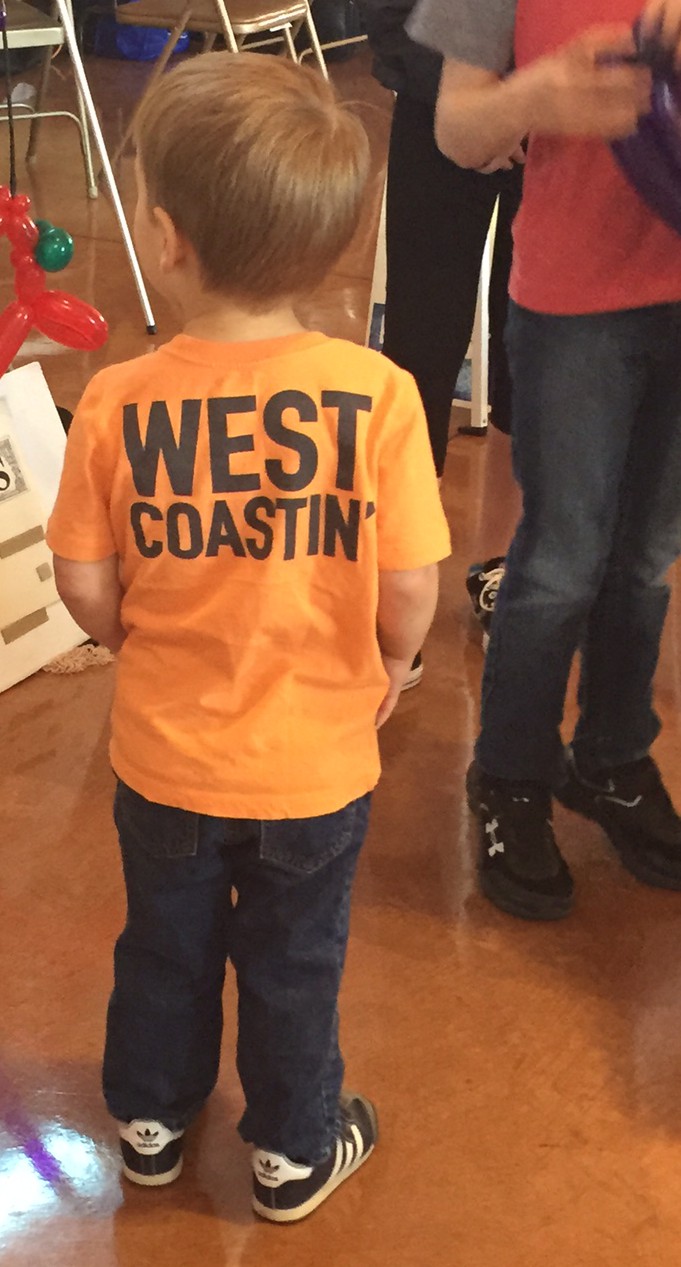
Since retiring from St. Louis, MO, to Tacoma, WA, my husband and I have been enjoying what we think of as West Coasting. So I was delighted to see a little guy wearing this T-shirt:

"West Coastin'" shirt

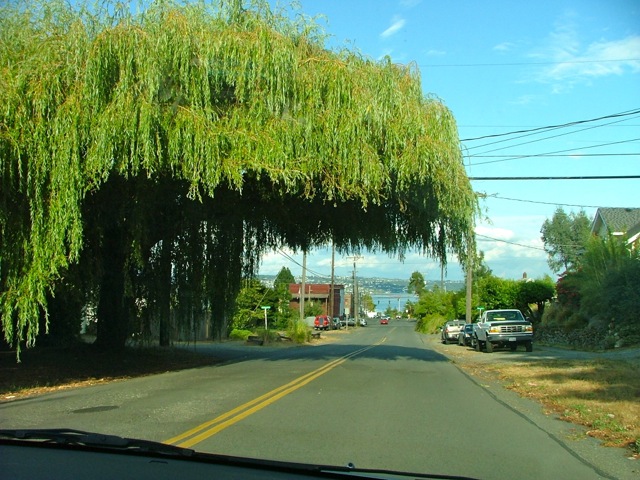
3. Easy Passage

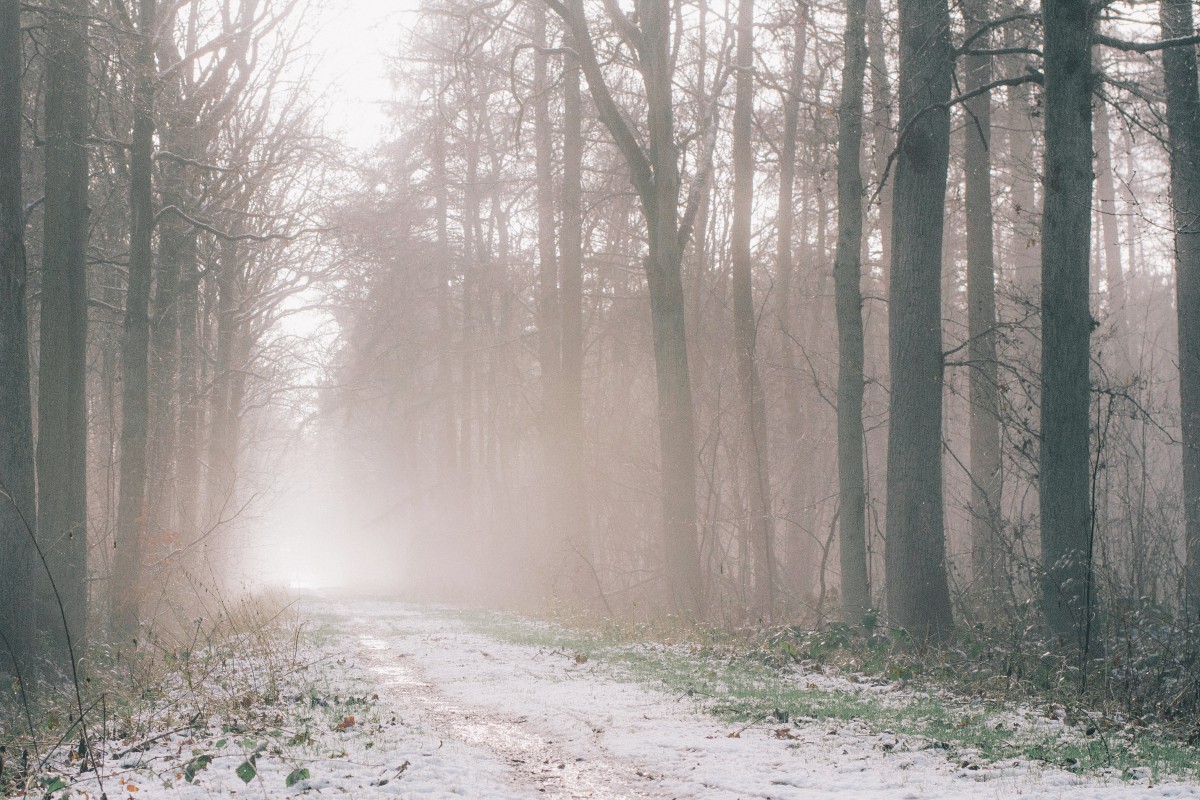
We took this photo from our car on a 2009 visit to Tacoma. The tree was on a road leading to the Point Defiance Zoo & Aquarium.

willow tree trimmed over street
Photographed in 2009

We ended up living just around the corner from this tree. When I arrived at my new home in April 2013, I was disappointed not to see this tree. Sometimes on our walks we stand near its stump and fondly remember how much it amused us when we first spotted it.